How Glycine Boosts Collagen Peptides for Radiant Skin
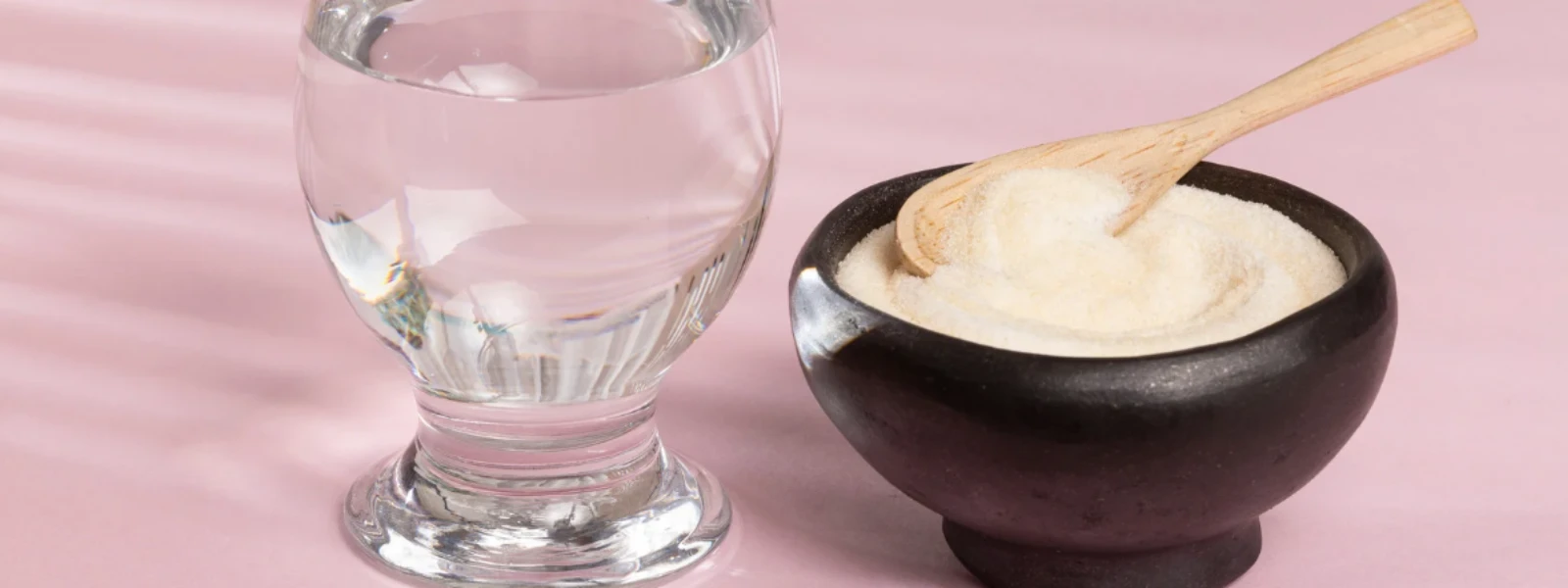


Your skin's radiance depends on more than just topical treatments. Deep within your skin cells, a remarkable amino acid called glycine works tirelessly to support collagen synthesis and maintain your skin's youthful appearance. Understanding how glycine in collagen peptides functions can transform your approach to skin health and help you make informed decisions about supplementation.
This comprehensive guide explores the science behind glycine's role in collagen production, its specific benefits for skin health, and how to optimize your supplementation strategy for maximum results. You'll discover why glycine is considered the cornerstone amino acid for skin elasticity and learn practical ways to incorporate it into your daily routine.
Glycine stands as the most abundant amino acid in collagen, comprising approximately 33% of all amino acids in collagen fibers. This small but mighty amino acid serves as the fundamental building block that determines collagen's unique triple-helix structure. Without adequate glycine, your body cannot produce the strong, flexible collagen that keeps your skin firm and elastic.
The molecular process of collagen synthesis begins when glycine combines with proline and hydroxyproline to form collagen's characteristic structure. Research published in the Journal of Clinical Medicine demonstrates that glycine availability directly influences the rate and quality of collagen production in skin cells. When glycine levels are optimal, fibroblasts can efficiently produce new collagen fibers that replace damaged ones.
Studies show that glycine and collagen synthesis work together through a complex biochemical pathway. Glycine provides the necessary framework for collagen molecules to align properly, ensuring maximum strength and flexibility. This process becomes increasingly important as we age, since natural collagen production decreases by approximately 1% per year after age 25.
Beyond its structural role, glycine acts as a cellular protector. It helps neutralize harmful free radicals that can damage existing collagen and supports the cellular energy production needed for ongoing skin repair. This dual function makes glycine particularly valuable for maintaining healthy skin throughout the aging process.
The glycine benefits for skin extend far beyond simple collagen production. This versatile amino acid supports multiple pathways that contribute to skin health and appearance. Research indicates that adequate glycine levels can improve skin elasticity by up to 20% within 8-12 weeks of consistent supplementation.
One of glycine's most significant contributions involves wound healing and skin repair processes. Studies published in Nutrients journal show that glycine accelerates the healing of minor skin damage and supports the formation of healthy scar tissue. This property makes it particularly beneficial for individuals dealing with acne scars or other skin imperfections.
Glycine also demonstrates powerful anti-inflammatory properties that benefit sensitive or reactive skin. As one of the key amino acids for skin health, glycine helps regulate inflammatory responses that can lead to premature aging and skin damage. This anti-inflammatory action works synergistically with its collagen-supporting properties to promote overall skin wellness.
Did You Know?
Glycine is the only amino acid that can fit in the tight spaces of collagen's triple-helix structure. This unique size advantage makes it irreplaceable in collagen formation, explaining why glycine deficiency directly impacts skin quality and appearance.
Research reveals that glycine plays a crucial role in maintaining skin hydration levels. It supports the production of natural moisturizing factors and helps strengthen the skin barrier function. This dual action results in plumper, more hydrated skin that appears younger and more radiant.
Collagen peptides benefits become most apparent when considering bioavailability and absorption rates. Hydrolyzed collagen peptides offer superior absorption compared to whole collagen proteins, with studies showing absorption rates of up to 95% within 12 hours of consumption.
The molecular weight of collagen peptides significantly affects their effectiveness for skin health. Research indicates that peptides with molecular weights between 2,000-5,000 Daltons provide optimal skin benefits. These smaller peptides can more easily cross the intestinal barrier and reach skin cells where they stimulate collagen synthesis.
Collagen peptides for skin work through multiple mechanisms beyond simple amino acid provision. When you consume high-quality collagen peptides rich in glycine, these peptides act as signaling molecules that trigger your skin cells to increase their own collagen production. This process, known as collagen synthesis stimulation, can continue for hours after consumption.
Clinical trials demonstrate that marine collagen peptides, which contain high concentrations of glycine, show superior results for skin elasticity and hydration compared to other collagen sources. The unique amino acid profile of marine collagen more closely matches human skin collagen, making it particularly effective for cosmetic applications.
Effective glycine supplementation requires understanding optimal dosages, timing, and combination strategies. Research suggests that 2.5-15 grams of collagen peptides daily provides sufficient glycine for skin health benefits. This range accounts for individual variations in metabolism and absorption efficiency.
Timing plays a crucial role in maximizing glycine's skin benefits. Studies indicate that consuming collagen peptides on an empty stomach, particularly in the morning or before bedtime, enhances absorption rates. The fasting state allows for more efficient peptide uptake without competition from other proteins.
Combining glycine-rich collagen with Vitamin C significantly enhances collagen synthesis. Vitamin C serves as a cofactor in collagen production, making it an essential partner for glycine supplementation. Research shows that this combination can increase collagen synthesis rates by up to 40% compared to glycine alone.
When selecting skin health supplements containing glycine, look for third-party tested products with verified amino acid profiles. High-quality supplements should provide detailed information about glycine content and peptide molecular weights. Clean label certification ensures freedom from harmful additives that could interfere with absorption or cause adverse reactions.
Incorporating glycine into your anti-aging supplements routine requires a strategic approach that considers your overall health goals and existing supplement regimen. Glycine works synergistically with other nutrients to support skin elasticity and overall skin health.
The most effective anti-aging routines combine glycine-rich collagen with antioxidants like Vitamin E and selenium. These nutrients protect newly formed collagen from oxidative damage while supporting the cellular processes that maintain skin health. Research shows that this comprehensive approach produces more dramatic and lasting results than single-nutrient supplementation.
Age-specific considerations become important when planning glycine supplementation. Individuals under 30 may benefit from lower doses focused on prevention, while those over 40 typically require higher doses to address declining natural collagen production. Consulting with healthcare providers helps determine the most appropriate supplementation strategy for your specific needs.
Maximizing glycine's benefits requires supporting lifestyle factors. Regular exercise stimulates collagen synthesis, while adequate sleep provides the recovery time necessary for skin repair. Combining glycine supplementation with these healthy habits amplifies its anti-aging effects and promotes overall wellness.
Most people notice improvements in skin texture and hydration within 4-6 weeks of consistent glycine supplementation. Significant changes in skin elasticity and fine lines typically become apparent after 8-12 weeks of regular use. Individual results may vary based on age, overall health, and supplementation consistency.
While foods like bone broth, gelatin, and certain meats contain glycine, achieving therapeutic levels for skin benefits typically requires supplementation. The average diet provides only 1.5-3 grams of glycine daily, while skin health benefits require 5-15 grams. Supplementation ensures consistent, adequate intake for optimal results.
Glycine is generally well-tolerated with minimal side effects. Some individuals may experience mild gastrointestinal discomfort when starting supplementation, which typically resolves within a few days. Starting with lower doses and gradually increasing can minimize any digestive issues. People with kidney disease should consult healthcare providers before supplementing.
Research suggests taking glycine-rich collagen supplements on an empty stomach maximizes absorption. However, if you experience stomach discomfort, taking supplements with a small amount of food is acceptable. Avoid taking collagen with large protein meals, as this can reduce absorption efficiency.
Glycine supplementation works from within to support skin health but should complement, not replace, a good topical skincare routine. The combination of internal collagen support through glycine and external skin protection through quality skincare products provides the most comprehensive approach to maintaining healthy, radiant skin.
Glycine in collagen peptides represents a scientifically-backed approach to supporting skin health from within. This essential amino acid works through multiple pathways to enhance collagen synthesis, improve skin elasticity, and promote overall skin wellness. Understanding how to properly supplement with glycine-rich collagen peptides can significantly impact your skin's appearance and health over time. The key lies in choosing high-quality supplements, following appropriate dosing guidelines, and maintaining consistency in your supplementation routine. As research continues to unveil glycine's remarkable benefits for skin health, incorporating this powerful amino acid into your wellness routine offers a natural, effective way to support radiant, youthful-looking skin throughout the aging process.


Someone sent you
Powered by ReferRush


