How to Boost Iron and Calcium: Complete Guide
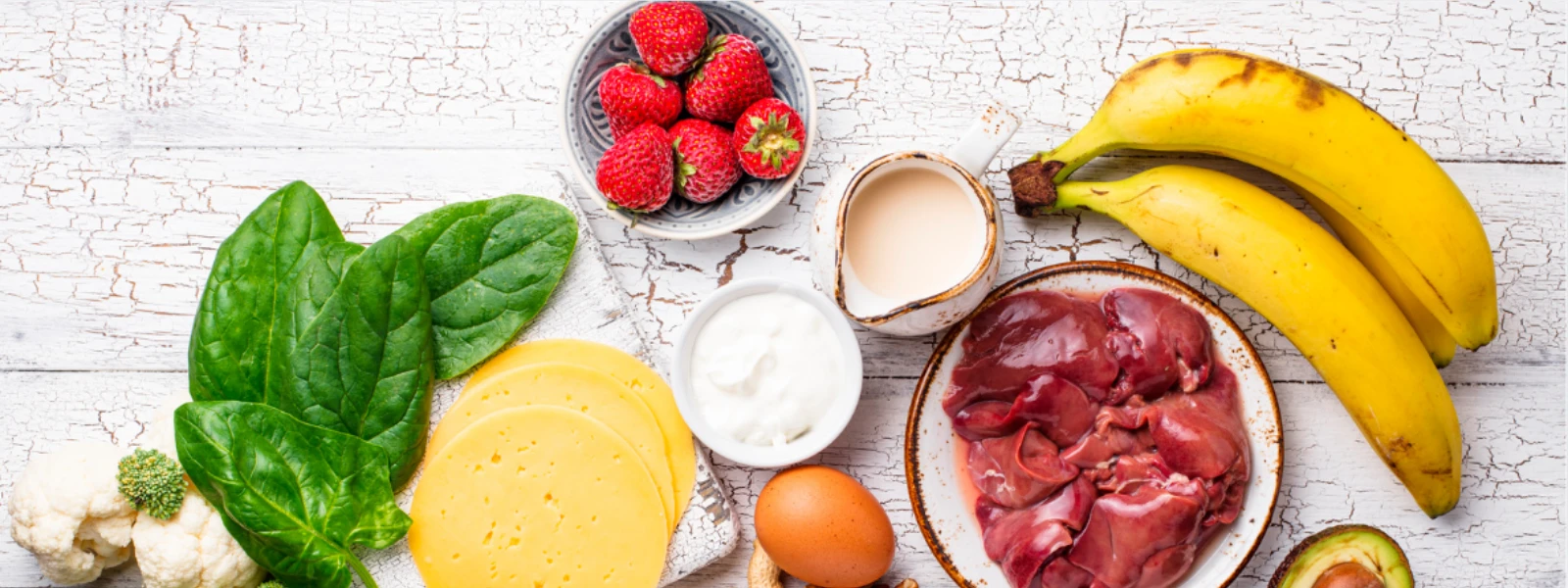


Iron and calcium deficiencies affect millions of people worldwide, yet these essential minerals are often overlooked in daily nutrition planning. While iron carries oxygen through your bloodstream and supports energy production, calcium builds strong bones and enables proper muscle function. Understanding how to incorporate iron and calcium rich foods into your diet can transform your health, boost your energy levels, and even improve your skin's appearance.
This comprehensive guide will walk you through the best food sources for both minerals, reveal the science behind optimal absorption, and provide practical strategies to prevent deficiencies. You'll discover which foods pack the biggest nutritional punch, how to combine them for maximum benefit, and why timing matters when it comes to mineral absorption.
Iron serves as your body's oxygen delivery system. This vital mineral forms the core of hemoglobin, the protein in red blood cells that transports oxygen from your lungs to every tissue in your body. Without adequate iron, your cells struggle to receive the oxygen they need for energy production, leading to fatigue, weakness, and poor concentration.
Iron deficiency affects approximately 25% of the global population, making it the most common nutritional deficiency worldwide. Early signs include unusual fatigue, pale skin, brittle nails, and strange cravings for non-food items like ice or starch. More severe deficiency can lead to iron-deficiency anemia, characterized by shortness of breath, rapid heartbeat, and difficulty maintaining body temperature.
Calcium plays equally important roles in your body's daily functions. Beyond building and maintaining strong bones and teeth, calcium enables muscle contractions, supports nerve transmission, and helps blood clot properly. Your heart relies on calcium to maintain its steady rhythm, while your muscles need it to contract and relax efficiently.
Calcium deficiency often develops silently over years. Your body maintains blood calcium levels by drawing from bone stores when dietary intake falls short. This process can weaken bones over time, increasing fracture risk. Early symptoms may include muscle cramps, numbness in fingers and toes, and abnormal heart rhythms.
Adults need 18 milligrams of iron daily for men and 18 milligrams for women of childbearing age. Calcium requirements are higher, with adults needing 1,000-1,200 milligrams daily depending on age and gender. These minerals also support skin health by promoting proper cell function and collagen synthesis.
Your body absorbs two types of iron differently. Heme iron, found in animal products, absorbs more easily than non-heme iron from plant sources. Understanding this difference helps you make informed choices about iron rich foods and plan meals that maximize absorption.
Red meat provides some of the highest concentrations of easily absorbed iron. A 3.5-ounce serving of lean beef contains approximately 2.6 milligrams of iron. Chicken liver tops the list with an impressive 11 milligrams per serving, though organ meats aren't everyone's preference.
Fish offers excellent iron content with additional health benefits. Sardines provide 2.9 milligrams per 3.5-ounce serving, while canned tuna delivers 1.3 milligrams. Salmon contains about 0.8 milligrams per serving, making it a moderate but consistent iron source.
Legumes rank among the best sources of iron in plant-based diets. One cup of cooked lentils provides 6.6 milligrams of iron, nearly half the daily requirement for men. Chickpeas offer 4.7 milligrams per cup, while kidney beans contribute 3.9 milligrams.
Dark leafy greens pack impressive iron content relative to their calorie count. One cup of cooked spinach contains 6.4 milligrams of iron, though the body absorbs only a small percentage due to naturally occurring compounds that inhibit absorption. Kale provides 1.1 milligrams per cup when cooked.
Seeds and nuts offer concentrated iron in small packages. Pumpkin seeds lead with 4.2 milligrams per ounce, while sesame seeds provide 1.3 milligrams. These make excellent snacks or salad toppings for boosting iron intake.
Did You Know?
Cooking in cast iron cookware can increase the iron content of your food, especially acidic foods like tomato sauce. This traditional cooking method can add 1-5 milligrams of iron per serving, depending on the food and cooking time.
Dairy products traditionally dominate discussions about calcium rich foods, but numerous non-dairy options provide substantial amounts of this essential mineral. Understanding the full spectrum of calcium sources helps you meet daily requirements regardless of dietary preferences or restrictions.
Milk remains one of the most efficient calcium sources, providing 300 milligrams per 8-ounce glass. Greek yogurt offers even higher concentrations, with some varieties containing up to 400 milligrams per cup. Hard cheeses like parmesan pack calcium into smaller servings, delivering 330 milligrams per ounce.
Canned fish with soft, edible bones provides exceptional calcium content. Sardines with bones contain 325 milligrams per 3.5-ounce serving, while canned salmon with bones offers 240 milligrams. These convenient options also provide protein and healthy omega-3 fatty acids.
Several vegetables provide highly absorbable calcium. Collard greens lead with 268 milligrams per cooked cup, followed by kale with 179 milligrams. Broccoli offers 62 milligrams per cup, and your body absorbs this calcium more efficiently than calcium from spinach.
Calcium-set tofu varies widely in calcium content depending on processing methods. Firm tofu prepared with calcium sulfate can contain 200-400 milligrams per half-cup serving, making it an excellent option for plant-based diets.
Simply eating iron absorption foods and calcium absorption foods isn't enough. Your body's ability to absorb these minerals depends on various factors, including what you eat them with and when you consume them.
Vitamin C dramatically improves non-heme iron absorption. Pairing iron-rich plant foods with Vitamin C sources can increase absorption by up to 300%. Try combining lentils with bell peppers, spinach with citrus fruits, or fortified cereals with strawberries.
Meat, poultry, and fish contain compounds that enhance iron absorption from plant sources when eaten together. This "meat factor" makes mixed meals more effective for iron uptake than purely plant-based meals.
Your body absorbs calcium most efficiently in doses of 500 milligrams or less. Spreading calcium intake throughout the day improves overall absorption compared to consuming large amounts at once.
Vitamin D significantly enhances calcium absorption in the intestines. Foods naturally rich in Vitamin D include fatty fish, egg yolks, and fortified dairy products. Many people benefit from moderate sun exposure or Vitamin D supplementation to support calcium absorption.
Iron and calcium compete for absorption when consumed together. Large amounts of calcium can reduce iron absorption by up to 60%. Consider spacing iron-rich meals and calcium supplements by at least two hours when possible.
Coffee and tea contain compounds called tannins that inhibit iron absorption. Wait at least one hour after eating iron-rich foods before drinking these beverages, or enjoy them between meals rather than with food.
The relationship between iron and skin health extends beyond basic nutrition. Iron deficiency can manifest in various skin problems, including pale complexion, slow wound healing, and increased susceptibility to infections. Adequate iron levels support healthy blood flow to skin tissues, promoting a natural glow and efficient healing processes.
Iron plays a crucial role in collagen synthesis, the protein that maintains skin structure and elasticity. Without sufficient iron, your body struggles to produce quality collagen, potentially leading to premature aging signs like fine lines and reduced skin firmness.
Calcium and skin health connect through the mineral's role in skin cell regeneration and barrier function. Calcium helps regulate skin cell turnover, ensuring dead cells shed properly while new cells develop. This process maintains smooth, healthy-looking skin and supports the skin's natural protective barrier.
Calcium also influences skin hydration by supporting the production of natural moisturizing factors. These compounds help skin retain water, preventing dryness and maintaining suppleness. Additionally, calcium supports wound healing by enabling proper blood clotting and tissue repair.
Creating meals that provide both minerals requires strategic planning. Since iron and calcium can interfere with each other's absorption, focus on getting adequate amounts throughout the day rather than maximizing both in single meals.
Breakfast might emphasize iron-rich foods like fortified cereals with Vitamin C-rich fruits. A mid-morning snack could feature calcium sources like yogurt or almonds. Lunch can include iron-rich legumes or lean meat with vegetables, while dinner incorporates calcium-rich leafy greens or dairy products.
Plant-based eaters need particular attention to iron absorption enhancers. Combining beans with tomatoes, adding citrus to salads with dark greens, or including bell peppers in stir-fries with tofu can significantly improve iron uptake from plant sources.
Consider seasonal variations in your meal planning. Summer offers abundant Vitamin C-rich fruits that enhance iron absorption, while winter vegetables like kale and collard greens provide excellent calcium sources when fresh produce options are limited.
While your body can absorb both minerals from the same meal, large amounts of calcium can reduce iron absorption. For optimal absorption, try to space high-calcium foods and iron-rich foods by a couple of hours when possible, or focus on moderate amounts of both rather than trying to maximize either mineral in a single meal.
Sesame seeds and tahini provide both minerals, offering about 1.3 milligrams of iron and 64 milligrams of calcium per ounce. Dark leafy greens like kale contain both minerals, though iron absorption from these sources is limited. Fortified plant milks often contain added iron and calcium, making them convenient options for plant-based diets.
Iron deficiency correction through diet typically takes 3-6 months of consistent intake of iron-rich foods, depending on the severity of deficiency and individual absorption rates. Calcium deficiency correction can take longer, often 6-12 months, since the body prioritizes maintaining blood calcium levels over building bone stores. Severe deficiencies may require medical supervision and supplementation alongside dietary changes.
Cooking methods can significantly impact mineral content. Steaming and sautéing preserve more minerals than boiling, which can leach water-soluble nutrients. Cooking acidic foods in cast iron cookware can increase iron content. For calcium, cooking doesn't significantly reduce content, and some cooking methods like steaming can make calcium more bioavailable by breaking down plant cell walls.
Few foods naturally contain high amounts of both minerals. Sardines with bones provide moderate amounts of both, offering about 2.9 milligrams of iron and 325 milligrams of calcium per serving. Some fortified foods like certain breakfast cereals or plant milks contain added amounts of both minerals, making them convenient options for meeting daily requirements.
Incorporating adequate amounts of iron and calcium into your daily diet doesn't require complicated meal planning or expensive supplements. By understanding which foods provide the highest concentrations of these essential minerals and how to optimize their absorption, you can support your body's fundamental processes while promoting healthy skin and overall vitality. Focus on variety, timing, and smart food combinations to maximize the benefits of iron and calcium rich foods. Remember that consistency matters more than perfection, and small daily choices can lead to significant improvements in your energy levels, bone health, and skin appearance over time.




Someone sent you
Powered by ReferRush


