How to Boost Skin Health with Beetroot Vitamin B12
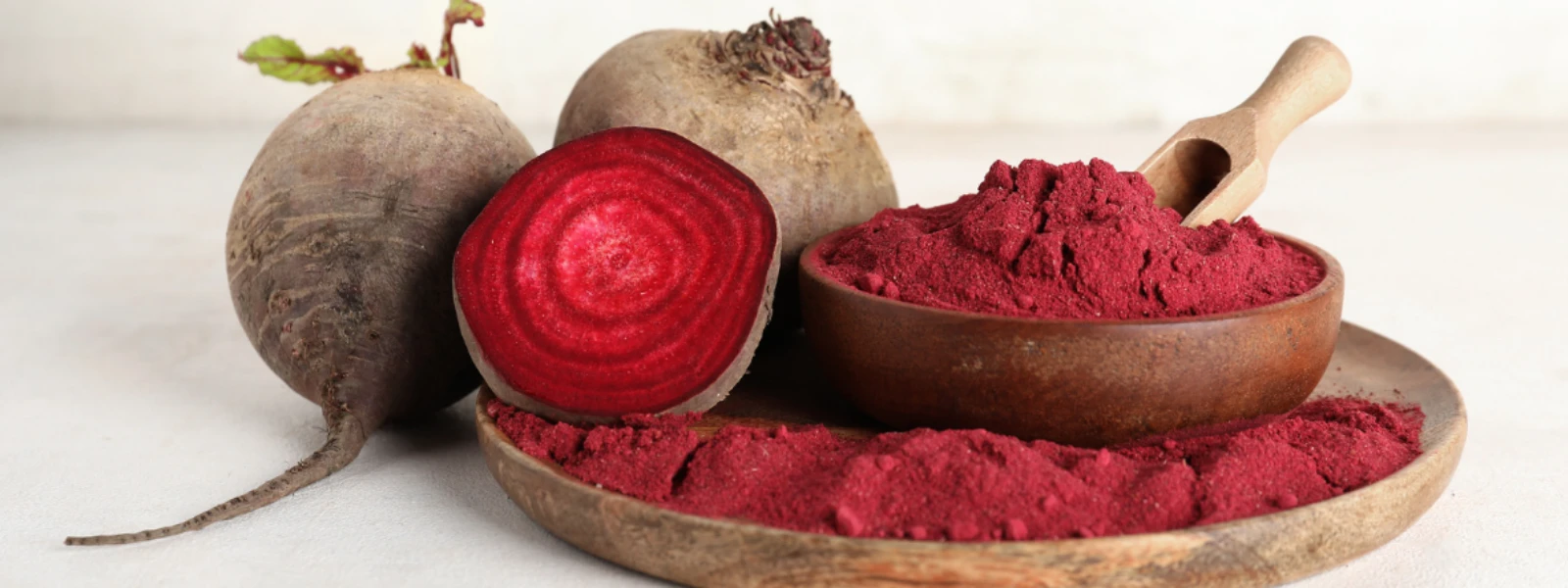


While many people search for beetroot vitamin B12 benefITS for skin health, it's important to set the record straight: beetroot doesn't actually contain significant amounts of Vitamin B12. However, this vibrant root vegetable offers a treasure trove of other nutrients that can dramatically transform your skin health. From powerful antioxidants to essential minerals, beetroot's true strength lies in its comprehensive nutritional profile that supports natural skin radiance, hydration, and protection.
Understanding what beetroot actually contains helps us appreciate its genuine skin benefits. This ruby-red vegetable is packed with folate, nitrates, antioxidants, and minerals that work together to nourish your skin from within. Rather than chasing myths about Vitamin B12, let's explore how beetroot's real nutrients can give you the glowing, healthy skin you've been seeking.
When it comes to beetroot skin benefits, the magic lies in its impressive array of skin-supporting nutrients. While beetroot may not contain Vitamin B12, it's incredibly rich in folate (Vitamin B9), which plays a crucial role in skin cell regeneration and DNA repair.
Folate, abundant in beetroot, supports the rapid turnover of skin cells. This B-vitamin helps your body produce new, healthy skin cells while repairing damaged ones. When your skin cells regenerate efficiently, you notice improved texture, reduced appearance of fine lines, and a more youthful complexion.
The deep red color of beetroot comes from powerful compounds called betalains. These beetroot antioxidants provide exceptional protection against free radical damage, which is one of the primary causes of premature skin aging. Betalains work alongside other antioxidants like Vitamin C and polyphenols to create a comprehensive defense system for your skin.
Beetroot contains important minerals that contribute to beetroot skin nourishment. Iron supports healthy blood circulation, ensuring your skin receives adequate oxygen and nutrients. Potassium helps maintain proper hydration levels in skin cells, while manganese supports collagen production for skin elasticity.
Did You Know?
One cup of beetroot provides about 34% of your daily folate needs and contains nitrates that can improve blood flow to the skin, enhancing natural radiance and promoting a healthy glow.
The journey to understanding beetroot for skin health reveals multiple pathways through which this vegetable benefits your complexion. Each nutrient works synergistically to address different aspects of skin wellness.
The nitrates in beetroot convert to nitric oxide in your body, which improves blood circulation. Better circulation means more oxygen and nutrients reach your skin cells, resulting in natural beetroot skin radiance. This improved blood flow gives your skin a healthy, vibrant appearance from within.
Proper beetroot skin hydration comes from the vegetable's high water content and potassium levels. Potassium helps regulate fluid balance in your cells, ensuring your skin maintains optimal moisture levels. This natural hydration support helps prevent dryness and maintains skin suppleness.
Beetroot skin rejuvenation occurs through multiple mechanisms. The antioxidants protect against environmental damage, while folate supports cellular repair and regeneration. The combination of these effects helps reduce signs of aging and promotes a more youthful appearance.
The beetroot skin glow many people notice comes from improved circulation, antioxidant protection, and enhanced cellular function. When your skin cells are well-nourished and protected from damage, they naturally reflect light better, creating that coveted healthy glow.
Understanding how beetroot provides beetroot skin protection helps you appreciate its long-term benefits for maintaining healthy, youthful skin.
The betalains in beetroot are particularly effective at neutralizing free radicals that can damage skin cells. This protection helps prevent premature aging, including fine lines, wrinkles, and age spots. Regular consumption of beetroot can help build your skin's natural defense system against environmental stressors.
While beetroot doesn't directly contain collagen, it provides nutrients that support your body's natural collagen synthesis. Vitamin C and manganese in beetroot are essential cofactors for collagen production, helping maintain skin elasticity and firmness.
The nutrients in beetroot help strengthen your skin's natural barrier function. A healthy skin barrier retains moisture better and provides protection against environmental irritants and pollutants.
Maximizing beetroot skin brightening and other benefits requires knowing how to incorporate this superfood into your routine effectively.
Consuming raw beetroot provides the highest concentration of heat-sensitive nutrients. Try grating fresh beetroot into salads or blending it into smoothies. Aim for 1-2 medium beetroots per week to experience noticeable skin benefits.
Fresh beetroot juice offers concentrated nutrients in an easily absorbed form. Mix beetroot juice with other skin-friendly ingredients like carrot or apple for a delicious, nutrient-dense drink that supports skin health from within.
While internal consumption is most beneficial, some people use beetroot masks for direct skin application. However, be cautious as beetroot can temporarily stain the skin. Always test on a small area first.
If fresh beetroot isn't readily available, beetroot powder or extract supplements can provide similar benefits. Look for products that preserve the natural betalain content and avoid unnecessary additives.
Since many people search for beetroot vitamin B12 information, it's crucial to address this misconception directly and provide accurate nutritional guidance.
Vitamin B12 is primarily found in animal products like meat, fish, eggs, and dairy. Plant foods, including beetroot, don't naturally contain significant amounts of bioactive Vitamin B12. This doesn't diminish beetroot's value for skin health, but it's important to have realistic expectations.
For those following plant-based diets, fortified foods and supplements remain the most reliable sources of Vitamin B12. Some nutritional yeasts and fortified plant milks can help meet B12 needs alongside a skin-supporting diet rich in beetroot and other nutrient-dense foods.
The best approach to skin nutrition involves a diverse diet that provides multiple beneficial nutrients. While beetroot excels in certain areas, combining it with other skin-supporting foods creates a more comprehensive nutritional foundation for healthy skin.
No, beetroot doesn't contain significant amounts of Vitamin B12. However, it's rich in other skin-beneficial nutrients like folate, antioxidants, and minerals that support skin health through different mechanisms.
Aim for 1-2 medium beetroots per week, either raw, juiced, or lightly cooked. This amount provides beneficial nutrients without overdoing it, as beetroot is also high in natural sugars.
While beetroot's antioxidants and anti-inflammatory compounds may support overall skin health, it's not a treatment for specific skin conditions. Consult a dermatologist for persistent skin issues.
Beetroot is generally safe for most people. Some may experience beeturia (pink or red urine) after consuming large amounts, which is harmless. Those with kidney stones should moderate intake due to beetroot's oxalate content.
Skin improvements from dietary changes typically take 4-6 weeks to become noticeable, as this is how long it takes for new skin cells to reach the surface. Consistency is key for lasting results.
While beetroot may not contain Vitamin B12 as many believe, its true nutritional profile offers remarkable benefits for skin health. From powerful antioxidants that protect against aging to folate that supports cellular regeneration, beetroot provides a natural pathway to healthier, more radiant skin. The key lies in understanding and embracing what beetroot actually offers rather than chasing misconceptions about nutrients it doesn't contain. By incorporating this vibrant vegetable into your diet regularly, you're providing your skin with essential nutrients that support hydration, protection, and natural glow. Remember that the best approach to skin health involves a comprehensive nutritional strategy, and beetroot can be a valuable component of that holistic approach to achieving and maintaining healthy, beautiful skin.



