How to Boost Skin Health with Vitamin B12 in Curd
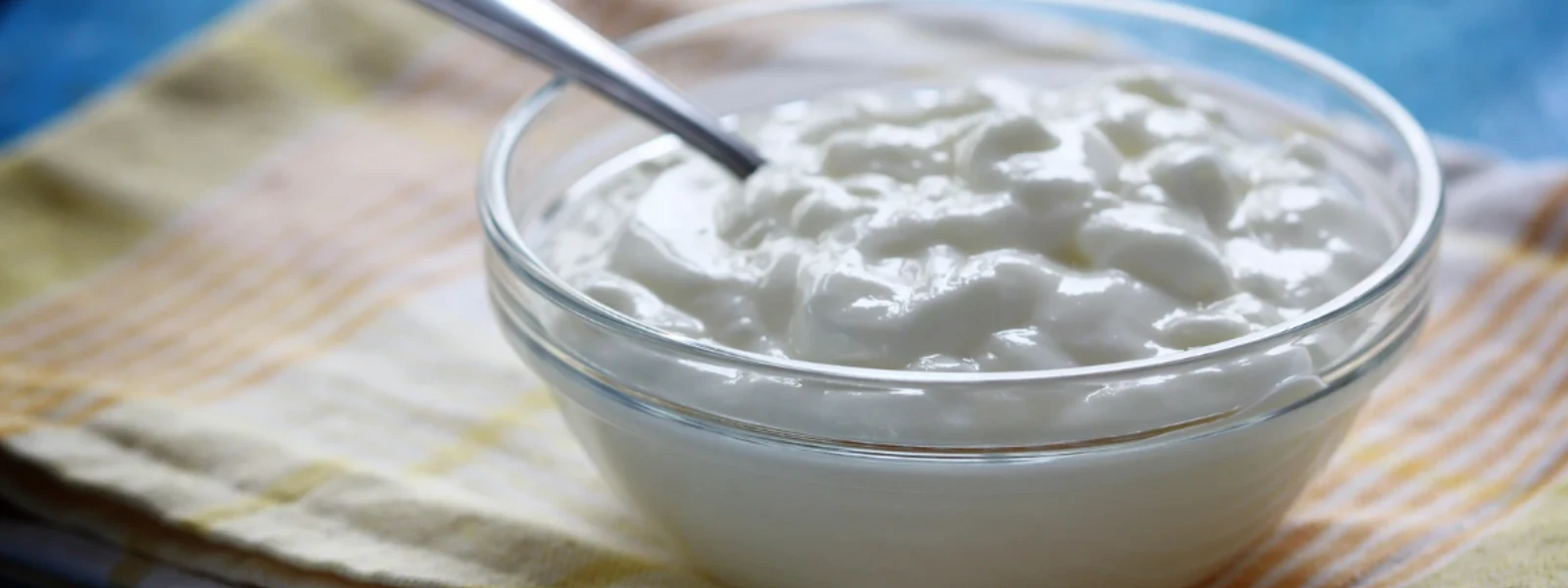


Your skin reflects what you eat, and when it comes to achieving that coveted glow, the connection between vitamin B12 in curd might surprise you. This humble kitchen staple packs a powerful punch for skin health, offering benefits that go far beyond basic nutrition. Understanding how this essential vitamin works within one of our most beloved dairy products can unlock new pathways to radiant, healthy skin.
Vitamin B12, also known as cobalamin, stands as one of the most crucial nutrients for cellular function throughout your body. This water-soluble vitamin plays a vital role in DNA synthesis, red blood cell formation, and neurological function. For your skin, vitamin B12 for skin health becomes particularly important because it directly influences cellular regeneration and repair processes.
Your skin cells undergo constant renewal, with the outer layer completely replacing itself approximately every 28 days. This process requires adequate B12 levels to ensure healthy cell division and proper DNA replication. When B12 levels drop, this renewal process slows down, leading to various skin concerns.
Recognizing B12 deficiency skin symptoms can help you address nutritional gaps before they impact your appearance. Common signs include persistent dryness, increased sensitivity, slower wound healing, and uneven skin tone. Some people may notice their complexion appears dull or develops a slightly yellowish tint, particularly around the eyes and mouth areas.
Vegetarians and vegans face higher risks of B12 deficiency since this vitamin primarily occurs in animal products. However, fermented dairy products like curd offer a valuable source for those who include dairy in their diet.
Curd contains approximately 0.4 to 1.2 micrograms of vitamin B12 per 100 grams, depending on various factors including the source milk, fermentation process, and bacterial cultures used. This might seem modest compared to meat sources, but regular consumption can contribute meaningfully to your daily B12 requirements.
The B12 in yogurt and curd develops through the fermentation process, where specific bacterial strains produce this essential vitamin. Lactobacillus bulgaricus and Streptococcus thermophilus, common in curd production, can synthesize B12 during fermentation, though amounts vary significantly.
Several elements influence the final B12 content in your curd. The bacterial strains used during fermentation play the most significant role, with some producing more B12 than others. Fermentation time, temperature, and the quality of source milk also impact vitamin levels. Homemade curd often contains different B12 levels compared to commercial varieties due to variations in these factors.
Storage conditions affect B12 stability as well. This vitamin degrades when exposed to light and heat, so proper refrigeration helps maintain nutritional value. Fresh curd typically contains higher B12 levels than older products.
Did You Know?
The bacterial cultures in curd don't just produce vitamin B12 – they also create other B-complex vitamins that work synergistically to support skin health. This makes curd a comprehensive source of skin-supporting nutrients beyond just B12.
The curd benefits for skin extend far beyond basic nutrition, offering multiple pathways to healthier, more radiant skin. Understanding these mechanisms helps you appreciate why incorporating curd into your routine can make a noticeable difference.
Vitamin B12 supports the production of new skin cells by facilitating proper DNA synthesis. This process ensures that new cells form correctly and replace damaged ones efficiently. Regular consumption of B12 rich foods like curd helps maintain this cellular turnover, resulting in fresher, younger-looking skin.
The repair process becomes particularly important for addressing sun damage, environmental stress, and natural aging. Adequate B12 levels help your skin recover from daily damage more effectively, maintaining its natural resilience and appearance.
B12 plays a role in regulating melanin production, the pigment responsible for skin color. Proper B12 levels help prevent irregular melanin distribution that can lead to dark spots, uneven skin tone, and hyperpigmentation. This makes curd for glowing skin particularly beneficial for those dealing with post-inflammatory hyperpigmentation or age spots.
While vitamin C gets most attention for collagen support, B12 also contributes to this crucial process. It helps in the formation of amino acids necessary for collagen synthesis, supporting skin elasticity and firmness. The combination of nutrients in curd works together to maintain your skin's structural integrity.
Simply consuming curd isn't enough – you need to optimize absorption to gain maximum curd skin benefits. Several strategies can enhance how your body processes and utilizes the B12 from curd.
Consuming curd on an empty stomach or with minimal other foods can improve B12 absorption. The vitamin requires specific proteins called intrinsic factors for proper absorption, and these work most effectively when not competing with large amounts of other nutrients.
Fresh, homemade curd often provides better B12 availability than heavily processed varieties. The live bacterial cultures in fresh curd continue producing vitamins even after consumption, potentially offering additional benefits.
Pairing curd with vitamin C-rich foods can enhance overall nutrient absorption and provide additional skin benefits. Try combining curd with berries, citrus fruits, or bell peppers for a skin-supporting meal. This combination also provides antioxidants that work alongside B12 to protect against oxidative stress.
Folate, another B-vitamin, works closely with B12 in cellular processes. Including folate-rich foods like leafy greens with your curd consumption can amplify the skin benefits.
Making curd for beauty part of your regular routine doesn't require dramatic dietary changes. Simple, consistent inclusion can provide meaningful benefits over time.
Start with small portions if you're not accustomed to regular dairy consumption. A small bowl of curd daily can provide a good foundation of B12 while allowing your digestive system to adjust. Gradually increase portions based on your tolerance and preferences.
Consider timing your curd consumption around meals that need protein or probiotics. The combination of B12, protein, and beneficial bacteria in curd makes it an excellent addition to breakfast or as an afternoon snack.
While internal consumption provides the primary benefits, curd can also support skin health when applied topically. The lactic acid and proteins in curd can gently exfoliate and moisturize skin, though the B12 content won't be absorbed significantly through topical application.
Simple face masks using plain curd can provide immediate hydration and gentle exfoliation, complementing the internal benefits of B12 consumption.
While curd offers valuable B12 for skin health, it's important to understand its limitations and consider individual circumstances.
For individuals with significant B12 deficiencies, curd alone may not provide sufficient amounts for rapid correction. B12 supplements for skin health might be necessary alongside dietary sources to address severe deficiencies effectively.
People with absorption issues, certain medical conditions, or those following strict vegan diets may need alternative B12 sources or supplementation to meet their needs adequately.
Lactose intolerance can limit curd consumption for some individuals, though many people with mild lactose intolerance can handle small amounts of curd better than milk due to the fermentation process. Those with dairy allergies should avoid curd entirely and seek alternative B12 sources.
Starting with small amounts helps identify any adverse reactions while allowing you to assess tolerance levels.
Curd provides moderate amounts of vitamin B12, typically 0.4 to 1.2 micrograms per 100 grams. While not as concentrated as meat sources, regular consumption can contribute meaningfully to daily B12 requirements and support skin health, especially when combined with other B12 sources.
A serving of 100-150 grams of curd daily can provide valuable B12 for skin health. This amount offers a good balance of nutrients without excessive calories. Individual needs may vary based on overall diet, health status, and specific B12 requirements.
Many people with mild lactose intolerance can tolerate small amounts of curd because fermentation breaks down much of the lactose. However, those with severe intolerance or dairy allergies should seek alternative B12 sources and consult healthcare providers about supplementation options.
Improvements may include better skin hydration, more even tone, faster healing of minor blemishes, and overall enhanced radiance. These changes typically become noticeable after 4-6 weeks of consistent consumption, as skin cell turnover cycles require time to show visible improvements.
Fresh, homemade curd often contains more active bacterial cultures that can continue producing B12. However, quality store-bought varieties with live cultures can also provide benefits. Choose options with minimal processing and active cultures, regardless of whether they're homemade or commercial.
The relationship between vitamin B12 in curd and skin health offers a simple yet effective approach to supporting your skin from within. Regular consumption of quality curd provides not only essential B12 but also beneficial bacteria, protein, and other nutrients that work together to promote healthy, radiant skin. While curd alone may not address severe B12 deficiencies, it serves as an excellent dietary foundation for maintaining adequate levels and supporting ongoing skin health. By understanding how to maximize absorption and incorporate curd strategically into your routine, you can harness this traditional food's modern benefits for lasting skin wellness. Consider exploring comprehensive approaches to skin health that combine proper nutrition with targeted support for optimal results.



