How to Get Your Daily B12 from These Indian Foods
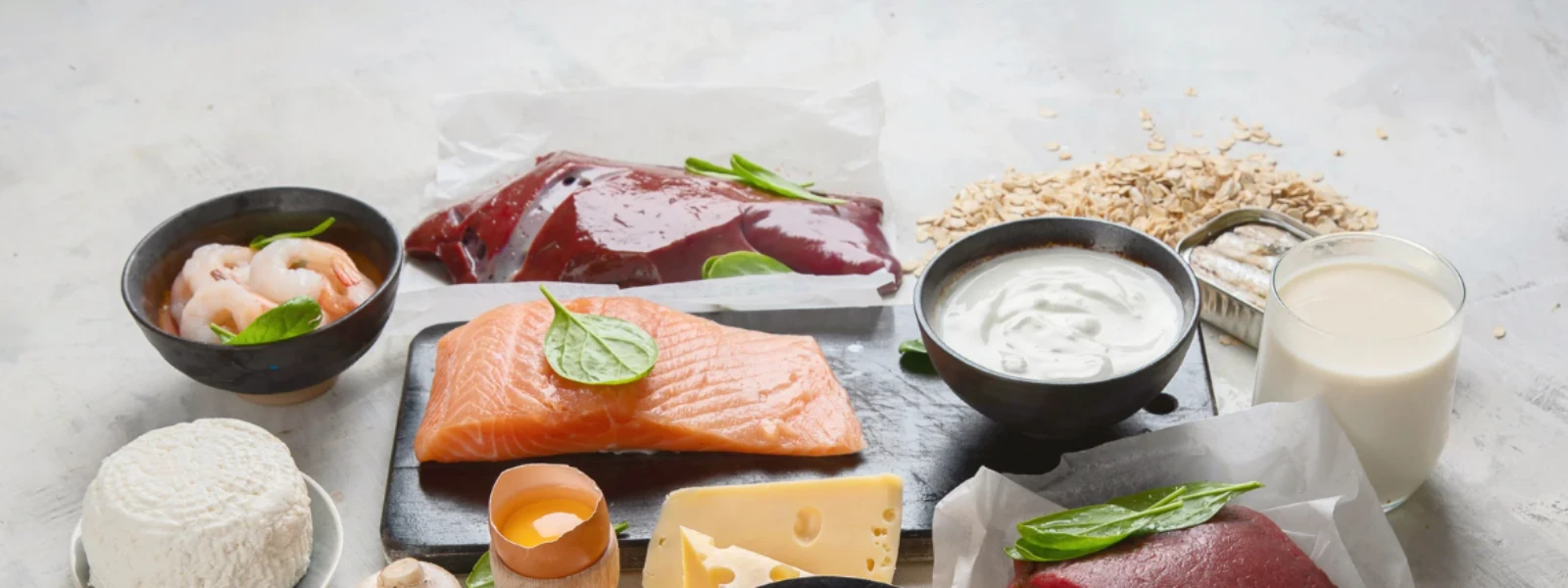


Your body needs Vitamin B12 to function properly, yet many people struggle to get enough of this essential nutrient. This water-soluble vitamin plays a crucial role in energy production, brain function, and healthy skin. While B12 deficiency is surprisingly common, especially among vegetarians, the good news is that several vitamin B12 rich Indian foods can help you meet your daily needs naturally.
Understanding which foods contain B12 and how to incorporate them into your meals can transform your health. Whether you follow a vegetarian or non-vegetarian diet, Indian cuisine offers diverse options to boost your B12 intake. Let's explore the best sources and practical ways to include them in your daily routine.
Vitamin B12, also known as cobalamin, is unique among vitamins because it contains cobalt and is primarily found in animal products. Your body cannot produce B12 on its own, making dietary sources essential for maintaining optimal health.
This vitamin supports several critical functions in your body. It helps form red blood cells, maintains nerve cell health, and assists in DNA synthesis. B12 also plays a vital role in energy metabolism, converting the food you eat into usable energy.
For your skin, B12 contributes to cell reproduction and renewal. Adequate levels help maintain healthy, glowing skin by supporting the production of new skin cells. A deficiency can lead to pale skin, fatigue, and even neurological symptoms.
Adults need approximately 2.4 micrograms of B12 daily. Pregnant women require slightly more at 2.6 micrograms, while breastfeeding mothers need 2.8 micrograms. These amounts might seem small, but B12 deficiency remains one of the most common nutritional deficiencies worldwide.
Finding b12 rich indian foods as a vegetarian requires knowing which dairy products and fortified foods provide the most benefits. Traditional Indian vegetarian cuisine offers several excellent sources.
Milk stands as one of the most accessible B12 sources for vegetarians. One cup of whole milk provides about 1.1 micrograms of B12, nearly half your daily requirement. The B12 in milk is easily absorbed by your body, making it an excellent choice for daily consumption.
Yogurt, or dahi, offers another fantastic option. A cup of plain yogurt contains approximately 1.4 micrograms of B12. The fermentation process in yogurt may even enhance B12 absorption. Try incorporating homemade dahi into your meals or enjoy it as a cooling drink like lassi.
Paneer serves as a b12 dense indian ingredient that's incredibly versatile. A 100-gram serving provides about 0.8 micrograms of B12. Use paneer in curries, grilled dishes, or even as a protein-rich snack. The key is choosing fresh, high-quality paneer from reliable sources.
Various cheese types also contribute to your B12 intake. Swiss cheese leads with the highest content, followed by mozzarella and cheddar. Even small amounts can make a difference in your daily B12 consumption.
Many breakfast cereals are now fortified with B12, making them convenient sources for busy mornings. Check labels to ensure adequate B12 content, as amounts vary significantly between brands.
Nutritional yeast has gained popularity as a B12-rich seasoning. This deactivated yeast provides a nutty, cheese-like flavor while delivering substantial B12 amounts. Sprinkle it over popcorn, pasta, or use it in homemade cheese sauces.
Plant-based milk alternatives like soy milk, almond milk, and oat milk are often fortified with B12. These options work well for those avoiding dairy while still maintaining adequate B12 intake.
Did You Know?
Traditional fermented foods like idli and dhokla may contain trace amounts of B12 due to bacterial fermentation. While not primary sources, they can contribute to your overall intake when consumed regularly as part of a balanced diet.
Non-vegetarian options provide the highest concentrations of naturally occurring B12. Indian foods high in b12 from animal sources offer excellent bioavailability and absorption rates.
Fish ranks among the top B12 sources available. Rohu, a popular freshwater fish in India, provides substantial B12 content. A 100-gram serving delivers approximately 2.5 micrograms, exceeding your daily requirement.
Mackerel offers even higher concentrations, with some varieties containing up to 19 micrograms per 100 grams. This makes mackerel one of the most b12 concentrated indian recipes when prepared as curry or grilled preparations.
Shellfish like mussels and clams contain extraordinary B12 levels. While not traditional in all Indian cuisines, coastal regions incorporate these b12 abundant indian dishes regularly. Mussels can provide over 20 micrograms per serving.
Sardines, often available canned, offer convenience and excellent B12 content. Use them in spicy curries or mixed with rice for quick, nutritious meals.
Chicken liver stands out as an exceptional B12 source, containing about 16 micrograms per 100 grams. Prepare it as spicy liver fry or incorporate it into biryanis for maximum benefit.
Regular chicken meat provides moderate B12 amounts, with breast meat containing slightly more than thigh meat. Cooking methods like grilling or roasting help preserve B12 content better than prolonged boiling.
Eggs deserve special mention as versatile B12 sources. Two large eggs provide approximately 1.5 micrograms of B12. The B12 concentrates in the yolk, so avoid egg-white-only preparations if maximizing B12 intake is your goal.
Getting enough B12 isn't just about eating the right foods; absorption plays a crucial role in meeting your body's needs.
Your stomach produces intrinsic factor, a protein essential for B12 absorption. Age, certain medications, and digestive conditions can reduce intrinsic factor production, limiting B12 absorption even with adequate dietary intake.
Alcohol consumption and certain antibiotics can interfere with B12 absorption. If you take medications regularly, discuss potential B12 interactions with your healthcare provider.
B12 is relatively stable during cooking, but some methods preserve it better than others. Light cooking methods like steaming, grilling, or quick sautéing maintain more B12 than prolonged boiling or pressure cooking.
When preparing b12 packed indian meals, avoid excessive heat and long cooking times. Quick curries and stir-fries work better than slow-cooked preparations for maximizing B12 retention.
Combining B12-rich foods with other nutrients can enhance absorption. Pairing animal proteins with vegetables provides a balanced approach to nutrition while ensuring adequate B12 intake.
Maintaining proper B12 levels delivers numerous health benefits that extend beyond basic nutrition.
B12 plays a fundamental role in converting carbohydrates into glucose, your body's primary energy source. Adequate levels help prevent fatigue and support sustained energy throughout the day.
This vitamin also supports protein metabolism, helping your body utilize dietary protein efficiently. This becomes particularly important if you're active or trying to maintain muscle mass.
B12 supports healthy skin cell production and regeneration. It helps maintain the protective barrier function of your skin and contributes to overall skin health and appearance.
The vitamin also supports collagen synthesis indirectly by maintaining healthy cellular function. This connection between B12 and skin health makes adequate intake important for maintaining a youthful appearance.
B12 maintains the myelin sheath that protects nerve fibers. This protection ensures proper nerve signal transmission and supports cognitive function, memory, and concentration.
Long-term B12 deficiency can lead to irreversible neurological damage, making consistent intake crucial for brain health throughout life.
While dairy products provide some B12, strict vegetarians may struggle to meet daily requirements through food alone. Combining dairy sources with fortified foods and considering supplements often provides the most reliable approach for maintaining adequate B12 levels.
Signs of adequate B12 include sustained energy levels, healthy skin color, and good cognitive function. However, deficiency symptoms can take years to develop. Regular blood tests measuring B12 levels provide the most accurate assessment of your status.
Some traditional fermented foods may contain small amounts of B12 produced by bacteria during fermentation. However, these amounts are generally insufficient to meet daily requirements and shouldn't be relied upon as primary B12 sources.
Quick cooking methods like stir-frying, grilling, or light steaming preserve more B12 than prolonged boiling or pressure cooking. When making curries, add B12-rich ingredients toward the end of cooking to minimize nutrient loss.
While no specific Indian spices directly enhance B12 absorption, maintaining overall digestive health with spices like ginger and turmeric may support better nutrient absorption generally. The key is consuming B12-rich foods as part of balanced meals.
Meeting your daily B12 needs through vitamin B12 rich Indian foods is entirely achievable with proper planning and food choices. Dairy products like milk, yogurt, and paneer provide excellent vegetarian sources, while fish, chicken, and eggs offer the highest concentrations for non-vegetarians. The key lies in understanding which foods contain the most B12 and incorporating them regularly into your meals using cooking methods that preserve their nutritional value. Whether you're following traditional Indian recipes or exploring modern fortified options, maintaining adequate B12 intake supports your energy, skin health, and overall wellbeing. Consider your individual dietary preferences and needs when planning meals, and remember that combining various B12 sources throughout the week provides the most comprehensive approach to meeting your nutritional requirements.



