How to Maximize Hyaluronic Acid Benefits for Skin
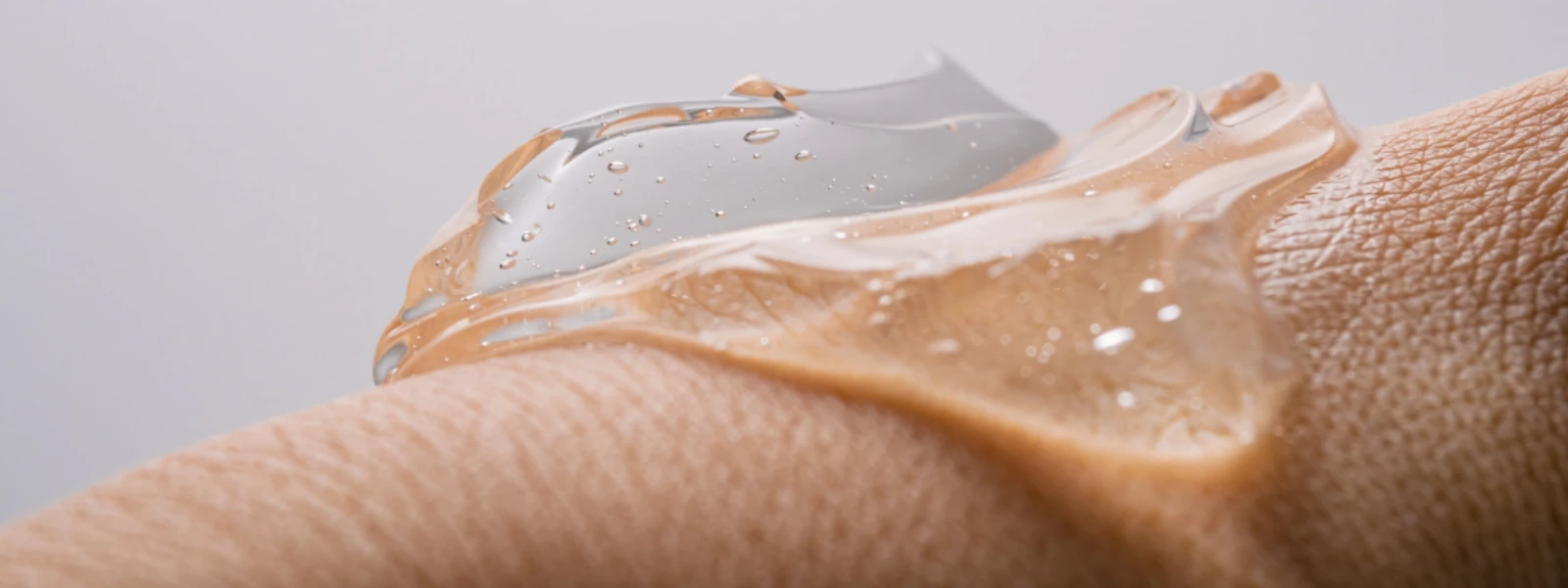


Your skin holds approximately 50% of your body's hyaluronic acid, making it one of the most crucial molecules for maintaining healthy, hydrated skin. This powerful humectant can hold up to 1,000 times its weight in water, yet many people don't know how to harness its full potential. Understanding how to maximize hyaluronic acid benefits can transform your skincare routine and help you achieve the plump, youthful complexion you've been seeking.
This comprehensive guide will walk you through everything you need to know about hyaluronic acid for skin, from choosing the right products to applying them correctly. You'll discover the science-backed benefits, learn about different product types, and get expert tips for incorporating this moisture-binding powerhouse into your daily routine.
Hyaluronic acid is a naturally occurring substance found throughout your body, with the highest concentrations in your skin, eyes, and joints. This gel-like molecule belongs to a group called glycosaminoglycans and plays a vital role in maintaining tissue hydration and structure.
The remarkable ability of hyaluronic acid to attract and retain moisture comes from its unique molecular structure. Each hyaluronic acid molecule contains multiple binding sites that can attach to water molecules. This creates a three-dimensional network that traps moisture within your skin's layers.
Research published in the Journal of Clinical Medicine shows that topical hyaluronic acid can increase skin moisture content by up to 96% within just 8 weeks of regular use. The molecule works by forming a protective film on your skin's surface while simultaneously drawing moisture from the environment.
Your body produces hyaluronic acid naturally, but this production decreases by approximately 1% each year after age 20. Skincare products typically contain synthetic hyaluronic acid created through bacterial fermentation, which is bioidentical to what your body produces.
Synthetic hyaluronic acid offers several advantages over naturally derived versions. It's more stable, has a longer shelf life, and can be produced in different molecular weights to target specific skin concerns. The fermentation process also ensures purity and reduces the risk of contamination.
While many ingredients can hydrate your skin, hyaluronic acid stands out for its unique properties. Unlike oils that sit on the skin's surface, hyaluronic acid penetrates into the deeper layers of your skin. It also differs from glycerin and other humectants because it can hold significantly more water and provides longer-lasting hydration.
The benefits of hyaluronic acid extend far beyond basic moisturization. Clinical studies have documented multiple ways this molecule can improve your skin's appearance and health.
The primary benefit of hyaluronic acid is its exceptional ability to boost skin hydration. When applied topically, it forms a moisture reservoir that continuously releases water to your skin cells throughout the day. This sustained hydration helps maintain your skin's plumpness and elasticity.
Studies show that regular use of hyaluronic acid products can increase skin moisture levels by 15-30% within the first week of use. This immediate hydration boost makes your skin appear more radiant and feel softer to the touch.
Well-hydrated skin naturally appears smoother and more youthful. Hyaluronic acid helps fill in fine lines by plumping the skin from within. While it doesn't permanently eliminate wrinkles, it can significantly reduce their appearance by improving skin texture and firmness.
A 12-week clinical trial found that participants using hyaluronic acid serum showed a 40% reduction in wrinkle depth and a 55% increase in skin smoothness compared to the control group.
Regular use of hyaluronic acid can help refine your skin's texture by promoting cell turnover and supporting the skin's natural repair processes. The improved hydration helps skin cells function more efficiently, leading to a smoother, more even complexion.
Hyaluronic acid plays a crucial role in wound healing by regulating inflammation and promoting tissue repair. It helps create an optimal environment for cell migration and proliferation, which can speed up the healing of minor cuts, scratches, and blemishes.
Did You Know?
Hyaluronic acid concentrations in your skin increase naturally during wound healing, which is why many dermatologists recommend hyaluronic acid products for post-procedure care and acne scar treatment.
A healthy skin barrier is essential for protecting against environmental damage and preventing moisture loss. Hyaluronic acid helps strengthen this barrier by supporting the production of ceramides and other lipids that keep your skin's protective layer intact.
Beyond its immediate hydrating effects, hyaluronic acid offers long-term anti-aging benefits. It helps protect against free radical damage and supports collagen production, which can help maintain skin firmness and elasticity over time.
Not all hyaluronic acid products are created equal. Understanding the different types and formulations can help you select the most effective options for your skin type and concerns.
Hyaluronic acid serum typically contains higher concentrations of the active ingredient and has a lighter texture that penetrates more easily. Serums are ideal for layering under other products and work well for all skin types, including oily skin.
Hyaluronic acid moisturizer combines the hydrating benefits of hyaluronic acid with occlusive ingredients that help seal in moisture. These products are better for dry skin types or for use as the final step in your evening routine.
Hyaluronic acid comes in different molecular weights, each offering unique benefits. Low molecular weight hyaluronic acid (under 50 kDa) can penetrate deeper into the skin but may cause irritation in sensitive individuals. High molecular weight hyaluronic acid (over 1,000 kDa) stays on the skin's surface and provides immediate hydration with less risk of irritation.
The most effective products often contain a combination of different molecular weights to provide both immediate and long-lasting benefits.
Look for products that combine hyaluronic acid with complementary ingredients. Vitamin C can enhance the anti-aging benefits, while niacinamide helps improve skin barrier function. Ceramides and peptides work synergistically with hyaluronic acid to provide comprehensive skin support.
Proper application is crucial for maximizing hyaluronic acid benefits. Following the correct technique can significantly improve the effectiveness of your products.
Apply hyaluronic acid products to clean, slightly damp skin. The general rule is to apply products from thinnest to thickest consistency. Start with a hyaluronic acid serum, followed by any treatment products, then finish with a moisturizer to seal in the hydration.
Apply hyaluronic acid to damp skin for optimal results. The moisture on your skin provides the water that hyaluronic acid needs to work effectively. Use gentle patting motions rather than rubbing to avoid irritation and ensure even distribution.
Wait 30-60 seconds between each layer to allow proper absorption. This prevents pilling and ensures each product can work effectively.
Hyaluronic acid plays well with most other skincare ingredients. It can be safely combined with Vitamin C, retinol, niacinamide, and AHA/BHA acids. However, always introduce new combinations gradually to monitor your skin's response.
While topical application provides direct benefits, hyaluronic acid supplements can support skin health from within by maintaining your body's natural hyaluronic acid levels.
Oral hyaluronic acid supplements work by providing your body with the building blocks needed to maintain healthy hyaluronic acid levels in your skin and joints. Studies suggest that oral supplementation can increase skin moisture and reduce the appearance of wrinkles.
A 12-week study published in the Journal of Nutrition and Health Sciences found that participants taking oral hyaluronic acid supplements showed significant improvements in skin hydration and elasticity compared to the placebo group. The benefits were most pronounced in individuals over 40.
People with known allergies to hyaluronic acid or any ingredients in the formulation should avoid these products. Those with very sensitive skin should patch test new products before full application.
Overuse of hyaluronic acid can sometimes lead to skin feeling tight or dry, particularly in low-humidity environments. If you experience these symptoms, reduce the frequency of use or apply a heavier moisturizer over your hyaluronic acid products.
Hyaluronic acid primarily hydrates your skin by attracting and holding moisture. It can hold up to 1,000 times its weight in water, which helps plump the skin, reduce the appearance of fine lines, and improve overall skin texture and smoothness.
Yes, hyaluronic acid is gentle enough for daily use and is actually most effective when used consistently. You can apply it both morning and evening as part of your regular skincare routine without risk of over-exfoliation or irritation.
Both ingredients serve different purposes and work well together. Vitamin C provides antioxidant protection and brightening benefits, while hyaluronic acid focuses on hydration. Many skincare experts recommend using both in your routine for comprehensive skin benefits.
You may notice immediate improvements in skin hydration and plumpness after the first application. More significant improvements in skin texture and fine lines typically become visible after 4-8 weeks of consistent use.
Pure hyaluronic acid is non-comedogenic and unlikely to cause breakouts. However, some formulations may contain other ingredients that could clog pores. If you're acne-prone, look for products specifically labeled as non-comedogenic.
Hyaluronic acid offers remarkable benefits for skin health when used correctly. By understanding how to choose the right products, apply them properly, and incorporate them into your routine, you can maximize the hydrating and anti-aging effects of this powerful ingredient. Remember that consistency is key, and combining topical application with proper skincare habits will give you the best results for healthy, hydrated skin.




Someone sent you
Powered by ReferRush


