If you have oily skin, hydration can feel confusing. On one hand, your skin already produces excess oil. On the other, skipping hydration often leads to breakouts, uneven texture, and a compromised skin barrier.
This is where hyaluronic acid enters the conversation. Known for its ability to hold water, it is often recommended for dry or ageing skin, but does it really make sense for oily skin types?
Let’s explore the science behind hyaluronic acid for oily skin and understand whether it supports balance or adds to the problem.
Understanding Hyaluronic Acid
Hyaluronic acid for skin is a naturally occurring molecule found in high concentrations within the skin’s extracellular matrix. It functions as a powerful humectant, meaning it attracts and binds water molecules, holding up to 1,000 times its weight in moisture within the skin. By drawing water into the upper layers of the skin and maintaining hydration between skin cells, it supports skin elasticity, barrier function, and overall resilience (NIH).
Unlike oils or emollients, hyaluronic acid:
-
Does not add grease
-
Does not clog pores
-
Works by binding water within the skin
This distinction is important, especially for oily skin types.
Oily Skin and Dehydration
Hydration refers to water content. Oil refers to lipid content. Oily skin often has an excess of oil but insufficient water, leading to dehydration beneath the surface.
Many individuals with oily skin intentionally avoid moisturisers or hydrating serums, believing that added hydration will intensify shine or trigger congestion. However, when the skin becomes dehydrated, it activates a compensatory response, upregulating sebum production to reinforce the skin barrier and prevent further water loss.
This physiological feedback loop leads to a predictable cycle (NIH):
-
Reduced water content within the skin
-
Increased sebum secretion
-
Visibly enlarged pores
-
Higher susceptibility to breakouts
Restoring optimal hydration helps interrupt this cycle by normalising barrier function and oil regulation. This is precisely where hyaluronic acid for oily skin becomes relevant, as it replenishes water levels without contributing additional lipids or occlusion.
Is Hyaluronic Acid Good for Oily Skin?
From a dermatological perspective, the answer is yes because effective hydration does not mean added oil. Hyaluronic acid for oily skin replenishes water within the skin without increasing greasiness, allowing the skin to function in a more balanced and regulated way.
1. Restores Water Balance Without Adding Lipids

Hyaluronic acid functions as a humectant, binding water within the upper layers of the skin without introducing oils or occlusive fats. By correcting dehydration at a cellular level, it reduces the skin’s need to compensate with excess sebum, helping oily skin feel hydrated yet light (NIH).
2. Normalises Skin Barrier Signalling

Adequate hydration strengthens the integrity of the skin barrier, which plays a key role in regulating inflammation and oil production. When barrier signalling stabilises, the skin becomes less reactive and no longer triggers increased sebum release as a defensive response (NIH).
3. Improves Cellular Function and Surface Texture Over Time

Well-hydrated skin supports healthier cell turnover and improved intercellular communication. Over time, this leads to smoother texture, reduced pore visibility, and a more balanced appearance, without the heaviness often associated with traditional moisturisation (NIH).
Because it supports hydration through physiological mechanisms rather than surface coating, hyaluronic acid is typically well tolerated by oily, acne-prone, and sensitive skin types, making it a foundational ingredient for long-term skin balance.
Hyaluronic Acid for Hair and Scalp
Apart from oily facial skin, oiliness can also show up on the scalp, often alongside dryness, tightness, or irritation. This is where hyaluronic acid becomes equally relevant for hair and scalp health.
1. Hydrates the Scalp Without Increasing Greasiness

Hyaluronic acid binds water to the scalp without coating it in oils, making hydration possible without weighing the hair down. By restoring moisture balance, it helps reduce the scalp’s tendency to overproduce oil in response to dehydration (NIH).
2. Improves Hair Smoothness and Manageability

When scalp and hair fibres are adequately hydrated, the cuticle lies flatter, resulting in smoother and softer hair. This improves manageability and shine without contributing to a greasy or heavy feel at the roots (NIH).
3. Supports Scalp Comfort and Microbial Balance

A well-hydrated scalp is less prone to irritation, tightness, and inflammation. By maintaining moisture levels, hyaluronic acid supports a healthier scalp environment, reinforcing the idea that oiliness and dehydration often coexist (NIH).
In essence, scalp oiliness does not indicate sufficient hydration. By restoring water balance without adding grease, hyaluronic acid helps regulate oil production, improve hair texture, and support overall scalp comfort.
Practical Ways to Include Hyaluronic Acid
Incorporating hyaluronic acid effectively is less about quantity and more about context. When used correctly, it supports hydration, barrier health, and long-term skin balance, especially for oily skin types.
1. Choose the Right Hyaluronic Acid Format
Look for hyaluronic acid for skin that contains multiple molecular weights, allowing hydration at both the surface and deeper layers without leaving residue or stickiness.
Avoid formulas with high alcohol content or heavy occlusives, as these can disrupt barrier function and counteract the benefits for oily or acne-prone skin.
2. Use Collagen and Hyaluronic Acid Together
Hydration and structure work best in tandem. While hyaluronic acid improves water retention, collagen and hyaluronic acid together support skin elasticity, firmness, and long-term resilience.
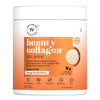
Pairing topical hydration with internal support such as collagen powder helps reinforce skin health from within, addressing both immediate hydration and age-related collagen decline.
3. Apply on Damp Skin and Seal Lightly
Hyaluronic acid works by binding available water, which is why application technique matters. Applying it to slightly damp skin and sealing with a lightweight moisturiser enhances absorption and prevents transepidermal water loss.
This step is particularly important for oily skin, where skipping moisturiser can lead to dehydration-driven oil overproduction.
4. Layer Strategically with Barrier-Supporting Ingredients
For best results, pair hyaluronic acid with ingredients like niacinamide, ceramides, or zinc. These combinations help regulate sebum, strengthen the skin barrier, and calm inflammation without overwhelming the skin.
Strategic layering ensures hydration works synergistically rather than in isolation.
5. Extend Hydration Beyond the Face
Hydration needs do not stop at facial skin. Using hyaluronic acid for hair and scalp-focused formulations can help balance oiliness while reducing dryness, irritation, and discomfort.
Used consistently and correctly, hyaluronic acid becomes a foundational element of skin and scalp care, supporting balance rather than masking symptoms.
In A Gist
Oily skin does not need less hydration; it needs the right kind of hydration. When used consistently and correctly, hyaluronic acid for oily skin helps correct underlying dehydration, strengthens the skin barrier, and supports a more regulated oil response.
Rather than increasing greasiness, it allows the skin to function as it should, calm, resilient, and balanced. In this context, hydration is not the enemy of oily skin, imbalance is.
FAQs
1. Is hyaluronic acid good for oily skin?
Yes, hyaluronic acid for oily skin is beneficial because it hydrates the skin without adding oil or clogging pores. By restoring water balance, it helps regulate excess sebum production rather than increasing greasiness.
2. Can hyaluronic acid make oily skin more greasy?
No, hyaluronic acid does not increase oiliness because it contains no lipids. It works by binding water within the skin, helping oily skin stay hydrated without triggering shine or congestion.
3. Why does oily skin still need hydration?
Oily skin often lacks water, not oil. When dehydrated, the skin compensates by producing more sebum, which can worsen breakouts, making hydration with hyaluronic acid essential for balance.
4. Is hyaluronic acid safe for acne-prone and sensitive skin?
Yes, hyaluronic acid is non-comedogenic and generally well tolerated by acne-prone and sensitive skin types. Its lightweight nature helps support the skin barrier without irritation or pore blockage.
5. How should oily skin use hyaluronic acid correctly?
Apply hyaluronic acid on slightly damp skin and follow with a lightweight, non-comedogenic moisturiser to seal hydration. This prevents water loss and avoids dehydration-driven oil overproduction.
6. Can hyaluronic acid help with oily scalp and hair?
Yes, hyaluronic acid helps hydrate the scalp without increasing greasiness. It supports scalp comfort, reduces dryness-related oil imbalance, and improves hair smoothness and manageability.
7. Should hyaluronic acid be combined with collagen?
Yes, using collagen and hyaluronic acid together supports both hydration and skin structure. While hyaluronic acid improves water retention, collagen, often taken as collagen powder, helps maintain elasticity and long-term skin resilience.