Iron Tablets vs Natural Sources: Which Wins?
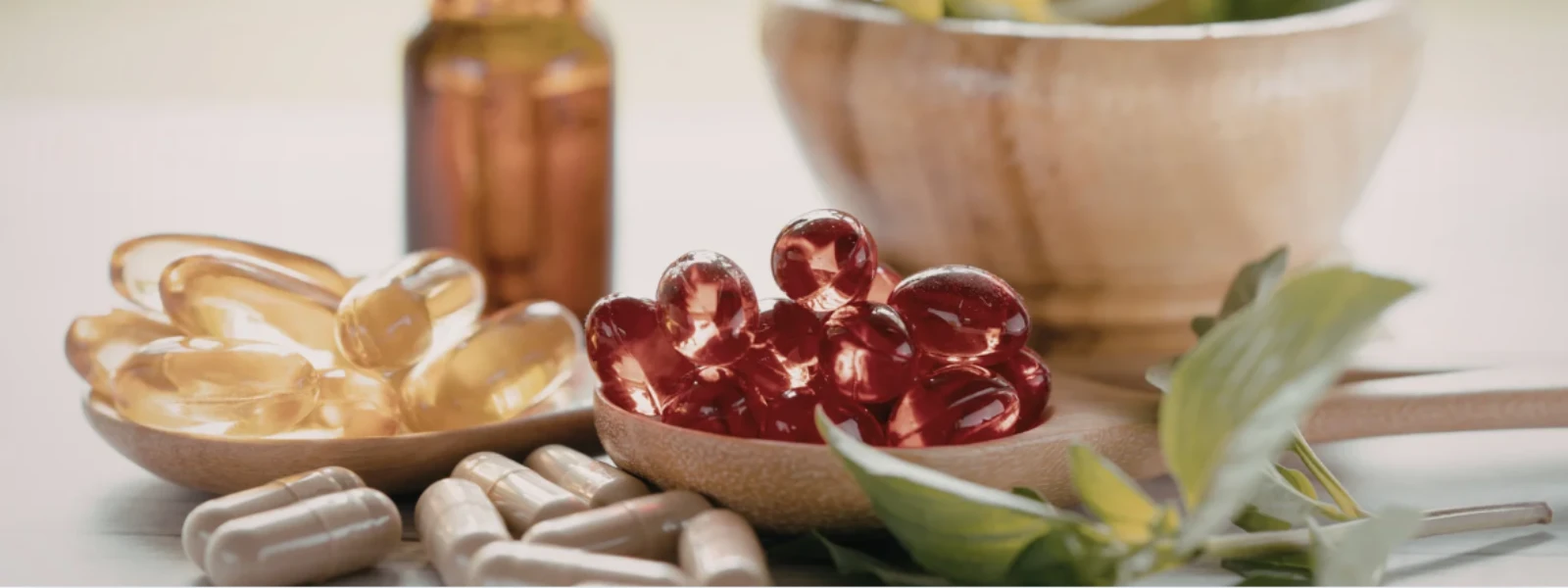


When it comes to essential minerals, the debate between supplements and natural sources continues to spark interest among health-conscious individuals. Both iron or calcium tablet options and food-based sources offer unique advantages for maintaining optimal health and supporting beauty from within. This comprehensive guide examines the science behind these vital nutrients, helping you make informed decisions about whether supplements, natural sources, or a combination approach best serves your wellness goals.
Iron and calcium tablets are concentrated forms of these essential minerals, designed to address deficiencies or support increased nutritional needs. Iron supplements typically contain ferrous sulfate, ferrous fumarate, or ferrous gluconate, each offering different absorption rates and tolerability profiles. Calcium supplements commonly feature calcium carbonate or calcium citrate, with varying bioavailability depending on stomach acid levels.
These supplements differ significantly from their natural counterparts in terms of concentration and absorption. While a single iron tablet might contain 18-65mg of elemental iron, natural sources provide smaller amounts alongside beneficial co-factors that enhance uptake.
Iron serves as the cornerstone of oxygen transport throughout your body, directly impacting energy levels and cellular function. The iron benefits for skin extend beyond basic nutrition, supporting collagen synthesis and promoting healthy circulation that gives skin its natural glow.
When iron levels are optimal, red blood cell formation improves, delivering more oxygen to skin cells and supporting their repair processes. This enhanced circulation can reduce the appearance of dark circles under the eyes and promote a more vibrant complexion. Additionally, adequate iron supports hair follicle health, making it particularly important for women experiencing hair thinning or loss.
Beyond its well-known role in bone health, calcium plays a crucial part in skin cell regeneration and barrier function. The calcium benefits for skin include supporting the skin's natural renewal process and maintaining proper moisture levels.
Calcium helps regulate cell turnover, ensuring that dead skin cells are efficiently replaced with healthy new ones. This process is essential for maintaining smooth, youthful-looking skin and supporting the healing of minor wounds or blemishes. The mineral also contributes to muscle function, including the tiny muscles around hair follicles that affect hair growth and strength.
When selecting the best iron supplement for women, several factors determine effectiveness and tolerability. Ferrous fumarate typically offers higher elemental iron content per dose, while ferrous sulfate remains the most studied form. Many high-quality supplements include Vitamin C to enhance absorption, as this vitamin converts iron into a more readily absorbed form.
Third-party testing ensures purity and potency, while chelated forms of iron may reduce gastrointestinal side effects. Women of reproductive age typically need 18mg daily, while pregnant women may require 27mg or more under medical supervision.
Iron rich foods offer advantages that supplements cannot replicate. Heme iron from animal sources like lean beef, chicken, and fish provides superior bioavailability compared to non-heme iron from plants. However, plant-based sources like spinach, lentils, and quinoa contain beneficial compounds that support overall health.
Whole foods provide iron alongside complementary nutrients that enhance absorption naturally. For example, the Vitamin C in bell peppers or citrus fruits consumed with iron-rich meals can significantly boost uptake. This synergistic effect is difficult to replicate with isolated supplements.
Certain situations favor supplementation over dietary sources alone. Iron deficiency symptoms like severe fatigue, pale skin, and brittle nails often require rapid correction that food sources cannot provide quickly enough. Pregnant women, vegetarians, and individuals with heavy menstrual periods may struggle to meet their needs through diet alone.
Supplements offer consistency and convenience, ensuring reliable daily intake regardless of meal planning or food availability. For those with absorption issues or specific medical conditions, concentrated forms may be necessary to achieve therapeutic levels.
Calcium supplements come in various forms, each with distinct characteristics. Calcium carbonate requires stomach acid for absorption and is best taken with meals, while calcium citrate absorbs well regardless of food intake. The body can only absorb about 500mg of calcium at one time, making divided doses more effective than single large amounts.
Quality supplements often include Vitamin d3 and magnesium, which work synergistically with calcium for optimal bone health and cellular function. These co-factors are naturally present in many whole food sources, highlighting the complexity of nutrient interactions.
Calcium rich foods extend far beyond dairy products, encompassing leafy greens, sardines, almonds, and fortified plant-based alternatives. These natural sources provide calcium alongside other bone-supporting nutrients like Vitamin K, phosphorus, and trace minerals.
Research suggests that calcium from food sources may be more effectively utilized by the body due to the presence of these complementary compounds. Additionally, whole foods support overall dietary quality and provide fiber, antioxidants, and other beneficial substances that supplements lack.
One critical consideration when taking both minerals involves their interaction during absorption. Calcium can significantly reduce iron uptake when consumed simultaneously, as both minerals compete for the same transport mechanisms in the intestine.
This interaction is particularly important for individuals taking both supplements or consuming calcium-rich foods with iron-rich meals. However, the interference is temporary and can be managed through strategic timing.
Expert Tip
Separate iron and calcium supplements by at least 2 hours to maximize absorption of both minerals. Take iron on an empty stomach when possible, and calcium with meals for better tolerance.
Optimal supplementation strategies involve timing, food combinations, and individual tolerance levels. Iron is best absorbed on an empty stomach, ideally in the morning with Vitamin C. Calcium can be taken with meals to reduce potential stomach upset and improve absorption of the carbonate form.
Avoid taking either supplement with coffee, tea, or high-fiber foods, as these can further reduce absorption. Instead, pair iron with citrus fruits or bell peppers, and take calcium with magnesium-rich foods for enhanced utilization.
Iron deficiency symptoms often develop gradually, making them easy to overlook initially. Persistent fatigue that doesn't improve with rest, pale skin or nail beds, and unusual cravings for ice or starch can indicate low iron levels. Women may notice heavier menstrual periods or difficulty concentrating during daily activities.
Advanced deficiency can manifest as restless leg syndrome, brittle or spoon-shaped nails, and increased susceptibility to infections. These symptoms warrant professional evaluation and potential supplementation under medical guidance.
Calcium deficiency symptoms may be subtle initially but can have serious long-term consequences. Muscle cramps, particularly in the legs, numbness or tingling in fingers, and dental problems can signal inadequate calcium levels.
Bone pain, especially in the back or hips, and increased fracture risk indicate more severe deficiency. Women approaching menopause face increased risk due to declining estrogen levels, which affect calcium absorption and bone metabolism.
The connection between iron status and skin health extends beyond basic nutrition. Adequate iron supports collagen production, the protein responsible for skin elasticity and firmness. Supplements for healthy skin often include iron for this reason, as deficiency can lead to premature aging and delayed wound healing.
Iron also supports hair growth by ensuring adequate oxygen delivery to hair follicles. Women experiencing hair thinning may benefit from addressing iron status, particularly if deficiency is confirmed through blood testing.
Calcium contributes to skin barrier function and cellular communication, processes essential for maintaining healthy, resilient skin. The mineral supports the skin's natural exfoliation process, helping to maintain smooth texture and even tone.
Additionally, calcium plays a role in regulating sebum production and supporting the skin's natural healing processes. This makes adequate calcium intake important for individuals dealing with acne or other skin concerns.
While not dangerous, taking iron and calcium simultaneously reduces the absorption of both minerals. Separate them by at least 2 hours for optimal effectiveness.
Energy levels may improve within 2-4 weeks, while full iron stores typically take 3-6 months to replenish. Skin and hair improvements often become noticeable after 2-3 months of consistent supplementation.
Natural sources provide additional nutrients and co-factors that enhance absorption, but supplements may be necessary for severe deficiencies or when dietary intake is insufficient. The best approach often combines both strategies.
Avoid coffee, tea, dairy products, and high-fiber foods within 2 hours of taking iron supplements, as these can significantly reduce absorption.
Blood tests can determine your iron and calcium status. Symptoms alone are not reliable indicators, as many conditions can cause similar effects. Consult a healthcare provider for proper evaluation.
The choice between supplements and natural sources for iron and calcium depends on individual needs, deficiency status, and lifestyle factors. While whole foods provide optimal nutrient combinations and additional health benefits, supplements offer convenience and targeted correction of deficiencies. The most effective approach often combines both strategies, using supplements when necessary while maintaining a nutrient-rich diet for long-term health. Regular monitoring through blood tests and professional guidance ensures safe and effective supplementation, supporting both immediate health needs and long-term wellness goals. Remember that optimal mineral status contributes not only to energy and bone health but also to radiant skin and strong hair, making these nutrients essential components of any comprehensive health and beauty routine.




Someone sent you
Powered by ReferRush


