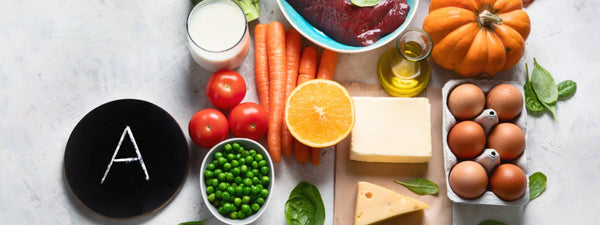
Collagen is your skin’s structural backbone, supporting elasticity, smoothness, firmness, and hydration. But after your mid-20s, collagen levels begin to drop naturally, leading to fine lines, sagging, weaker joints, and brittle hair. That’s when the spotlight turns to marine collagen foods, one of the cleanest and most bioavailable ways to support collagen production naturally.
While marine collagen supplements and a marine collagen drink are becoming mainstream, it’s equally powerful to add collagen-boosting, nutrient-rich foods into your daily diet. These foods either contain collagen or support your body’s ability to synthesize more of it.
Let’s explore exactly which foods help, how to use them, and what makes them so effective.
What Makes Marine Collagen So Unique?
Marine collagen is sourced from fish skin, scales, or bone and is primarily Type I collagen, exactly the type your skin, hair, and nails need the most. Because it has smaller peptides than bovine collagen, it’s absorbed much faster.
Key marine collagen effects include:
-
Enhanced skin elasticity and firmness: Supports stronger skin structure for a tighter, more lifted appearance (NIH).
-
Reduced fine lines and wrinkles: Helps replenish collagen levels to smooth visible signs of aging (NIH).
-
Improved gut lining strength: Strengthens the intestinal barrier, supporting better digestion and reduced inflammation (NIH).
-
Stronger hair and nails: Provides essential amino acids that boost keratin production for healthier growth (NIH).
-
Better joint comfort: Cushions joints by supporting cartilage repair and reducing stiffness (NIH).
Whether you consume it through whole foods or a marine collagen drink, these benefits make marine collagen a favorite for beauty and wellness enthusiasts.
Top Marine Collagen Foods to Boost Collagen Naturally
Below are natural, collagen-rich or collagen-supporting foods, from the sea and beyond, plus how to add each to your diet effortlessly.
Salmon

Salmon skin is one of the richest sources of natural marine collagen. It contains type I collagen that directly supports skin structure.
How to incorporate it:
-
Grill or pan-sear salmon with the skin on for a crispy, collagen-rich layer.
-
Add salmon skin chips to bowls or salads.
-
Make salmon broth using leftover bones and skin.
Sardines

Sardines are whole-fish collagen powerhouses, offering skin, bones, and connective tissues, all of which contain marine collagen.
How to incorporate it:
-
Add canned sardines to avocado toast or whole-grain crackers.
-
Toss sardines into salads for a protein-collagen boost.
-
Mix into pasta or rice bowls for extra omega-3s and collagen.
Shellfish

Shellfish (Shrimp, crab, lobsters) exoskeletons are filled with glycine and proline, key amino acids required for collagen synthesis.
How to incorporate it:
-
Add sautéed shrimp to stir-fries or noodles.
-
Make a seafood soup using shrimp shells for added collagen.
-
Create a crab salad with lemon and herbs as a light lunch.
Fish Bone Broth

Slow-simmering fish heads, bones, and skin extracts collagen into a nutrient-dense broth you can sip daily.
How to incorporate it:
-
Sip warm broth as a morning gut-soothing drink.
-
Use as a cooking base for soups, curries, and stews.
-
Cook rice or quinoa in fish broth for extra nutrition.
Seaweed

While not a direct collagen source, seaweed contains polysaccharides that stimulate collagen production and protect existing collagen from breakdown.
How to incorporate it:
-
Add nori sheets to rice bowls or wraps.
-
Use wakame in miso soup.
-
Snack on crispy seaweed chips.
Eggs

Egg whites contain proline, a major amino acid needed for collagen synthesis. Pairing egg whites with vitamin-C-rich foods further enhances collagen absorption.
How to incorporate it:
-
Have an egg-white omelette with spinach or tomatoes.
-
Add hard-boiled eggs to salads.
-
Blend egg whites into protein pancakes.
Citrus Fruits

Marine collagen works even better when paired with vitamin C. Citrus fruits support collagen building and help maintain skin firmness.
How to incorporate it:
-
Squeeze lemon over seafood or salads.
-
Have oranges or grapefruit as a mid-morning snack.
-
Add lime juice to your marine collagen drink for extra glow.
Chia Seeds

Chia seeds are rich in omega-3s, fiber, and amino acids that support your body’s natural collagen synthesis. While they don’t contain collagen themselves, they help improve skin hydration and elasticity, key factors supported by collagen.
How to incorporate it:
-
Add 1 tbsp chia seeds to smoothies or overnight oats.
-
Sprinkle over salads, yogurt bowls, or porridge.
-
Make chia pudding with almond milk and berries (vitamin-C combo).
Aloe Vera

Aloe vera contains polysaccharides that help stimulate fibroblasts, the cells responsible for collagen production. It also reduces inflammation and supports skin repair.
How to incorporate it:
-
Consume 1–2 tbsp fresh aloe vera gel with water or juice.
-
Add aloe gel to lemon water in the morning for a beauty tonic.
-
Blend aloe into green smoothies with spinach and cucumber.
Practical Tips to Boost Collagen Production Daily
Here’s a quick routine you can follow:
Morning
-
Start with warm lemon water or a marine collagen drink
For example, mix a scoop of Wellbeing Nutrition’s Marine Collagen in water for easy absorption and skin-boosting support. Its nano-hydrolyzed peptides (<1000 Daltons) give superior absorption and visible results in skin elasticity, hair strength and nail health.
-
Eat an omelette or Greek yogurt with berries (vitamin C + proline combo).
Lunch
-
Add sardines, salmon, or shrimp to your meal.
-
Include a side of citrus or seaweed salad.
Evening
-
Cook grains or soups using fish bone broth.
-
Pair meals with veggie sources of vitamin C like bell peppers or broccoli.
Lifestyle Habits
-
Cut down on sugar because it breaks down collagen.
-
Wear SPF daily to protect collagen from UV damage.
-
Stay hydrated for better skin elasticity.
-
Sleep 7–8 hours for collagen repair.
Final Thoughts
Adding marine collagen foods to your diet is a simple, delicious, and natural way to boost skin health, joint function, and overall vitality. Combined with a high-quality marine collagen drink, these foods maximize marine collagen effects and help you experience deeper, long-lasting marine collagen benefits from the inside out.
Along with these foods, remember that collagen thrives in the right environment, meaning your lifestyle choices matter just as much as what you eat. When you combine smart nutrition with mindful habits, you create the perfect foundation for stronger skin, healthier joints, and a radiant, youthful glow that lasts.
FAQs
1. What are the best marine collagen foods to boost collagen naturally?
The best marine collagen foods include salmon (with skin), sardines, shellfish, fish bone broth, oysters, and seaweed, each rich in nutrients that support collagen production and skin health.
2. Can vegetarians boost collagen without marine sources?
Yes, vegetarians can boost collagen through foods like chia seeds, aloe vera, citrus fruits, and vitamin-C-rich vegetables that enhance the body’s natural collagen synthesis.
3. What are the top benefits of consuming marine collagen daily?
Daily marine collagen intake can improve skin elasticity, reduce fine lines, strengthen hair and nails, support gut health, and enhance joint comfort.
4. Is a marine collagen drink better than collagen-rich foods?
A marine collagen drink provides highly bioavailable peptides that absorb quickly, while foods offer additional nutrients. Combining both gives the best overall collagen-boosting results.
5. How long does it take to see results from marine collagen?
Most people notice improved skin hydration and glow within 3–4 weeks, while deeper benefits like firmness, joint comfort, and stronger hair and nails appear in 6–12 weeks.
6. What nutrients should I pair with marine collagen for better absorption?
Pair marine collagen with vitamin C–rich foods like citrus fruits, berries, peppers, and tomatoes to enhance collagen synthesis and maximize its benefits.
7. Can marine collagen help with gut health and digestion?
Yes, marine collagen contains amino acids like glycine and glutamine that strengthen the gut lining, support digestion, and promote a healthier, more resilient gut barrier.

Recommended Products
 Beauty Collagen Strawberry Watermelon Flavour
₹1,939 – ₹7,196
Beauty Collagen Strawberry Watermelon Flavour
₹1,939 – ₹7,196
 Beauty Korean Marine Collagen Peptides Mango Peach Flavour
₹1,939 – ₹7,196
Beauty Korean Marine Collagen Peptides Mango Peach Flavour
₹1,939 – ₹7,196
 Glow Korean Marine Collagen Peptides with Liposomal Glutathione & Vitamin C | Tropical Bliss Flavour | 250g
₹1,939 – ₹7,196
Glow Korean Marine Collagen Peptides with Liposomal Glutathione & Vitamin C | Tropical Bliss Flavour | 250g
₹1,939 – ₹7,196
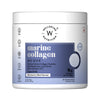 Korean Marine Collagen - Blueberry Mint
₹1,018 – ₹1,993
Korean Marine Collagen - Blueberry Mint
₹1,018 – ₹1,993
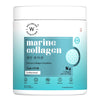 Pure Korean Marine Collagen Peptides | Unflavored | Combat Signs of Ageing
₹1,745 – ₹6,476
Pure Korean Marine Collagen Peptides | Unflavored | Combat Signs of Ageing
₹1,745 – ₹6,476
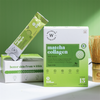 Matcha Collagen
₹1,614
Matcha Collagen
₹1,614