The Essential Checklist: Top Vitamin B12 Fruits & Veggies
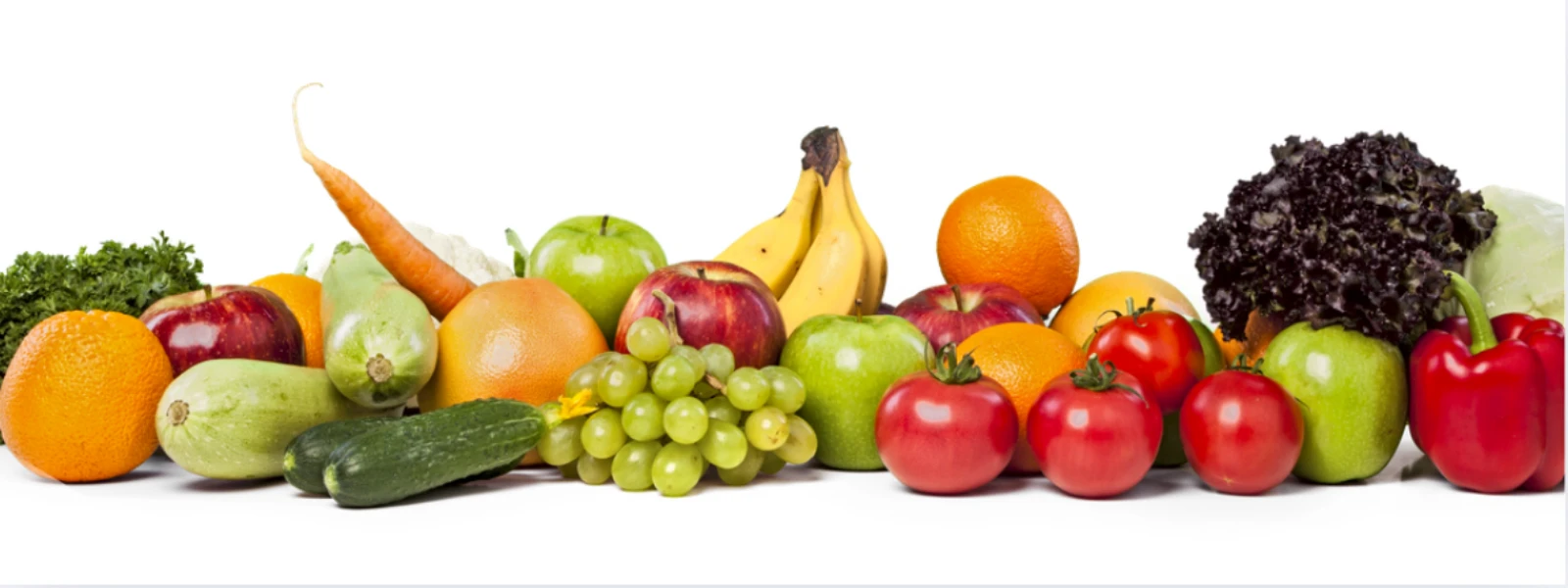


Your skin tells a story about your health, and one chapter that often gets overlooked involves Vitamin B12. While many people search for a comprehensive vitamin B12 fruits list, the truth about B12 in plant foods might surprise you. This essential nutrient plays a crucial role in maintaining healthy, glowing skin, but finding it in fruits and vegetables presents unique challenges worth understanding.
Whether you're dealing with unexplained skin issues or simply want to optimize your nutrition for better skin health, understanding B12 sources can transform your approach to skincare from the inside out. Let's explore the real story behind Vitamin B12, its connection to skin health, and practical strategies for ensuring adequate intake.
Vitamin B12, scientifically known as cobalamin, stands apart from other B vitamins in several important ways. This water-soluble vitamin requires a complex absorption process involving stomach acid and a protein called intrinsic factor. Unlike other vitamins that your body can produce or easily obtain from various sources, B12 primarily comes from animal products and certain fermented foods.
Your body stores B12 in the liver for several years, which explains why deficiency symptoms can take time to appear. This storage system also means that once deficiency develops, it requires consistent effort to restore optimal levels.
Vitamin B12 contributes to skin health through several mechanisms. It supports DNA synthesis and red blood cell formation, ensuring that your skin receives adequate oxygen and nutrients. B12 also plays a role in nerve function, which affects how your skin responds to various stimuli and maintains its protective barrier.
Research shows that B12 deficiency can manifest in various skin symptoms, including hyperpigmentation, nail changes, and even hair loss. The vitamin's involvement in methylation processes affects how your body produces and repairs skin cells, making it essential for maintaining healthy skin appearance and function.
Many online sources claim that certain fruits contain significant amounts of Vitamin B12, but scientific evidence tells a different story. Most fruits contain little to no naturally occurring B12. The confusion often arises from contamination during processing, fortification, or the presence of B12-like compounds that don't provide the same biological benefits as true B12.
True Vitamin B12 requires specific bacterial synthesis that doesn't occur in most plant tissues. While some fermented plant foods may contain B12 due to bacterial activity, the amounts are typically minimal and unreliable for meeting daily nutritional needs.
Plants don't naturally produce Vitamin B12 because they lack the bacterial communities necessary for its synthesis. Even when trace amounts appear in plant foods, they're often in forms that humans cannot effectively absorb or utilize. This biological reality explains why B12 deficiency is more common among people following plant-based diets without proper supplementation.
Did You Know?
Some seaweed varieties like nori contain compounds that mimic B12 but actually block true B12 absorption in the body. This highlights why relying solely on plant sources for B12 can be problematic.
Bananas occasionally show up on vitamin B12 fruits lists, though their B12 content is minimal. A medium banana contains approximately 0.1 micrograms of B12, which represents less than 5% of the daily recommended intake. However, bananas offer other nutrients that support overall health, including potassium, Vitamin B6, and fiber that promotes digestive health.
The B12 found in bananas likely comes from soil bacteria or contamination during handling rather than natural production by the fruit itself. While bananas make excellent additions to a healthy diet, they shouldn't be considered reliable B12 sources.
Blueberries, strawberries, and other berries contain virtually no measurable B12. However, these fruits provide powerful antioxidants that support skin health through different pathways. The Vitamin C in berries helps with collagen synthesis, while anthocyanins protect against oxidative stress that can damage skin cells.
Rather than relying on berries for B12, consider them valuable allies in your overall skin health strategy. Their antioxidant properties complement B12's cellular functions, creating a synergistic effect for skin wellness.
Oranges, lemons, and other citrus fruits don't contain significant B12, but they play an important supporting role. The Vitamin C in citrus fruits can enhance the absorption of various nutrients, including B12 when consumed from other sources. This makes citrus fruits valuable components of a B12-conscious diet.
While fruits may not provide substantial B12, they can help optimize the B12 you get from other sources. Vitamin C helps maintain the stability of B12 in your digestive system and may enhance its absorption. Combining B12-rich foods with Vitamin C sources creates a more effective nutritional strategy.
For example, having citrus fruit with fortified cereals or taking a B12 supplement with orange juice can potentially improve absorption rates. This synergistic approach maximizes the benefit of every microgram of B12 you consume.
B12 absorption depends on adequate stomach acid and intrinsic factor production. Consuming B12 sources with foods that support digestive function can improve uptake. Ginger, which appears in some fruits or can be added to fruit smoothies, may help stimulate digestive processes that support B12 absorption.
Since fruits and vegetables provide minimal B12, understanding primary sources becomes crucial for skin health. Fish, particularly salmon, sardines, and tuna, offer some of the highest B12 concentrations. A 3.5-ounce serving of salmon provides more than 400% of the daily B12 requirement.
Dairy products, eggs, and meat also provide substantial B12 amounts. For those following plant-based diets, fortified foods like nutritional yeast, plant milks, and cereals become essential sources, though supplementation often provides the most reliable approach.
High-quality B12 supplements can effectively prevent deficiency and support skin health. Different forms of B12, including methylcobalamin and cyanocobalamin, offer varying absorption characteristics. Sublingual tablets and liquid forms may provide better absorption for some individuals, particularly those with digestive challenges.
B12 deficiency can manifest through various skin changes that often get attributed to other causes. Hyperpigmentation, particularly on the hands and feet, represents one common sign. You might also notice changes in nail color, with nails becoming darker or developing unusual ridges.
Premature graying of hair, though influenced by genetics, can sometimes indicate B12 deficiency. Pale or yellowish skin tone may also develop as B12 deficiency affects red blood cell production and oxygen delivery to tissues.
If you notice persistent skin changes, fatigue, or neurological symptoms like tingling in hands and feet, consider consulting a healthcare provider. Blood tests can accurately measure B12 levels and identify deficiency before it progresses to more serious complications.
Early intervention makes treatment more effective and can prevent irreversible nerve damage or other complications associated with severe B12 deficiency.
Adults need approximately 2.4 micrograms of B12 daily, though individual requirements may vary based on age, health status, and absorption capacity. Pregnant and breastfeeding women require higher amounts, while older adults may need more due to decreased absorption efficiency.
Creating a sustainable nutrition plan involves combining reliable B12 sources with foods that support overall skin health. This might include B12-rich proteins paired with antioxidant-rich fruits and vegetables that complement B12's skin benefits.
Vegetarians and vegans face unique challenges in meeting B12 requirements since plant foods provide minimal amounts. Regular supplementation becomes essential, along with consistent consumption of fortified foods. Monitoring B12 status through periodic blood tests helps ensure adequate levels.
Even with careful planning, plant-based diets typically require B12 supplementation to prevent deficiency and maintain optimal skin health.
Most fruits contain little to no naturally occurring Vitamin B12. While some sources claim certain fruits like bananas or berries contain B12, the amounts are typically negligible and unreliable for meeting nutritional needs. Any B12 found in fruits usually comes from contamination or processing rather than natural content.
No, you cannot get adequate Vitamin B12 from fruits and vegetables alone. These plant foods lack the bacterial synthesis necessary for B12 production. People following plant-based diets need fortified foods or supplements to prevent B12 deficiency and maintain healthy skin function.
B12 deficiency can cause various skin changes including hyperpigmentation, particularly on hands and feet, pale or yellowish skin tone, and nail discoloration. The vitamin supports DNA synthesis and red blood cell formation, so deficiency affects how well your skin receives oxygen and nutrients needed for healthy appearance and function.
The most effective prevention involves consuming reliable B12 sources like fish, dairy, eggs, or fortified foods regularly. For those on plant-based diets, high-quality supplements provide the most dependable approach. Combining B12 sources with Vitamin C-rich foods may enhance absorption and support overall skin wellness.
B12 supplements can support skin health as part of overall nutritional wellness, but they work best when combined with a balanced diet rich in other skin-supporting nutrients. If you suspect B12 deficiency or follow a plant-based diet, supplements can help maintain adequate levels for healthy skin function, though consulting a healthcare provider helps determine individual needs.
While the search for a comprehensive vitamin B12 fruits list may lead to disappointing results, understanding the true nature of B12 sources empowers better nutritional choices for skin health. Fruits and vegetables, though minimal in B12 content, play valuable supporting roles through their antioxidants and vitamins that enhance overall skin wellness. The key lies in combining reliable B12 sources with nutrient-dense plant foods that work synergistically to support healthy, glowing skin. Whether through carefully planned dietary choices or quality supplementation, ensuring adequate B12 intake represents an important step in your journey toward optimal skin health and overall wellness.



