Unlock the Power of Plant Protein: What Wellness Experts Want You to Know?
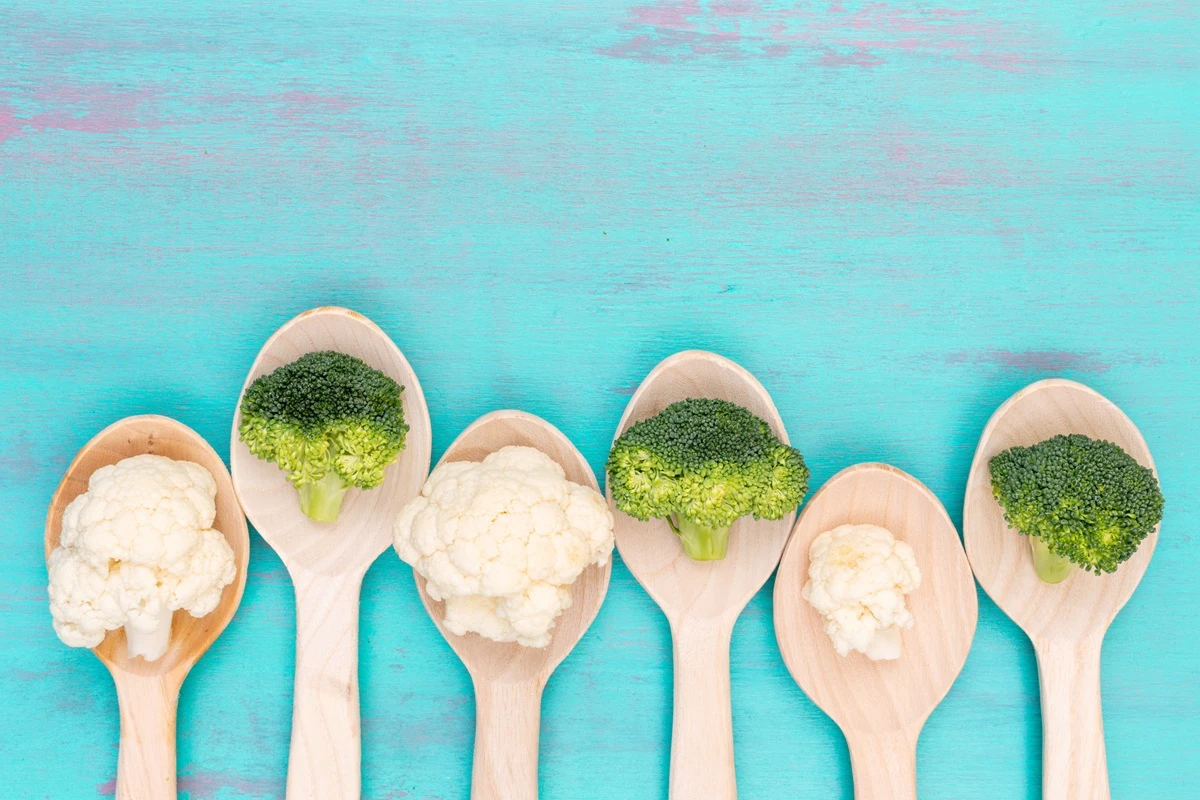


The world of nutrition is experiencing a significant shift toward plant-based eating, with plant protein leading this transformation. As more people discover the remarkable benefits of vegetable protein sources, experts are revealing how these nutrient-dense options can revolutionize both our health and beauty routines. Understanding the science behind plant protein and its impact on our bodies opens doors to better skin health, enhanced vitality, and sustainable nutrition choices.
This comprehensive exploration will guide you through the fascinating world of plant-based protein, examining everything from natural food sources to specialized protein supplements. You'll discover how incorporating the right protein-rich foods into your diet can support not just muscle health, but also contribute to radiant skin and overall well-being.
Plant protein comes from various sources, each offering unique nutritional profiles and health benefits. Legumes like beans, lentils, and chickpeas provide substantial amounts of protein while delivering fiber and essential minerals. A single cup of cooked lentils contains approximately 18 grams of protein, making them an excellent foundation for any high-protein diet.
Nuts and seeds represent another powerhouse category of plant-based protein. Almonds, hemp seeds, and chia seeds not only provide protein but also deliver healthy fats that support skin health and hormone production. These foods contain amino acids that serve as building blocks for collagen synthesis, directly benefiting skin appearance and elasticity.
Quinoa stands out as a complete protein source, containing all nine essential amino acids your body cannot produce on its own. This ancient grain provides about 8 grams of protein per cooked cup, along with fiber and B vitamins that support energy metabolism.
Green vegetables like spinach, broccoli, and Brussels sprouts contribute meaningful amounts of protein while providing antioxidants that protect skin cells from oxidative stress. These vegetables work synergistically with other protein sources to create a comprehensive nutritional profile.
Did You Know?
Hemp seeds contain all 20 amino acids, including the 9 essential ones your body cannot produce. Just 3 tablespoons provide 10 grams of complete protein along with omega-3 fatty acids that support skin hydration and reduce inflammation.
The connection between protein intake and skin health runs deeper than many realize. Plant-based proteins provide amino acids necessary for collagen production, the protein responsible for skin firmness and elasticity. Unlike some animal proteins, plant proteins come packaged with antioxidants and phytochemicals that offer additional skin protection.
Research indicates that certain plant proteins contain specific amino acids like glycine and proline, which are particularly important for collagen synthesis. When combined with Vitamin C from plant sources, these amino acids become even more effective at supporting skin structure and appearance.
Vegan proteins often contain natural compounds that combat aging at the cellular level. Soy protein, for example, contains isoflavones that may help maintain skin thickness and moisture levels. Pea protein provides arginine, an amino acid that supports circulation and wound healing.
The antioxidant properties found in many plant protein sources help neutralize free radicals that accelerate skin aging. This dual benefit of protein provision and antioxidant protection makes plant-based options particularly valuable for those focused on skin health and beauty.
Successfully incorporating plant protein into your daily routine requires understanding both quantity and quality. Most adults need approximately 0.8 grams of protein per kilogram of body weight, though active individuals may require more. The key lies in combining different plant protein sources throughout the day to ensure complete amino acid profiles.
Protein powder supplements can bridge gaps in your daily protein intake, especially for those with busy lifestyles or specific fitness goals. Plant-based protein powders derived from peas, rice, or hemp offer convenient options that blend well into smoothies, oatmeal, or baked goods.
Creating meals that maximize plant protein absorption involves pairing complementary proteins. Combining beans with rice, or nuts with seeds, creates complete amino acid profiles that rival animal protein sources. This approach ensures your body receives all necessary building blocks for optimal health and skin function.
Timing your protein intake throughout the day supports steady amino acid availability for ongoing cellular repair and regeneration. Spreading protein consumption across meals rather than consuming large amounts at once promotes better absorption and utilization.
Nutritional scientists continue to uncover compelling evidence supporting plant protein's effectiveness for both health and beauty applications. Recent studies demonstrate that plant-based diets rich in diverse protein sources can support muscle synthesis as effectively as traditional animal-based approaches when properly planned.
Dermatologists increasingly recognize the role of nutrition in skin health, with many noting improvements in skin texture and appearance among patients who adopt plant-rich diets. The anti-inflammatory properties of many plant proteins may contribute to clearer, more radiant skin over time.
Clinical research reveals that plant proteins often provide additional benefits beyond basic protein function. Many contain fiber that supports gut health, which directly impacts skin appearance through the gut-skin axis. This connection highlights how plant protein sources offer comprehensive wellness benefits.
Studies examining protein for skin applications show that plant-based options can support collagen production while providing protective compounds that animal proteins lack. This combination makes plant protein particularly valuable for those prioritizing both health and beauty outcomes.
Yes, by combining different plant protein sources throughout the day, you can obtain all essential amino acids. Foods like quinoa, hemp seeds, and chia seeds are complete proteins on their own, while combining legumes with grains creates complete amino acid profiles.
Most adults benefit from 0.8-1.2 grams of protein per kilogram of body weight daily. For skin health specifically, focus on consistent daily intake rather than large amounts at once, as your body can only utilize a certain amount of protein at one time for collagen synthesis.
Plant protein supplements can effectively complement whole food sources, especially when dietary protein needs are difficult to meet through food alone. However, whole foods provide additional nutrients like fiber, vitamins, and antioxidants that supplements may lack.
Soy protein, pea protein, and hemp protein are particularly rich in amino acids like glycine, proline, and hydroxyproline that support collagen synthesis. Combining these with Vitamin C-rich foods enhances collagen production even further.
Many people notice improvements in skin clarity and texture when adopting plant-rich diets, likely due to the anti-inflammatory properties and antioxidants found in plant protein sources. Results typically become noticeable after several weeks of consistent intake.
Plant protein represents a powerful tool for supporting both overall health and skin beauty through its unique combination of essential amino acids, antioxidants, and anti-inflammatory compounds. The growing body of research supporting plant-based nutrition demonstrates that these protein sources can effectively meet your body's needs while providing additional benefits that extend far beyond basic nutrition. Whether you choose whole food sources, protein-rich foods, or carefully selected supplements, incorporating diverse plant proteins into your daily routine offers a sustainable path toward optimal health and radiant skin. Exploring the world of plant-based nutrition opens doors to discovering how proper protein intake can transform both how you feel and how you look.




Someone sent you
Powered by ReferRush


