What Happens When Your Skin Lacks Hydration?
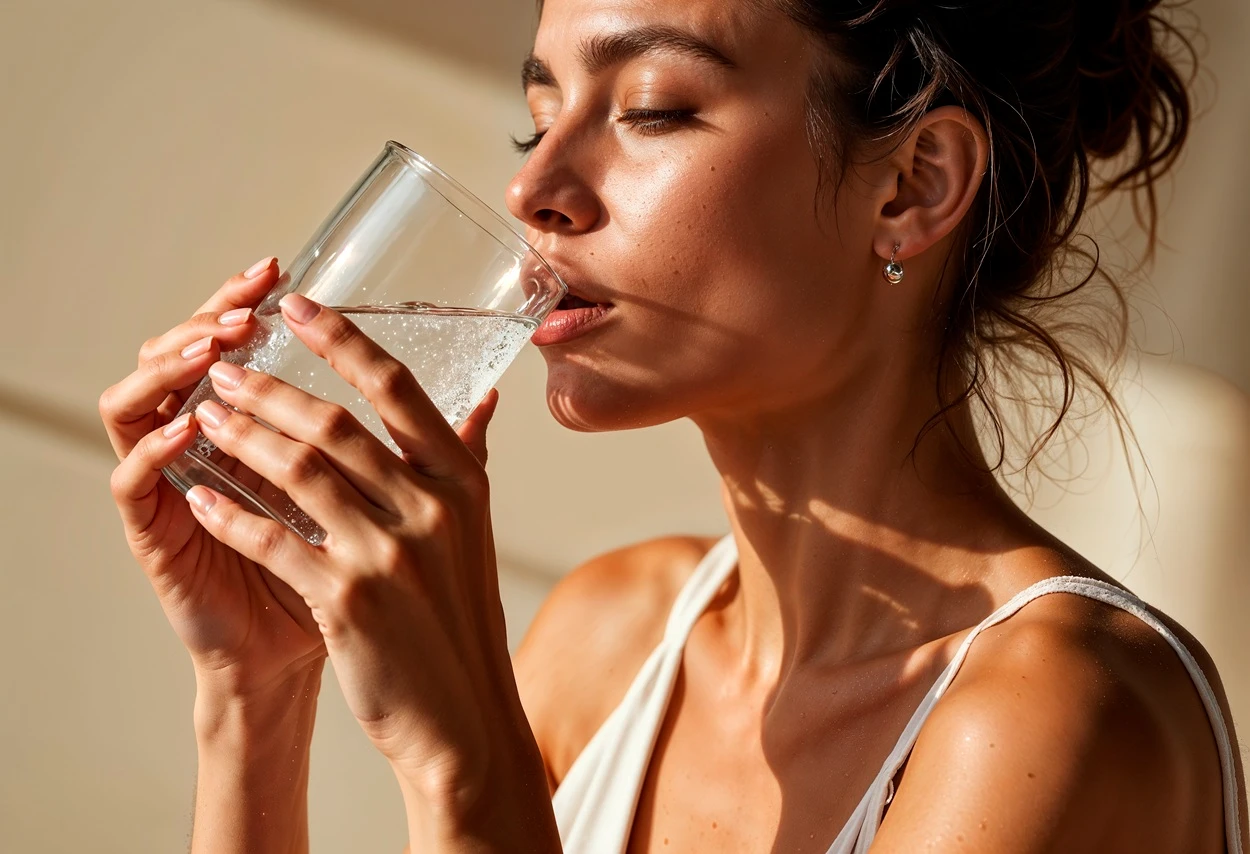


Picture this: you wake up, look in the mirror, and notice your skin appears dull, tight, and somehow older than it did just yesterday. What you're witnessing isn't just a bad skin day—it's your skin's desperate cry for hydration. Skin hydration is far more complex than simply applying moisturizer; it's a sophisticated biological process that affects everything from your skin's protective barrier to its ability to repair itself overnight.
This comprehensive guide will decode the science behind what happens when your skin lacks adequate hydration, revealing the cascade of effects that occur beneath the surface. You'll discover the critical difference between dry and dehydrated skin, learn to identify the warning signs your skin is sending, and master evidence-based strategies to restore optimal hydration levels. By the end of this post, you'll understand exactly how to transform lackluster, compromised skin into a healthy, resilient complexion that radiates natural vitality.
Your skin operates like a sophisticated water management facility, with multiple layers working in harmony to maintain optimal hydration levels. The stratum corneum, your skin's outermost layer, contains specialized proteins called natural moisturizing factors (NMFs) that can hold up to 1,000 times their weight in water. These include amino acids, urea, and lactic acid—nature's own humectants that draw moisture from the environment and deeper skin layers.
The skin barrier consists of lipid bilayers made up of ceramides, cholesterol, and fatty acids arranged in a brick-and-mortar structure. When functioning optimally, this barrier prevents trans-epidermal water loss while allowing beneficial ingredients to penetrate. A compromised skin barrier can increase water loss significantly, creating a cascade of skin concerns that extend far beyond surface dryness.
Aquaporins are specialized water channels discovered in skin cells that facilitate rapid water transport. These microscopic tunnels, particularly aquaporin-3, are crucial for maintaining skin elasticity and cellular renewal. When hydration levels drop, aquaporin function becomes impaired, leading to decreased cellular turnover and compromised skin repair mechanisms.
Dehydrated skin manifests through several distinct visual cues that differ from genetic dryness. Fine lines become more pronounced, particularly around the eyes and mouth, while skin tone appears uneven with a lackluster finish. The skin may also exhibit a "crepey" texture, where it looks slightly wrinkled even when facial muscles are relaxed.
Beyond visual changes, dehydrated skin creates uncomfortable physical sensations. Tightness, especially after cleansing, is one of the earliest warning signs. The skin may feel rough to the touch, with areas of flakiness or scaling. Many people report increased sensitivity to products they previously tolerated well, as the compromised barrier allows irritants to penetrate more easily.
The pinch test remains a reliable method for assessing skin hydration. Gently pinch the skin on the back of your hand; well-hydrated skin snaps back immediately, while dehydrated skin takes several seconds to return to its normal position. Additionally, observing how your skin responds to gentle pressure can reveal hydration levels—properly hydrated skin bounces back quickly and maintains its plumpness.
Adequate skin hydration is essential for optimal collagen synthesis. When skin lacks moisture, fibroblast activity decreases significantly, reducing the production of both collagen and elastin. Chronically dehydrated skin shows reduced collagen production compared to well-hydrated skin, directly contributing to premature aging and loss of skin firmness.
Skin elasticity depends on the harmonious interaction between collagen fibers, elastin, and adequate hydration levels. When water content drops below optimal levels, these protein structures become rigid and less flexible. This rigidity manifests as decreased skin bounce-back, increased susceptibility to wrinkle formation, and an overall loss of youthful resilience.
Proper hydration is crucial for maintaining healthy cellular turnover rates. Dehydrated skin experiences slower cell renewal, leading to a buildup of dead skin cells on the surface. This accumulation creates a dull, rough texture while impeding the skin's natural repair processes. Additionally, DNA repair mechanisms function less efficiently in dehydrated cells, potentially accelerating photoaging and environmental damage.
When skin hydration levels drop, the lipid matrix that forms your protective barrier becomes compromised. The carefully organized structure of ceramides, cholesterol, and fatty acids begins to break down, creating microscopic gaps that allow irritants to penetrate while permitting essential moisture to escape. This creates a vicious cycle where barrier damage leads to further dehydration.
A compromised skin barrier due to poor hydration leaves your skin vulnerable to environmental aggressors including pollution, UV radiation, and harsh weather conditions. Dehydrated skin experiences increased oxidative stress from environmental pollutants compared to well-hydrated skin, accelerating aging and increasing inflammation.
Chronic dehydration triggers low-grade inflammation in skin tissues. This inflammatory response activates enzymes that break down collagen and elastin while promoting the production of inflammatory mediators. The result is a self-perpetuating cycle where dehydration causes inflammation, which further impairs the skin's ability to retain moisture.
Did You Know? Hydration Insight
Your skin loses approximately 300-400ml of water daily through trans-epidermal water loss, even when you're not actively sweating. This natural process increases dramatically in low-humidity environments, air-conditioned spaces, and during sleep when your skin's repair mechanisms are most active.
Effective hydrating skincare relies on three categories of ingredients: humectants, emollients, and occlusives. Humectants like hyaluronic acid and glycerin draw moisture from the environment and deeper skin layers. Emollients such as squalane and ceramides smooth and soften the skin while filling gaps in the barrier. Occlusives like petrolatum and dimethicone create a protective seal to prevent water loss.
The order of product application significantly impacts hydration effectiveness. Start with the thinnest consistency products and progress to thicker formulations. Apply hydrating serums to slightly damp skin to enhance absorption, followed by moisturizing treatments that contain both humectants and emollients. Finish with an occlusive layer if your skin requires additional protection against water loss.
External moisturizing efforts must be supported by adequate internal hydration and proper nutrition. Drinking sufficient water provides the foundation for skin hydration. Additionally, consuming foods rich in omega-3 fatty acids, Vitamin C, and antioxidants supports skin barrier function and moisture retention from within. Superior ingredients, highly absorbable formats, and palatable flavors make it easier to maintain consistent nutritional support for skin health, whether through food sources or quality supplements designed to complement your hydrating skincare routine.
Environmental factors play a crucial role in skin hydration levels. Low humidity environments, whether from heating systems, air conditioning, or natural climate conditions, can increase trans-epidermal water loss significantly. Wind exposure, extreme temperatures, and high altitudes also challenge your skin's ability to maintain optimal moisture levels.
Nutritional choices directly impact skin hydration from within. Foods high in essential fatty acids, such as salmon, avocados, and nuts, support skin barrier function and moisture retention. Conversely, excessive alcohol consumption, high sodium intake, and processed foods can contribute to dehydration and inflammation that compromises skin health.
Quality sleep is essential for skin hydration, as nighttime is when your skin undergoes its most intensive repair and renewal processes. Chronic stress elevates cortisol levels, which can impair skin barrier function and increase inflammation. Poor sleep quality and high stress levels create a perfect storm for compromised skin hydration and accelerated aging.
Restoring dehydrated skin typically takes 2-4 weeks of consistent hydrating skincare routine. You may notice initial improvements in skin texture and comfort within 3-7 days, but complete barrier repair and optimal hydration levels require sustained effort. Severely dehydrated skin may take 6-8 weeks to fully recover with proper treatment.
While it's difficult to truly over-hydrate skin, using excessive amounts of heavy moisturizers can clog pores and create a barrier that prevents natural skin functions. The key is finding the right balance of ingredients and application amounts for your specific skin type and environmental conditions.
Yes, dry skin is a genetic skin type characterized by low sebum production, while dehydrated skin is a temporary condition caused by lack of water. Dry skin needs oil-based products to supplement natural sebum, whereas dehydrated skin requires water-based hydrating treatments and barrier repair ingredients.
Tightness after cleansing typically indicates either over-cleansing, using products with too high a pH, or underlying dehydration. Even gentle cleansers can disrupt the skin's natural pH balance temporarily. Follow cleansing immediately with a hydrating toner or serum to restore comfort and prevent moisture loss.
While adequate water intake is essential for overall health, drinking excessive water won't directly improve skin hydration if you're already properly hydrated. Topical hydrating skincare products are more effective for addressing skin-specific hydration needs, though internal hydration provides the foundation for healthy skin function.
Understanding what happens when your skin lacks hydration reveals the intricate connection between moisture levels and overall skin health. From compromised barrier function to accelerated aging, dehydration creates a cascade of effects that extend far beyond surface dryness.
The key to maintaining healthy, resilient skin lies in recognizing the early warning signs of dehydration and implementing a comprehensive approach that addresses both internal and external hydration needs. By incorporating evidence-based hydrating skincare ingredients, adjusting your routine to environmental factors, and supporting your skin's natural moisture retention mechanisms, you can restore and maintain optimal hydration levels.
Remember that consistency and patience are essential—true skin transformation occurs gradually as your barrier repairs and cellular functions normalize. We invite you to explore our range of scientifically-formulated solutions designed to support your skin's natural moisture balance and promote long-term wellness through superior ingredients and innovative formulations.




Someone sent you
Powered by ReferRush


