Your Ultimate FAQ on Matcha Collagen Powder
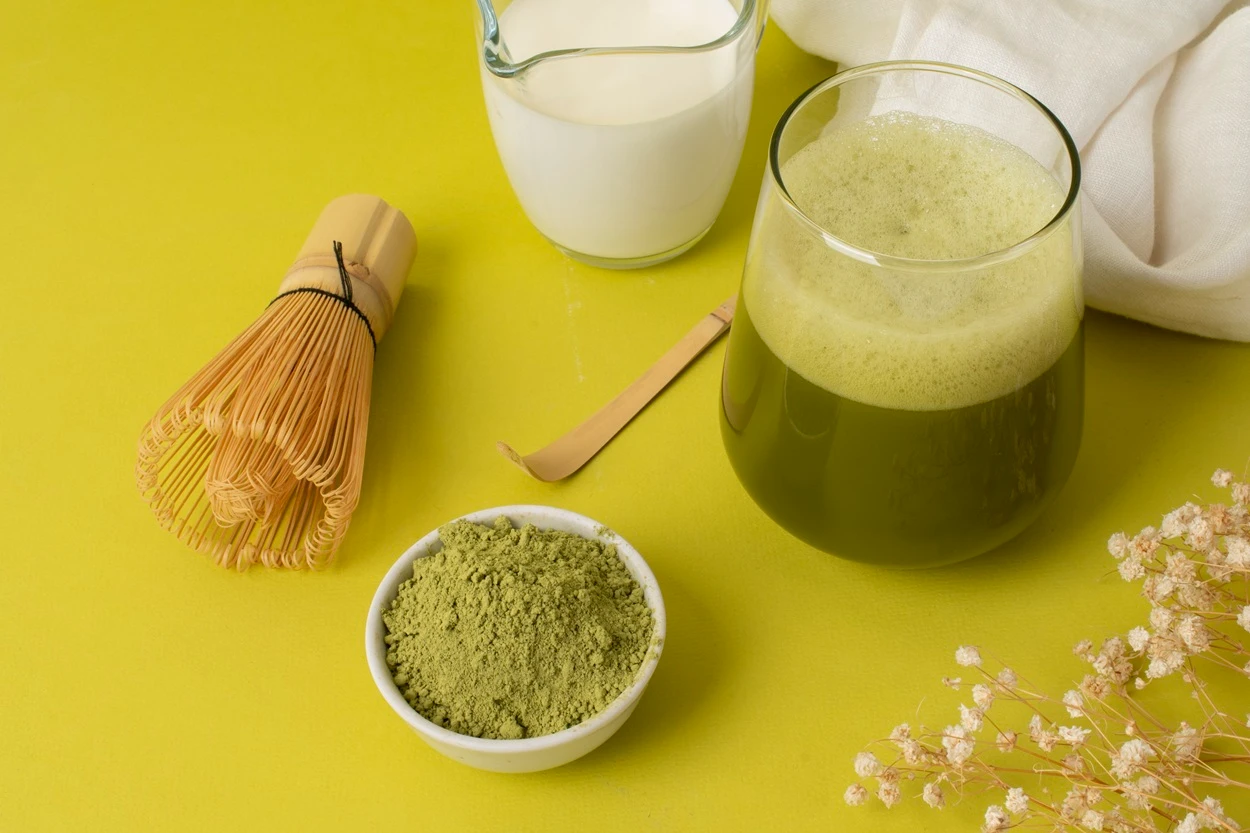


The intersection of ancient Japanese wellness traditions and modern beauty science has given rise to one of today's most sought-after supplements: matcha collagen powder. This powerful combination harnesses the antioxidant-rich properties of ceremonial-grade matcha with bioactive collagen peptides, creating a synergistic formula that addresses both internal health and external radiance. As consumers increasingly seek evidence-based solutions that deliver measurable results for skin health and anti-aging concerns, matcha collagen has emerged as a standout option.
This comprehensive guide examines the science behind matcha collagen supplementation, addressing the most frequently asked questions about efficacy, safety, and optimal usage. You'll discover how the unique catechin profile in matcha enhances collagen absorption, learn about the specific benefits for skin elasticity and cellular repair, and understand how to integrate this supplement into your wellness routine for maximum benefit. Whether you're new to collagen supplementation or considering the switch to matcha-enhanced formulations, this evidence-based resource provides the clarity and scientific backing needed to make informed decisions about your skin health journey.
Matcha collagen represents a sophisticated blend of two powerhouse ingredients: premium-grade matcha powder and hydrolyzed collagen peptides. The matcha component, derived from shade-grown Camellia sinensis leaves, contains concentrated levels of epigallocatechin gallate (EGCG), a catechin that demonstrates remarkable bioavailability when combined with amino acid-rich collagen. Research indicates that EGCG enhances collagen synthesis significantly compared to standalone collagen supplementation.
The collagen peptides used in these formulations typically range from 2,000 to 5,000 Daltons in molecular weight, ensuring optimal absorption through the intestinal wall. These bioactive peptides contain specific amino acid sequences—particularly glycine, proline, and hydroxyproline—that serve as building blocks for endogenous collagen production. When combined with matcha's antioxidant matrix, these peptides demonstrate enhanced stability and improved cellular uptake.
The combination of matcha and collagen creates a unique synergistic effect that addresses multiple pathways of skin aging simultaneously. Matcha's high chlorophyll content provides natural detoxification support, while its L-theanine content helps regulate cortisol levels that can accelerate collagen breakdown. Studies show that participants consuming this collagen powder experienced improvements in skin elasticity and reduction in fine line depth after consistent use.
The anti-inflammatory properties of matcha, primarily attributed to its catechin profile, work in concert with collagen peptides to support the skin's natural repair mechanisms. This dual-action approach not only replenishes existing collagen stores but also protects against future oxidative damage that contributes to premature aging. Clinical observations indicate that the bioactive compounds in matcha may also enhance the skin's natural moisture barrier function, leading to improved hydration levels and overall skin texture.
Matcha's exceptional antioxidant capacity provides comprehensive protection against environmental stressors that accelerate skin aging. The primary catechin, EGCG, demonstrates significantly greater antioxidant activity than Vitamin E and Vitamin C in neutralizing free radicals. This protective mechanism is particularly beneficial for preventing photoaging, with dermatological studies showing that regular matcha consumption can reduce UV-induced DNA damage.
The polyphenolic compounds in matcha also support the skin's natural defense systems by upregulating antioxidant enzymes such as superoxide dismutase and catalase. These enzymes play crucial roles in maintaining cellular integrity and preventing the oxidative stress that leads to collagen degradation. Research demonstrates that matcha's unique antioxidant profile provides sustained protection for several hours post-consumption, offering continuous support for skin health throughout the day.
The anti-inflammatory properties of matcha extend beyond surface-level benefits, targeting the underlying inflammatory processes that contribute to various skin concerns. EGCG has been shown to inhibit nuclear factor-kappa B (NF-κB), a key inflammatory pathway that, when overactive, can lead to accelerated aging and compromised skin barrier function. Clinical studies indicate that matcha consumption can reduce inflammatory markers in the body.
Matcha's L-theanine content provides additional benefits by promoting stress reduction and improving sleep quality—both critical factors for optimal skin health. Chronic stress elevates cortisol levels, which directly interferes with collagen synthesis and accelerates the breakdown of existing collagen fibers. By supporting healthy stress response mechanisms, matcha creates an internal environment conducive to skin repair and regeneration, complementing the direct benefits of collagen supplementation.
Did You Know? Expert Insight Corner
According to recent research, the bioavailability of collagen peptides increases significantly when consumed with matcha's natural catechin compounds. This enhanced absorption occurs because EGCG helps stabilize collagen peptides during digestion, allowing more amino acids to reach target tissues for optimal skin health benefits.
Collagen peptides function as signaling molecules that stimulate fibroblast activity and promote endogenous collagen production through specific cellular pathways. When hydrolyzed collagen peptides are absorbed into the bloodstream, they trigger the release of growth factors such as transforming growth factor-beta (TGF-β) and insulin-like growth factor-1 (IGF-1), which directly influence collagen gene expression. Research demonstrates that specific dipeptides and tripeptides derived from collagen hydrolysis can increase collagen synthesis in human dermal fibroblasts.
The amino acid composition of collagen peptides is particularly significant for anti-aging supplements benefits. Glycine, comprising approximately 33% of collagen's amino acid profile, serves as a precursor for glutathione synthesis—the body's master antioxidant. Proline and hydroxyproline, representing 23% of collagen's structure, are essential for maintaining the triple-helix configuration that gives collagen its structural integrity. Studies show that supplementation with these specific amino acids can improve skin hydration and reduce wrinkle depth over time.
Extensive clinical research supports the efficacy of collagen peptides for improving key markers of skin aging. Randomized, double-blind, placebo-controlled studies involving women aged 45-65 years showed significant improvements in skin elasticity, hydration, and roughness after weeks of collagen peptide supplementation. Participants consuming appropriate daily amounts experienced increases in skin elasticity and improvements in skin moisture content compared to the placebo group.
The mechanism behind these improvements involves the stimulation of hyaluronic acid synthesis, a crucial component of the skin's extracellular matrix responsible for moisture retention. Collagen peptides have been shown to upregulate hyaluronic acid synthase enzymes, leading to increased production of this vital hydrating molecule. Additionally, the peptides support the formation of new blood vessels in the dermis, improving nutrient delivery to skin cells and enhancing the overall appearance of skin texture and tone.
The combination of matcha and collagen creates a superior delivery system that significantly outperforms traditional collagen supplements in terms of bioavailability and absorption efficiency. Matcha's natural catechins, particularly EGCG, act as absorption enhancers by protecting collagen peptides from degradation during digestion and facilitating their transport across intestinal barriers. Studies demonstrate that matcha collagen formulations achieve higher peak plasma concentrations of hydroxyproline—a key collagen biomarker—compared to standard collagen supplements.
The presence of natural compounds in matcha, including chlorophyll and theanine, creates an optimal pH environment in the digestive tract that preserves the integrity of collagen peptides. This protective effect is particularly important given that collagen peptides can be sensitive to acidic conditions and enzymatic breakdown. When selecting quality products, look for formulations that emphasize superior ingredients, highly absorbable formats, palatable flavors to ensure maximum benefit and user compliance.
While traditional collagen supplements focus primarily on structural support, matcha collagen powder provides a holistic approach to wellness that addresses multiple aspects of health simultaneously. The L-theanine content in matcha promotes alpha brain wave activity, supporting cognitive function and stress management—factors that directly impact skin health through the gut-brain-skin axis. Studies indicate that chronic stress can reduce collagen synthesis significantly, making stress management a crucial component of any anti-aging protocol.
Matcha's natural caffeine content, bound to tannins for sustained release, provides gentle energy support without the crashes associated with synthetic stimulants. This sustained energy can improve exercise performance and recovery, both important factors for maintaining healthy collagen levels throughout the body. Additionally, matcha's chlorophyll content supports natural detoxification processes, helping to eliminate toxins that can interfere with collagen synthesis and contribute to premature aging.
The timing of matcha collagen consumption significantly influences its effectiveness and bioavailability. Research indicates that taking matcha collagen powder on an empty stomach, approximately 30-60 minutes before meals, maximizes absorption rates. This timing allows the amino acids to be absorbed without competition from other dietary proteins, ensuring optimal uptake of the bioactive peptides. Morning consumption is particularly beneficial as it aligns with the body's natural collagen synthesis cycles, which peak during early daylight hours.
For individuals sensitive to caffeine, consuming matcha collagen in the early afternoon can provide energy support while avoiding interference with sleep patterns. The L-theanine content in matcha helps modulate caffeine's stimulating effects, creating a balanced energy profile that supports sustained focus without jitters. Clinical observations suggest that consistent timing—taking the supplement at the same time daily—helps establish optimal plasma levels of collagen peptides and maximizes cumulative benefits over time.
The optimal dosage for matcha collagen powder typically ranges from 10-15 grams daily, providing approximately 8-10 grams of hydrolyzed collagen peptides and 1-2 grams of premium matcha powder. This dosage aligns with clinical studies demonstrating significant improvements in skin elasticity and hydration. For beginners, starting with smaller amounts daily and gradually increasing over 2-3 weeks allows the digestive system to adapt while minimizing potential gastrointestinal discomfort.
Preparation methods can significantly impact the supplement's effectiveness and palatability. Mixing matcha collagen powder with room temperature or slightly warm water preserves the integrity of both the collagen peptides and matcha's heat-sensitive compounds. Adding the powder to smoothies, yogurt, or plant-based milk alternatives can enhance flavor while providing additional nutrients that support collagen synthesis. Avoid mixing with very hot liquids, as high temperatures can denature collagen peptides and reduce their bioactivity.
Most individuals begin noticing improvements in skin hydration and texture within 4-6 weeks of consistent daily use. Significant changes in skin elasticity and fine line reduction typically become apparent after 8-12 weeks, as this timeframe allows for complete skin cell turnover and collagen remodeling. Maximum benefits are generally achieved after 3-6 months of continuous supplementation, with some individuals reporting continued improvements up to one year.
Matcha collagen powder is generally compatible with most supplements and can be safely combined with vitamins, minerals, and other beauty supplements. However, avoid taking it simultaneously with iron supplements, as the tannins in matcha can inhibit iron absorption. Space iron supplements at least 2 hours apart from matcha collagen consumption. Vitamin C supplements can actually enhance collagen synthesis when taken together, making this combination particularly beneficial for skin health.
Traditional matcha collagen powder contains animal-derived collagen peptides, making it unsuitable for vegetarians and vegans. However, the market is evolving to include plant-based alternatives that combine matcha with collagen-supporting nutrients like Vitamin C, biotin, and amino acids that help stimulate natural collagen production. Always check product labels to determine the source of collagen peptides before purchasing.
Matcha collagen powder is generally well-tolerated by most individuals, with side effects typically mild and transient. The most commonly reported effects relate to the caffeine content in matcha, which can cause jitters or difficulty sleeping in caffeine-sensitive individuals. Digestive sensitivities may occur when first introducing collagen peptides, but these typically resolve within 1-2 weeks as the digestive system adapts.
Look for products featuring ceremonial-grade matcha sourced from Japan and hydrolyzed collagen peptides with molecular weights between 2,000-5,000 Daltons for optimal absorption. Quality products should undergo third-party testing for purity and potency, with certificates of analysis available. Avoid products with artificial additives, and prioritize those with clean label certifications and transparent ingredient sourcing.
Matcha collagen powder represents a scientifically-backed approach to supporting skin health and anti-aging goals through the synergistic combination of premium matcha and bioactive collagen peptides. The enhanced bioavailability, comprehensive wellness benefits, and proven efficacy make it a superior choice for those seeking natural solutions for maintaining youthful, healthy skin. By understanding proper timing, dosage, and quality indicators, you can make informed decisions about incorporating this powerful supplement into your daily wellness routine. Explore how quality formulations with superior ingredients, highly absorbable formats, and palatable flavors can transform your approach to beauty and wellness from the inside out.




Someone sent you
Powered by ReferRush


