Collagen Synthesis: Natural vs Synthetic Sources
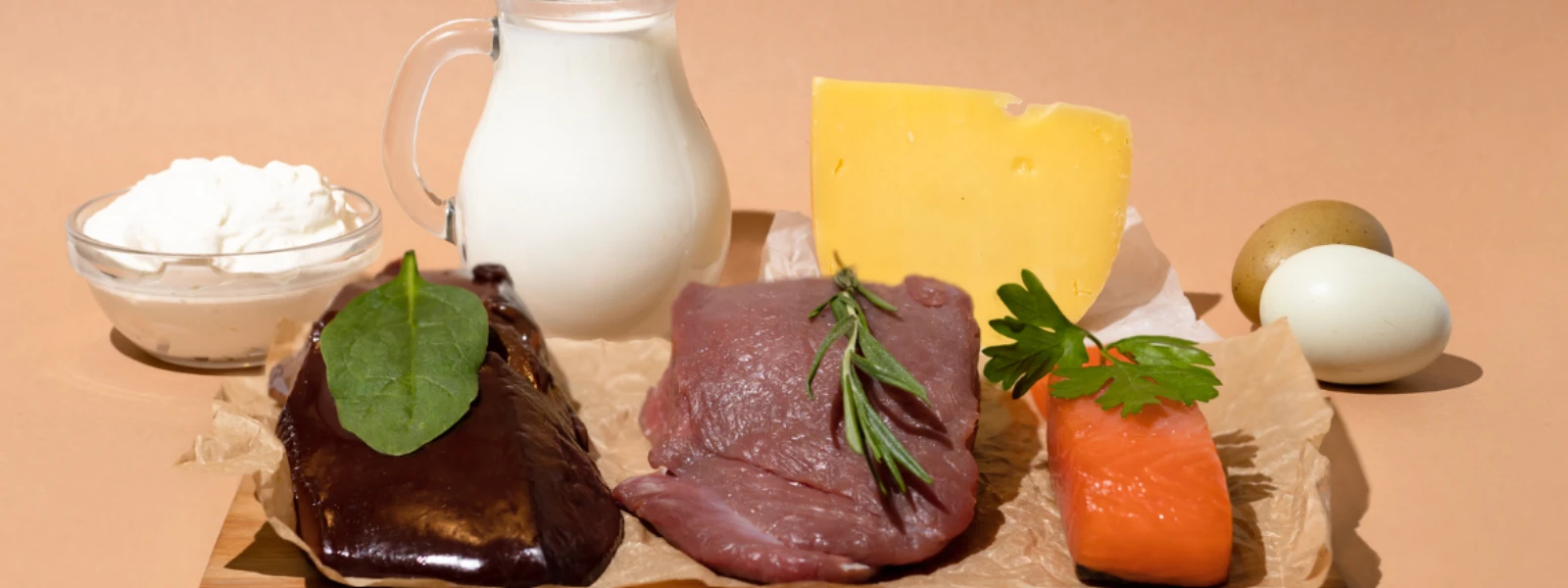


Your body produces collagen naturally every single day, but did you know that this process becomes less efficient as you age? Understanding how collagen is made—both naturally in your body and synthetically in supplements—can help you make informed decisions about supporting your skin, joints, and overall health. This comprehensive guide explores the fascinating world of collagen synthesis, comparing natural production methods with synthetic alternatives to give you the complete picture.
Collagen is the most abundant protein in your body, making up about 30% of all proteins. Think of it as the scaffolding that holds your body together. This structural protein forms the foundation of your skin, bones, tendons, ligaments, and blood vessels.
Scientists have identified 28 different types of collagen, but three main types do most of the heavy lifting:
Type I collagen makes up 90% of your body's collagen. It provides structure to your skin, bones, tendons, and organs. This is the type most commonly found in supplements.
Type II collagen is found mainly in cartilage. It helps cushion your joints and keeps them moving smoothly.
Type III collagen supports the structure of muscles, organs, and arteries. It often works alongside Type I collagen.
Your body's natural collagen production peaks in your twenties and then declines by about 1% each year. By age 40, you've lost roughly 20% of your collagen production capacity. This decline explains why skin becomes less firm and joints may feel stiffer over time.
Collagen synthesis is a complex process that happens inside specialized cells called fibroblasts. Here's how your body creates this essential protein:
Your body starts with three key amino acids: glycine, proline, and hydroxyproline. Glycine makes up every third amino acid in the collagen chain, while proline and hydroxyproline provide stability. These amino acids come from the protein you eat or from your body's own amino acid pool.
Inside the cell's endoplasmic reticulum, these amino acids link together to form long chains called alpha chains. Three of these chains twist together to create procollagen, the precursor to mature collagen.
This step requires Vitamin C as a crucial cofactor. Without adequate Vitamin C, your body cannot properly modify proline into hydroxyproline. This is why Vitamin C deficiency leads to scurvy, a disease characterized by weak collagen and connective tissue problems.
The three alpha chains wind around each other to form collagen's signature triple helix structure. This unique shape gives collagen its incredible strength—it's stronger than steel wire of the same thickness.
The cell releases procollagen into the extracellular space, where enzymes cut off the ends to create tropocollagen. These molecules then align and cross-link to form collagen fibrils and eventually mature collagen fibers.
Did You Know?
Your body needs Vitamin C, zinc, copper, and manganese to make collagen effectively. Without these nutrients, collagen synthesis slows down significantly, which is why a balanced diet is crucial for healthy skin and joints.
Natural collagen formation depends on having the right building blocks available. Your body needs specific amino acids for collagen synthesis:
Glycine is the most abundant amino acid in collagen, making up about one-third of the structure. Your body can make some glycine, but you may need additional amounts from food sources like bone broth, gelatin, and certain meats.
Proline helps stabilize the collagen structure. You can find proline in egg whites, meat, cheese, and soy products.
Hydroxyproline is created from proline during collagen synthesis and is rarely found in other proteins. This makes collagen unique among proteins.
Beyond amino acids, several nutrients act as cofactors in collagen production:
Vitamin C is absolutely essential for collagen synthesis. It helps convert proline to hydroxyproline and supports the formation of stable collagen fibers. Citrus fruits, berries, and leafy greens are excellent sources.
Zinc activates enzymes needed for collagen synthesis. You can find zinc in oysters, beef, pumpkin seeds, and chickpeas.
Copper helps cross-link collagen fibers, making them stronger. Good sources include shellfish, nuts, and dark chocolate.
Synthetic collagen production follows a completely different process from natural synthesis. Here's how manufacturers create collagen supplements:
Most collagen supplements start with animal sources. Bovine collagen comes from cow hides and bones, marine collagen from fish skin and scales, and porcine collagen from pig skin. Each source provides different types of collagen with varying amino acid profiles.
Manufacturers use either acid or alkaline processing to extract collagen from raw materials. Acid processing typically takes several weeks and produces Type I collagen. Alkaline processing is faster but may alter the collagen structure slightly.
The extracted collagen undergoes hydrolysis, where enzymes break down the large collagen molecules into smaller fragments called collagen peptides. These smaller pieces are easier for your body to absorb and use.
The hydrolyzed collagen goes through multiple purification steps to remove impurities, heavy metals, and potential contaminants. Quality manufacturers test for purity, potency, and safety at multiple stages.
The purified collagen peptides are then dried into powder form or encapsulated. Some manufacturers add other ingredients like Vitamin C or hyaluronic acid to support collagen synthesis.
Both natural and synthetic approaches have their advantages and considerations:
Bone broth provides collagen along with other beneficial compounds like glycosaminoglycans and minerals. However, the collagen content varies significantly depending on preparation methods.
Collagen-rich foods like fish with skin, chicken with cartilage, and egg whites provide collagen precursors. These foods also offer other nutrients that support overall health.
Plant-based collagen boosters don't contain collagen directly but provide the nutrients your body needs to make its own. Foods rich in Vitamin C, zinc, and amino acids fall into this category.
Marine collagen supplements typically have smaller peptide sizes, which may improve absorption. They're also free from land animal concerns for those who prefer fish-based products.
Bovine collagen supplements closely match human collagen structure and provide Types I and III collagen. They're often more affordable than marine options.
Vegan collagen alternatives focus on providing the building blocks for natural collagen synthesis rather than pre-formed collagen. These typically contain amino acids, Vitamin C, and other cofactors.
Research shows that both natural collagen production and supplementation can provide several health benefits:
Skin health improvements include increased hydration, elasticity, and reduced appearance of fine lines. Studies suggest that collagen peptides can stimulate your body's own collagen production.
Joint support comes from collagen's role in cartilage structure. Some research indicates that collagen supplements may help reduce joint discomfort and support mobility.
Bone health benefits from collagen's role as the protein matrix in bones. Adequate collagen may support bone density and strength.
Muscle mass maintenance is supported by collagen's amino acid profile, particularly glycine, which plays roles in muscle protein synthesis.
Interestingly, collagen may also support sleep quality and stress management. Glycine, abundant in collagen, has calming effects on the nervous system and may promote better sleep patterns.
Your body makes collagen through a multi-step process involving fibroblast cells. These cells combine amino acids like glycine, proline, and hydroxyproline with the help of Vitamin C and other cofactors to create collagen's triple helix structure. The process requires adequate nutrition and becomes less efficient with age.
Most collagen supplements are made from animal sources including bovine (cow), marine (fish), or porcine (pig) materials. However, your body makes its own collagen naturally, and some supplements focus on providing plant-based nutrients that support natural collagen synthesis rather than animal-derived collagen.
Collagen powder is made from hydrolyzed animal collagen that has been broken down into smaller peptides for better absorption. The powder typically contains amino acids like glycine, proline, and hydroxyproline in specific ratios that mirror natural collagen structure.
Traditional collagen supplements come from animal sources, so they're not suitable for vegans. However, vegan alternatives focus on providing the amino acids and cofactors needed for natural collagen synthesis, including plant-based sources of glycine, proline, Vitamin C, and other nutrients.
Natural collagen synthesis is ongoing, but visible improvements in skin and joint health typically take 8-12 weeks of consistent support through nutrition or supplementation. Your body needs time to build new collagen fibers and replace older, damaged ones.
Understanding how collagen is made—both naturally in your body and synthetically in supplements—empowers you to make informed decisions about supporting your health. Natural collagen synthesis relies on proper nutrition, particularly amino acids and cofactors like Vitamin C, while synthetic production creates easily absorbed peptides from animal sources. Both approaches can be beneficial, and the best choice depends on your individual needs, dietary preferences, and health goals. Whether you choose to support natural collagen production through nutrition or supplement with high-quality collagen peptides, consistency and patience are key to seeing results.




Someone sent you
Powered by ReferRush


