Essential Checklist: Vegan Protein Powder Daily Guide
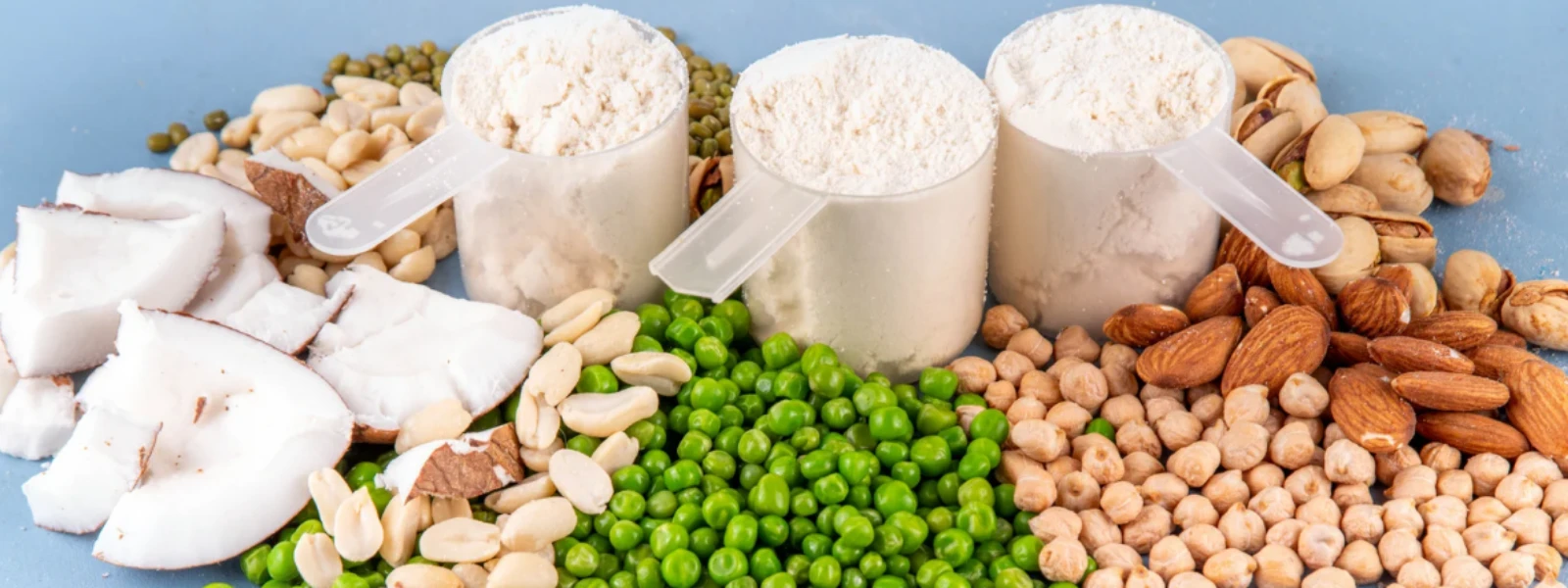


Plant-based eating has transformed from a niche lifestyle to a mainstream movement, with millions embracing vegan diets for health, environmental, and ethical reasons. However, one question consistently emerges among those making this transition: how do you ensure adequate protein intake daily? This comprehensive guide provides a science-backed checklist for incorporating vegan protein powder into your daily routine, addressing everything from optimal timing to maximizing benefits for muscle recovery, sleep quality, and cognitive function.
Whether you're a seasoned vegan athlete or someone just beginning their plant-based journey, understanding how to strategically use vegan protein powder can significantly impact your overall wellness. You'll discover practical strategies for meeting your daily protein needs, learn about the unique benefits of plant-based proteins, and gain actionable insights for building a sustainable routine that supports your health goals.
Determining your daily vegan protein intake starts with understanding that protein needs vary significantly based on individual factors. Research published in the Journal of the International Society of Sports Nutrition indicates that sedentary adults require approximately 0.8 grams of protein per kilogram of body weight, while active individuals may need 1.2 to 2.0 grams per kilogram.
For vegans, these requirements become more nuanced due to the amino acid profiles of plant-based proteins. Unlike animal proteins, most plant proteins are considered incomplete, meaning they don't contain all nine essential amino acids in optimal ratios. This doesn't mean plant-based diets are inadequate; rather, it emphasizes the importance of variety and strategic supplementation.
Common indicators of insufficient protein intake include persistent fatigue, slow wound healing, frequent infections, and muscle weakness. Hair thinning and brittle nails can also signal inadequate protein consumption. These symptoms often develop gradually, making them easy to overlook initially.
The timing of protein consumption plays a crucial role in absorption and utilization. Research suggests that consuming 20-30 grams of protein every 3-4 hours throughout the day optimizes muscle protein synthesis more effectively than consuming large amounts in single meals.
Vegan protein benefits extend far beyond basic nutritional requirements. Studies demonstrate that plant-based proteins offer unique advantages for cardiovascular health, digestive function, and inflammation reduction. A comprehensive analysis in the American Journal of Clinical Nutrition found that individuals consuming primarily plant proteins showed lower levels of inflammatory markers compared to those relying heavily on animal proteins.
Plant-based proteins typically contain higher amounts of fiber, antioxidants, and phytonutrients. These compounds work synergistically to support immune function and may contribute to improved longevity. Additionally, vegan proteins are generally easier to digest and less likely to cause gastrointestinal distress in sensitive individuals.
Contrary to outdated beliefs, vegan muscle recovery can be just as effective as with animal-based proteins when properly planned. Research published in Sports Medicine demonstrates that plant-based athletes can achieve similar muscle mass and strength gains when consuming adequate protein amounts and ensuring complete amino acid profiles through variety or supplementation.
Did You Know?
Pea protein, a common ingredient in vegan protein powders, contains high levels of branched-chain amino acids (BCAAs), particularly leucine, which plays a crucial role in muscle protein synthesis and recovery.
Creating an effective plant-based protein routine requires strategic timing and consistency. Your vegan protein powder daily routine for vegans should align with your lifestyle, workout schedule, and individual goals. Morning consumption can help stabilize blood sugar levels and provide sustained energy throughout the day.
Pre-workout protein consumption, typically 30-60 minutes before exercise, can enhance performance and prepare muscles for the upcoming stress. Post-workout timing remains crucial, with the optimal window being within 30 minutes to 2 hours after exercise, though recent research suggests this window may be more flexible than previously thought.
Successful integration involves more than just timing. Consider your overall meal structure and how protein powder complements whole food sources. Many individuals find success using protein powder as a bridge between meals or as a convenient post-workout option when whole foods aren't immediately available.
Evening protein consumption can support overnight recovery and muscle protein synthesis during sleep. However, timing should be balanced with individual sleep patterns, as some people may experience digestive discomfort if consuming protein too close to bedtime.
While protein powder offers convenience, understanding the best vegan protein sources helps create a well-rounded approach. Legumes, including lentils, chickpeas, and black beans, provide substantial protein along with fiber and complex carbohydrates. Quinoa stands out as one of the few complete plant proteins, containing all essential amino acids in adequate proportions.
Nuts and seeds offer protein along with healthy fats and micronutrients. Hemp seeds, chia seeds, and pumpkin seeds are particularly protein-dense options. Nutritional yeast provides not only protein but also B vitamins, including B12, which is often deficient in vegan diets.
Traditional protein combining theories suggested that complementary proteins must be consumed within the same meal. Current research indicates that consuming varied protein sources throughout the day is sufficient for meeting amino acid requirements. This flexibility makes plant-based eating more practical and sustainable.
The relationship between vegan protein and sleep quality involves complex biochemical pathways. Certain amino acids, particularly tryptophan, serve as precursors to serotonin and melatonin, neurotransmitters crucial for sleep regulation. Plant-based proteins can support these pathways when consumed as part of a balanced diet.
Stress and vegan protein interactions occur through the hypothalamic-pituitary-adrenal axis. Adequate protein intake helps stabilize cortisol levels and supports the production of stress-regulating neurotransmitters. Chronic protein deficiency can exacerbate stress responses and impair the body's ability to recover from stressors.
Cognitive function and vegan protein connections are increasingly recognized in nutritional neuroscience. Amino acids serve as building blocks for neurotransmitters that affect mood, memory, and concentration. Tyrosine, found in many plant proteins, supports dopamine production, which influences motivation and focus.
Research suggests that consistent protein intake throughout the day helps maintain stable blood glucose levels, preventing the cognitive fluctuations associated with blood sugar spikes and crashes. This stability can enhance mental clarity and sustained attention.
Vegan protein smoothie recipes offer versatility and convenience for busy lifestyles. A basic morning blend might include one scoop of vegan protein powder, banana, spinach, almond milk, and a tablespoon of ground flaxseed. This combination provides approximately 25-30 grams of protein along with fiber, vitamins, and omega-3 fatty acids.
Post-workout recovery smoothies benefit from the addition of carbohydrates to replenish glycogen stores. Try combining protein powder with frozen berries, oat milk, and a handful of oats for a balanced recovery drink. The natural sugars in berries help shuttle amino acids into muscle cells more efficiently.
Evening smoothies can incorporate ingredients that support relaxation and sleep. Consider blending protein powder with tart cherry juice, which naturally contains melatonin, along with cashew milk and a pinch of cinnamon. This combination supports both protein needs and sleep quality.
Vegan muscle recovery optimization requires understanding the unique characteristics of plant-based proteins. While some plant proteins may have lower leucine content compared to whey protein, this can be addressed through proper dosing and timing. Research indicates that consuming slightly higher amounts of plant protein can achieve similar muscle protein synthesis rates.
The post-exercise recovery window remains important, though not as narrow as once believed. Consuming 25-40 grams of high-quality vegan protein within a few hours of exercise supports optimal recovery. The exact amount depends on body weight, exercise intensity, and individual goals.
Sleep quality significantly impacts muscle recovery and protein utilization. During deep sleep phases, growth hormone release peaks, facilitating muscle repair and growth. Ensuring adequate protein intake throughout the day supports these nighttime recovery processes.
Combining protein with other recovery strategies, such as adequate hydration, stress management, and consistent sleep schedules, creates a comprehensive approach to muscle recovery that goes beyond nutrition alone.
Yes, it's entirely possible to meet daily protein requirements on a vegan diet through strategic food choices and supplementation when needed. Research consistently shows that well-planned vegan diets can provide adequate protein for all life stages, including athletes and active individuals.
The optimal timing depends on your goals and schedule. Post-workout consumption within 2 hours of exercise supports muscle recovery, while morning intake can help stabilize energy levels throughout the day. Many people find success with multiple smaller doses rather than one large serving.
Adequate vegan protein intake helps maintain stable blood sugar levels, preventing energy crashes associated with carbohydrate-heavy meals. Plant proteins also provide sustained energy release due to their fiber content and complex nutrient profiles.
High-quality vegan protein powders are generally safe for daily consumption when used as directed. Choose products that are third-party tested for purity and free from contaminants. As with any supplement, it's best to use protein powder as part of a varied diet rather than as a sole protein source.
Protein can support weight management by increasing satiety, preserving lean muscle mass during weight loss, and requiring more energy for digestion compared to carbohydrates or fats. Vegan proteins often come with additional fiber, which further enhances feelings of fullness.
Successfully incorporating vegan protein powder into your daily routine requires understanding your individual needs, timing consumption strategically, and maintaining consistency. The benefits extend beyond basic nutrition to include improved muscle recovery, better sleep quality, enhanced cognitive function, and reduced stress responses. By following this comprehensive checklist and adapting it to your lifestyle, you can optimize your plant-based protein intake while supporting your overall wellness goals. Remember that protein powder should complement, not replace, a varied diet rich in whole plant foods, creating a sustainable approach to meeting your nutritional needs on a vegan lifestyle.




Someone sent you
Powered by ReferRush


