How to Use Herbs to Calm Your Anxious Mind
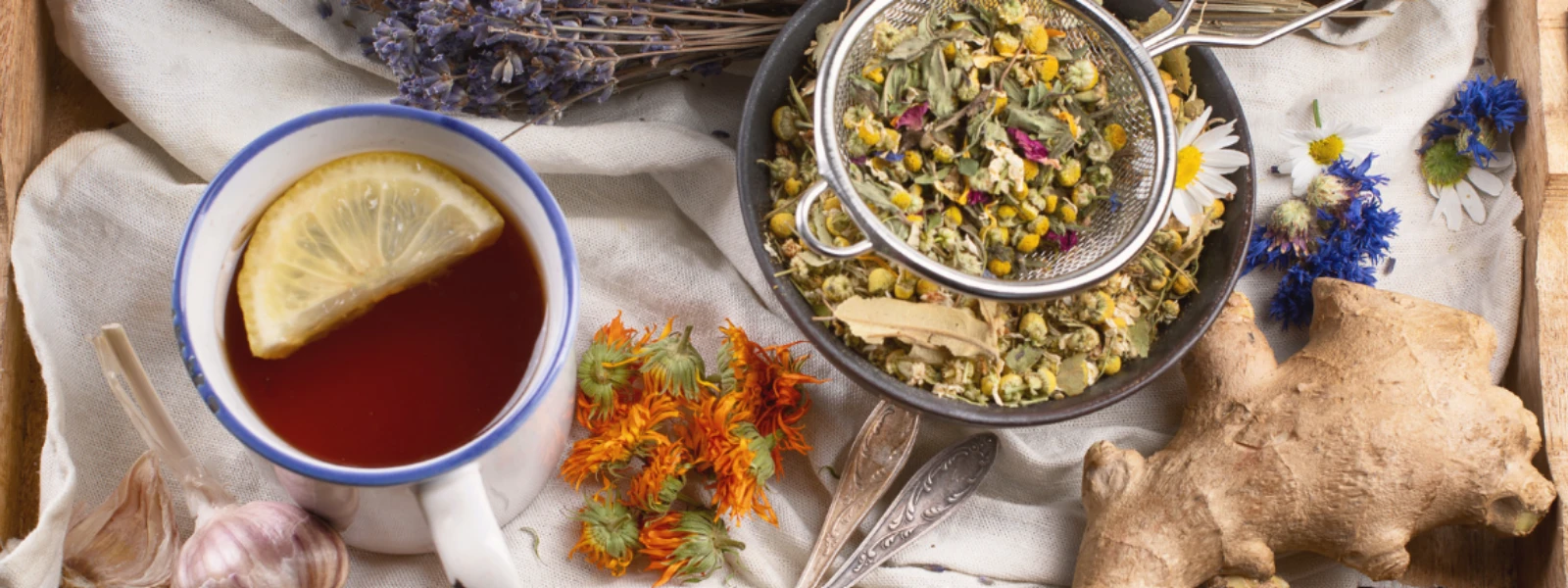


In our fast-paced world, millions of people struggle with anxiety and stress daily. While modern medicine offers various solutions, many are turning to nature's pharmacy for gentler alternatives. Herbs to calm the mind have been used for thousands of years across different cultures, offering a time-tested approach to mental wellness.
This comprehensive guide explores the science behind calming herbs, how they work in your body, and practical ways to incorporate them into your daily routine. You'll discover evidence-based information about the most effective herbs for anxiety and learn how to create a personalized herbal protocol for lasting stress relief.
The human nervous system is remarkably complex, and herbs for anxiety work through multiple pathways to promote relaxation. Unlike synthetic medications that target specific receptors, herbal compounds often provide broader support through various mechanisms.
Many calming herbs contain compounds called nervines, which directly support nervous system function. These natural chemicals can help regulate neurotransmitters like GABA, serotonin, and dopamine - the brain's primary mood-regulating chemicals. When these neurotransmitters are balanced, feelings of anxiety and stress naturally decrease.
Adaptogenic herbs represent another category of natural stress relief options. These remarkable plants help your body adapt to stress by regulating the hypothalamic-pituitary-adrenal (HPA) axis. This system controls your stress response and cortisol production. When functioning optimally, adaptogens help maintain steady energy levels while reducing the physical and mental impact of chronic stress.
Research published in peer-reviewed journals shows that many traditional herbs contain bioactive compounds with measurable effects on stress hormones and brain chemistry. This scientific validation bridges ancient wisdom with modern understanding, giving us confidence in these natural stress relief approaches.
Different herbs work better for different types of anxiety and stress patterns. Understanding these distinctions helps you choose the most effective herbs for mental clarity and relaxation for your specific needs.
Some stress relief herbs provide almost immediate relief, making them perfect for acute anxiety situations. Chamomile stands out as one of the most gentle yet effective options. This daisy-like flower contains apigenin, a compound that binds to benzodiazepine receptors in the brain, promoting rapid relaxation without drowsiness.
Lemon balm offers another quick-acting solution for mental agitation. Studies show this mint family herb can reduce anxiety symptoms within 30 minutes of consumption. Its rosmarinic acid content helps increase GABA activity, creating a natural calming effect while maintaining mental clarity.
Passionflower deserves special mention among anxiety relief herbs for its ability to quiet racing thoughts. Clinical trials demonstrate its effectiveness for generalized anxiety, with participants reporting significant symptom improvement within just a few days of use.
For chronic stress and ongoing anxiety management, adaptogenic herbs provide sustained support. Ashwagandha leads this category, with extensive research showing its ability to reduce cortisol levels by up to 30% in stressed individuals. This powerful root helps your body maintain balance during challenging periods while supporting overall resilience.
Holy basil, also known as Tulsi, offers comprehensive stress support through its unique combination of compounds. Regular use helps normalize cortisol patterns, improve sleep quality, and enhance mental clarity. Many people find it particularly helpful for stress-related fatigue and brain fog.
Rhodiola provides energizing stress relief, making it ideal for people who feel depleted by chronic anxiety. This Arctic root helps maintain mental performance under stress while reducing fatigue and improving mood stability.
Since anxiety often disrupts sleep, certain herbs for sleep specifically target nighttime restlessness. Valerian root has been used for centuries as a natural sleep aid, with modern research confirming its ability to reduce sleep latency and improve sleep quality without morning grogginess.
Lavender works through multiple senses to promote relaxation. Whether used as tea, essential oil, or dried flowers, its linalool content directly affects the nervous system to reduce anxiety and promote restful sleep.
Did You Know?
Magnesium deficiency affects nearly 50% of adults and can significantly worsen anxiety symptoms. Many calming herbs work more effectively when combined with adequate magnesium intake, as this mineral supports over 300 enzymatic reactions involved in stress response and neurotransmitter function.
Proper preparation maximizes the therapeutic potential of herbal remedies for stress. Different herbs require specific methods to extract their beneficial compounds effectively.
Creating effective mind calming tea involves more than simply steeping herbs in hot water. Delicate flowers like chamomile need only 5-7 minutes of steeping to avoid bitter compounds, while tougher roots like valerian may require 10-15 minutes for full extraction.
For single herb teas, use approximately one teaspoon of dried herb per cup of water. When creating blends, reduce each herb proportionally to maintain proper strength. Most calming herbs are safe for daily use, with 2-3 cups of tea providing therapeutic benefits without side effects.
Timing matters significantly with herbal teas. Morning consumption of energizing adaptogens like rhodiola supports all-day stress resilience, while evening use of relaxing herbs like chamomile promotes better sleep quality.
Tinctures offer concentrated herbal medicine in convenient liquid form. These alcohol-based extracts provide consistent dosing and longer shelf life compared to teas. Most anxiety relief herbs are available as standardized tinctures, with typical doses ranging from 1-3 droppers full taken 2-3 times daily.
Capsules provide another convenient option, especially for herbs with strong flavors. Look for products that specify the concentration of active compounds to ensure therapeutic potency. This format works particularly well for adaptogens that benefit from consistent daily dosing.
Essential oils from herbs for mental clarity like lavender and lemon balm offer aromatherapy benefits. While not suitable for internal use, these concentrated plant essences can be diffused, applied topically when diluted, or added to baths for multi-sensory relaxation.
While herbs for anxiety are generally safer than pharmaceutical alternatives, they still require careful consideration and proper usage. Understanding potential interactions and contraindications ensures safe and effective herbal therapy.
Certain herbs may interact with prescription medications, particularly those affecting the central nervous system. Sedating herbs like valerian can enhance the effects of sleep medications or anti-anxiety drugs, potentially causing excessive drowsiness. Always consult healthcare providers before combining herbal remedies with prescription medications.
Pregnancy and breastfeeding require special caution with herbal use. While some calming herbs like chamomile are generally considered safe in food amounts, therapeutic doses should be avoided without professional guidance. The developing nervous system is particularly sensitive to bioactive compounds.
Starting with lower doses allows you to assess individual tolerance and effectiveness. Begin with half the recommended dose for the first few days, gradually increasing as needed. This approach helps identify any sensitivity reactions while allowing your body to adjust to the herbal compounds.
Quality sourcing significantly impacts both safety and effectiveness. Choose organic, third-party tested herbs when possible to avoid pesticide residues and ensure proper identification. Reputable suppliers provide certificates of analysis showing purity and potency testing.
While herbs to calm the mind provide powerful support, they work best as part of a comprehensive wellness approach. Combining herbal therapy with lifestyle modifications creates synergistic effects that enhance overall stress resilience.
Meditation and mindfulness practices amplify the effects of calming herbs. The relaxed state achieved through herbal support makes it easier to maintain focus during meditation, while regular mindfulness practice enhances your body's natural stress response mechanisms.
Dietary choices significantly influence how well stress relief herbs work in your system. Reducing caffeine intake prevents counteracting the calming effects of herbs, while ensuring adequate protein supports neurotransmitter production. Avoiding processed foods and excess sugar helps maintain stable blood sugar levels, reducing anxiety triggers.
Regular exercise complements herbal stress management by providing natural endorphin release and improving sleep quality. Gentle activities like yoga or walking enhance the relaxing effects of herbs, while more intense exercise helps metabolize stress hormones more efficiently.
Sleep hygiene practices work synergistically with herbs for sleep to improve rest quality. Creating a consistent bedtime routine, limiting screen time, and maintaining a cool, dark sleeping environment enhances the effectiveness of relaxing herbs like lavender and valerian.
The timeline varies depending on the specific herb and individual factors. Fast-acting herbs like chamomile and lemon balm may provide noticeable effects within 30-60 minutes. Adaptogenic herbs like ashwagandha typically require 2-4 weeks of consistent use to show full benefits, as they work by gradually rebalancing your stress response systems.
Yes, many herbs work well in combination and may provide enhanced benefits. However, start with single herbs to understand individual effects before creating blends. Avoid combining multiple sedating herbs initially, as this may cause excessive drowsiness. Popular combinations include chamomile with lemon balm for evening relaxation, or ashwagandha with rhodiola for daytime stress support.
Most calming herbs are safe for daily use when taken in appropriate doses. Gentle herbs like chamomile, lemon balm, and holy basil can be used indefinitely. However, some stronger herbs like valerian may benefit from occasional breaks to prevent tolerance. Adaptogenic herbs are specifically designed for long-term use and often become more effective over time.
Nervine herbs directly affect the nervous system, providing immediate calming effects on anxiety and stress symptoms. Examples include chamomile, passionflower, and lemon balm. Adaptogenic herbs help your body adapt to stress over time by supporting the adrenal glands and balancing stress hormones. Examples include ashwagandha, rhodiola, and holy basil. Many people benefit from using both types together.
Consider your primary symptoms and timing needs. For acute anxiety episodes, choose fast-acting nervines like chamomile or passionflower. For chronic stress and fatigue, adaptogens like ashwagandha work better. If anxiety affects your sleep, focus on herbs like valerian or lavender. For racing thoughts and mental agitation, lemon balm and holy basil provide excellent support. Start with one herb that matches your main concern, then add others as needed.
Herbs offer a gentle yet effective approach to managing anxiety and stress naturally. From fast-acting nervines that provide immediate relief to adaptogenic herbs that build long-term resilience, nature provides numerous options for calming an anxious mind. The key lies in understanding how different herbs work, choosing appropriate preparations, and integrating them safely into your wellness routine. Remember that while herbs provide valuable support, they work best when combined with healthy lifestyle practices and, when necessary, professional healthcare guidance. By taking a thoughtful, informed approach to herbal stress management, you can harness these natural remedies to support your mental wellness journey effectively and safely.



