Vegan vs Whey Protein: The Ultimate Showdown
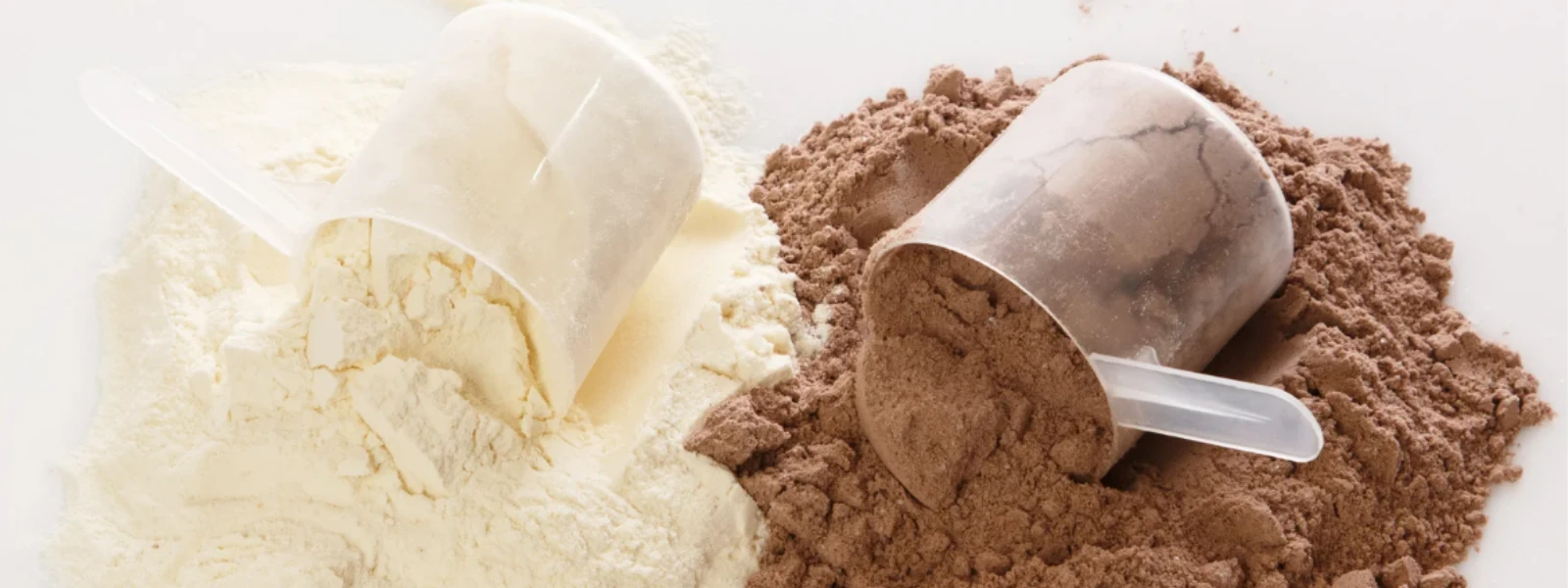


The protein powder market offers countless options, but two categories consistently dominate the conversation: vegan protein powder and whey protein isolate. With fitness enthusiasts, athletes, and health-conscious individuals seeking the most effective protein source, understanding the science behind these options becomes crucial for making informed decisions.
This comprehensive analysis examines the research-backed differences between plant-based and whey protein powders. You'll discover how each type affects muscle growth, recovery, digestion, and overall health outcomes. By the end, you'll have a clear framework for determining which protein powder aligns best with your specific goals and lifestyle needs.
Amino acids serve as the building blocks of protein, with nine essential amino acids that your body cannot produce on its own. Whey protein isolate contains all nine essential amino acids in optimal ratios, earning its classification as a complete protein. Most single-source vegan proteins lack one or more essential amino acids, making them incomplete proteins.
However, modern vegan protein powders often combine multiple plant sources to create complete amino acid profiles. Pea and rice protein blends, for example, complement each other's amino acid deficiencies to provide all essential amino acids.
Bioavailability measures how efficiently your body can use consumed protein. Whey protein isolate demonstrates superior bioavailability, with studies showing absorption rates of 8-10 grams per hour. The refined processing removes lactose and fat, leaving nearly pure protein that digests rapidly.
Plant-based proteins typically absorb more slowly, at rates of 3-7 grams per hour depending on the source. While this slower absorption might seem disadvantageous, it can provide sustained amino acid release, which benefits muscle protein synthesis over extended periods.
Branched-chain amino acids (BCAAs) - leucine, isoleucine, and valine - play critical roles in muscle protein synthesis. Whey protein isolate contains approximately 25% BCAAs, with leucine comprising about 11% of total protein content. This high leucine concentration triggers muscle protein synthesis effectively.
Vegan protein sources vary significantly in BCAA content. Pea protein contains about 18% BCAAs, while hemp protein provides roughly 15%. Soy protein comes closest to whey with approximately 20% BCAA content.
Did You Know?
Research published in the Journal of the International Society of Sports Nutrition found that consuming 2.5 grams of leucine can maximally stimulate muscle protein synthesis, regardless of the protein source.
Many individuals experience digestive discomfort with dairy-based proteins, even with lactose-free whey isolate. Vegan protein powders eliminate this concern entirely, offering easier digestion for those with sensitive stomachs or dairy sensitivities.
Plant proteins also contain natural enzymes and fiber that support digestive health. Pea protein, in particular, demonstrates excellent digestibility without causing bloating or gastrointestinal distress commonly associated with whey products.
Vegan protein powders naturally contain dietary fiber, which slows digestion and provides sustained energy release. This fiber content helps maintain stable blood sugar levels and promotes feelings of fullness, making plant-based options beneficial for weight management goals.
The fiber also supports gut health by feeding beneficial bacteria in your microbiome, contributing to overall digestive wellness and immune function.
Plant-based proteins come with additional nutritional benefits beyond amino acids. Many vegan protein sources contain antioxidants, vitamins, and minerals that support overall health. Hemp protein provides omega-3 fatty acids, while pea protein offers iron and B-vitamins.
These phytonutrients may contribute to reduced inflammation and enhanced recovery, though more research is needed to quantify these benefits specifically in protein powder form.
Whey protein isolate's rapid absorption makes it ideal for post-workout consumption when muscles need immediate amino acid delivery. Studies show peak amino acid levels occur within 30-60 minutes of whey consumption, optimizing the post-exercise recovery window.
This quick absorption helps minimize muscle protein breakdown and accelerates the muscle repair process, leading to faster recovery between training sessions.
The high leucine content in whey protein isolate provides a significant advantage for muscle protein synthesis. Leucine acts as a molecular switch, triggering the mTOR pathway that initiates muscle building processes.
Research consistently demonstrates that whey protein's leucine content can stimulate muscle protein synthesis more effectively than most plant-based alternatives, particularly in older adults who may have higher leucine requirements.
Decades of research support whey protein's effectiveness for muscle growth and strength gains. Multiple studies show superior outcomes with whey protein compared to other protein sources when combined with resistance training.
The combination of complete amino acids, rapid absorption, and high leucine content creates optimal conditions for muscle adaptation and growth.
For muscle growth, whey protein isolate maintains a slight edge due to its superior amino acid profile and absorption rate. However, recent studies suggest that consuming adequate amounts of high-quality vegan protein can achieve similar muscle-building results.
The key lies in ensuring sufficient total protein intake and consuming complete amino acid profiles through blended plant proteins or strategic food combinations.
Recovery depends on both protein quality and timing. Whey protein's rapid absorption makes it ideal for immediate post-workout recovery, while vegan proteins may better support overnight recovery due to their sustained amino acid release.
Some athletes use whey protein post-workout and plant-based proteins before bed to optimize recovery throughout the day.
Emerging research suggests that certain amino acids in protein can influence sleep quality. Tryptophan, found in higher concentrations in some plant proteins, may promote better sleep when consumed in the evening.
The slower digestion of plant proteins also prevents potential sleep disruption from rapid amino acid spikes that might occur with whey consumption before bed.
Some studies indicate that plant-based proteins may support stress management and cognitive function through their additional phytonutrients and antioxidants. However, this research remains preliminary.
The magnesium content in some plant proteins might contribute to stress reduction and improved cognitive performance, though dedicated supplements typically provide more significant benefits for these goals.
Whey isolate undergoes additional processing to remove more lactose and fat than whey concentrate. This results in higher protein content (90-95% vs 70-80%) and faster absorption, but also higher cost.
Whey concentrate retains more natural compounds and costs less, making it suitable for those without lactose sensitivity who want good value.
Pea protein offers excellent amino acid profiles and digestibility. Rice protein provides hypoallergenic options but requires combination with other sources for completeness. Hemp protein adds healthy fats and fiber, while soy protein most closely matches whey's amino acid profile.
Each plant source brings unique benefits, explaining why many manufacturers create blends to optimize nutritional profiles.
Competitive athletes and serious bodybuilders often benefit from whey protein isolate's superior absorption and amino acid profile. The rapid post-workout delivery and proven muscle-building results make it a practical choice for performance-focused individuals.
Recreational exercisers have more flexibility in protein choice. Both vegan and whey options can support fitness goals effectively when consumed as part of a balanced diet with adequate total protein intake.
Those with lactose intolerance, dairy allergies, or following vegan lifestyles benefit significantly from plant-based protein options. The improved digestibility and absence of animal products make vegan proteins the clear choice for these individuals.
Consider your primary objectives: rapid muscle growth, general fitness support, digestive comfort, or ethical considerations. Match these goals with the strengths of each protein type to guide your decision.
Regardless of protein type, look for third-party testing, minimal artificial ingredients, and clear amino acid profiles. Quality manufacturing processes matter more than protein source for safety and effectiveness.
Check for certifications like NSF or Informed Sport for additional quality assurance, especially if you're an athlete subject to drug testing.
Whey isolate has a slight advantage for muscle building due to its complete amino acid profile and rapid absorption. However, high-quality vegan protein blends can achieve similar results when consumed in adequate amounts.
Vegan protein powders are generally easier to digest, especially for people with dairy sensitivities or lactose intolerance. The natural fiber content in plant proteins also supports digestive health.
Yes, research shows that adequate vegan protein intake can support muscle growth effectively. The key is ensuring complete amino acid profiles through blended plant proteins and consuming sufficient total protein.
Vegan protein powders are the better choice for lactose intolerant individuals, as they contain no dairy products. Even whey isolate, which has minimal lactose, may still cause digestive issues for highly sensitive people.
Whey protein absorbs faster at 8-10 grams per hour, while plant proteins absorb at 3-7 grams per hour. This difference affects timing strategies but doesn't significantly impact long-term muscle building results when total daily protein needs are met.
The choice between vegan protein powder and whey protein isolate ultimately depends on your individual goals, dietary restrictions, and preferences. Whey protein isolate offers superior absorption rates and proven muscle-building benefits, making it ideal for serious athletes and those seeking rapid results. Vegan protein powders provide excellent digestibility, additional nutrients, and ethical benefits while still supporting muscle growth effectively when properly formulated. Both options can help you achieve your fitness and health goals when incorporated into a balanced nutrition plan. Consider your specific needs, try different options if possible, and choose the protein powder that best fits your lifestyle and objectives.



