7 Best Vegan Protein Powders for Muscle Growth
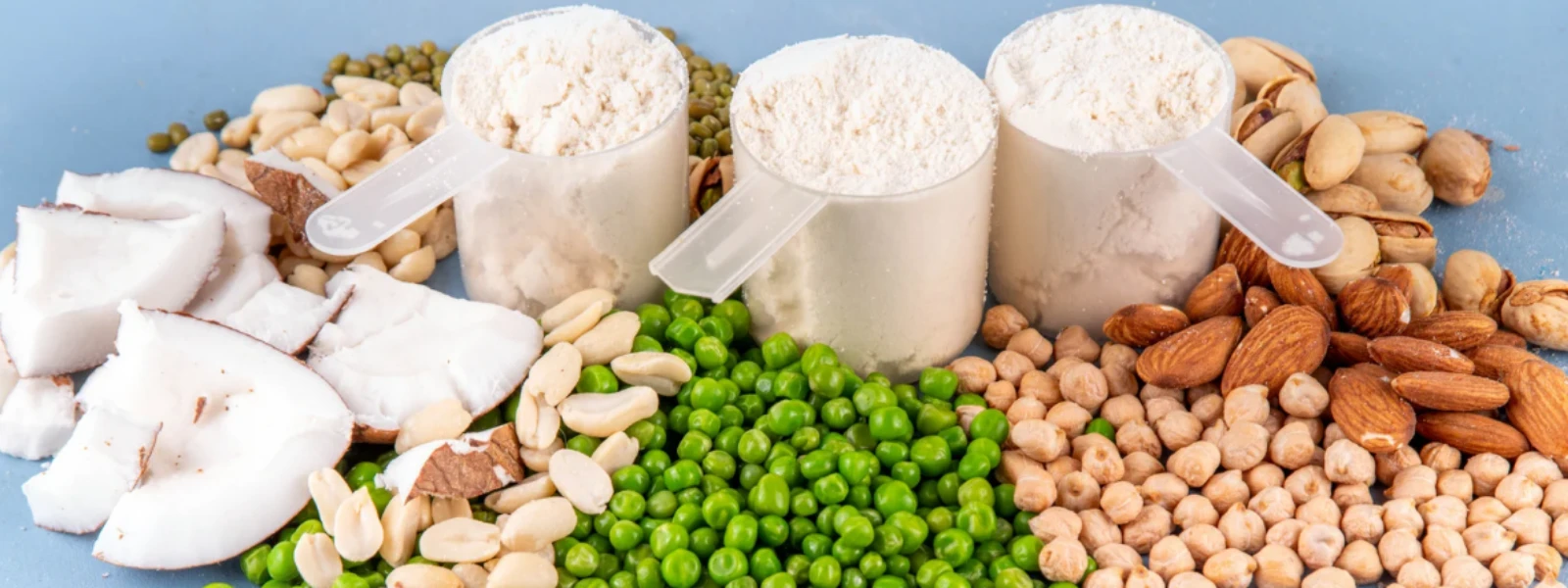


Plant-based nutrition has revolutionized how we approach muscle building and recovery. With growing awareness about sustainable living and dietary preferences, vegan protein powders have emerged as powerful alternatives to traditional animal-based supplements. This comprehensive guide explores the seven best vegan protein powders for muscle growth, diving deep into what vegan protein powder is, how it works, and which options deliver optimal results for your fitness goals.
Vegan protein powder is a concentrated protein supplement derived entirely from plant sources. Unlike animal proteins, these powders combine various plant-based ingredients to create amino acid profiles that support muscle protein synthesis. The key lies in understanding how these proteins work at the cellular level.
Plant proteins contain all the building blocks your muscles need, though they may require strategic combining to achieve complete amino acid profiles. When you consume vegan protein powder, your digestive system breaks it down into individual amino acids, which then travel to muscle tissues to support repair and growth.
Research published in the Journal of the International Society of Sports Nutrition shows that plant-based proteins can be just as effective as animal proteins for muscle building when consumed in adequate amounts. The bioavailability varies between different vegan protein sources, with some showing absorption rates comparable to whey protein.
A complete protein contains all nine essential amino acids your body cannot produce on its own. While many plant proteins are incomplete individually, modern vegan protein powders often blend multiple sources to create complete amino acid profiles.
The concept of protein combining has evolved significantly. You don't need to consume all essential amino acids in a single meal, as your body maintains an amino acid pool throughout the day. However, choosing a complete protein vegan powder ensures optimal muscle protein synthesis with each serving.
Single-source proteins like soy protein isolate naturally provide complete amino acid profiles, while blended formulas combine complementary proteins to achieve the same result. This strategic approach makes vegan protein powders highly effective for muscle growth and recovery.
Pea protein stands out among vegan protein sources for its impressive leucine content. Leucine is a branched-chain amino acid that triggers muscle protein synthesis, making it crucial for muscle growth. Studies show that pea protein contains approximately 8.4% leucine, which rivals many animal proteins.
The digestibility of pea protein is another significant advantage. It's naturally hypoallergenic, making it suitable for people with dairy, soy, or gluten sensitivities. Research comparing pea protein to whey protein found similar muscle thickness gains over an eight-week resistance training program.
Pea protein also provides excellent satiety, helping control appetite while supporting muscle growth goals. Its neutral taste makes it versatile for various recipes and flavor combinations.
Brown rice protein offers a unique amino acid profile that complements other plant proteins beautifully. While it's lower in lysine compared to other sources, it's rich in cysteine and methionine, making it an excellent component in protein blends.
Clinical studies demonstrate that brown rice protein can produce muscle gains comparable to whey protein when consumed post-workout. A 2013 study published in Nutrition Journal found that participants consuming brown rice protein showed similar improvements in body composition and exercise performance as those using whey protein.
The hypoallergenic nature of brown rice protein makes it ideal for individuals with multiple food sensitivities. It's easily digestible and rarely causes gastrointestinal discomfort, even in larger serving sizes.
Soy protein isolate provides one of the most complete amino acid profiles among plant-based options. It contains all essential amino acids in proportions similar to animal proteins, making it highly effective for muscle protein synthesis.
Scientific research has thoroughly debunked concerns about soy protein affecting hormone levels in healthy adults. Multiple studies show that moderate soy protein consumption doesn't negatively impact testosterone levels or muscle building capacity in men or women.
The rapid absorption rate of soy protein isolate makes it particularly beneficial for post-workout consumption. It delivers amino acids to muscles quickly, supporting optimal recovery and growth during the critical post-exercise window.
Did You Know?
Plant-based proteins can increase your metabolism by up to 20% more than animal proteins due to their higher thermic effect. This means your body burns more calories digesting and processing vegan protein sources, potentially supporting both muscle growth and weight management goals.
1. Multi-Source Pea and Rice Blend: These formulations combine pea protein's leucine content with brown rice protein's complementary amino acids. The result is a complete protein with excellent digestibility and muscle-building potential. Look for blends that maintain a 70:30 pea-to-rice ratio for optimal amino acid balance.
2. Comprehensive Plant Protein Matrix: Advanced formulas include pea, rice, hemp, and pumpkin seed proteins. This diversity ensures complete amino acid coverage while providing additional nutrients like omega-3 fatty acids and minerals. These blends often include digestive enzymes to enhance absorption.
3. Sprouted Protein Combinations: Sprouted versions of plant proteins offer improved digestibility and nutrient density. The sprouting process increases bioavailability and reduces potential digestive discomfort. These premium options typically cost more but provide superior nutritional value.
4. Pure Pea Protein Isolate: For those seeking simplicity and effectiveness, pure pea protein isolate delivers consistent results. It's ideal for people with multiple food allergies and provides excellent muscle-building potential with proper dosing.
5. Organic Brown Rice Protein: Single-source brown rice protein works well for individuals following strict dietary protocols. While requiring larger serving sizes to match complete proteins, it offers excellent value and versatility.
6. Hemp Protein Concentrate: Hemp protein provides a unique combination of protein, healthy fats, and minerals. While lower in protein concentration than isolates, it offers whole-food nutrition that supports overall health alongside muscle growth.
7. Basic Soy Protein Isolate: Plain soy protein isolate offers exceptional value for muscle building. Despite being less expensive than complex blends, it provides complete amino acid profiles and proven muscle-building results. The key is choosing high-quality, non-GMO sources from reputable manufacturers.
Plant-based proteins offer unique metabolic advantages that extend beyond muscle building. The thermic effect of plant proteins is typically higher than animal proteins, meaning your body expends more energy digesting and processing them. This can contribute to a vegan metabolism boost that supports overall energy balance.
The fiber content naturally present in many plant proteins supports digestive health and helps maintain stable blood sugar levels. This steady energy release can improve workout performance and recovery while supporting long-term metabolic health.
Anti-inflammatory compounds found in plant proteins may also support faster recovery between training sessions. Reduced inflammation can lead to better muscle adaptation and more consistent progress toward your fitness goals.
Choosing vegan protein sources significantly reduces your environmental footprint compared to animal-based alternatives. Plant protein production requires less water, land, and energy while producing fewer greenhouse gas emissions.
The sustainability factor makes vegan protein powders an excellent choice for environmentally conscious individuals who want to align their fitness goals with their values. This ethical component can provide additional motivation for maintaining consistent supplementation.
Supporting plant-based protein industries also contributes to agricultural diversity and sustainable farming practices that benefit long-term food security and environmental health.
For muscle growth, aim for 1.6 to 2.2 grams of protein per kilogram of body weight daily. This translates to roughly 0.7 to 1.0 grams per pound for most individuals engaged in regular resistance training.
Vegan protein powders typically provide 20-30 grams of protein per serving, making them convenient tools for meeting daily requirements. Most people benefit from 1-2 servings daily, depending on their total protein intake from whole food sources.
Active individuals may require higher protein intakes, particularly during intense training phases or when following calorie-restricted diets for body composition goals. Monitor your progress and adjust intake accordingly.
Consuming 20-25 grams of vegan protein within 30 minutes after resistance training optimizes muscle protein synthesis. This post-workout window is crucial for maximizing the muscle-building response to exercise.
Pre-workout protein consumption can also be beneficial, particularly for morning training sessions or when several hours have passed since your last meal. A smaller serving of 10-15 grams can help maintain amino acid availability during exercise.
Combining vegan protein with carbohydrates post-workout enhances recovery by replenishing glycogen stores and supporting protein synthesis. Simple carbohydrates like fruits work well for this purpose.
While protein powders offer convenience, whole food vegan protein sources provide additional nutrients and fiber. Legumes like lentils and chickpeas offer 15-18 grams of protein per cooked cup, along with complex carbohydrates and minerals.
Nuts and seeds provide protein along with healthy fats that support hormone production and overall health. Hemp seeds, chia seeds, and almonds are particularly protein-rich options that can complement your powder supplementation.
Quinoa and other ancient grains offer complete proteins in whole food form. These options work well for meal planning and provide sustained energy for training and recovery.
Vegan protein powders blend seamlessly into smoothies with fruits, vegetables, and plant-based milk alternatives. Adding spinach or kale increases nutrient density without significantly affecting taste.
Baking applications allow you to incorporate protein powder into pancakes, muffins, and energy bars. Replace up to 25% of flour with protein powder in most recipes for added protein content.
Savory applications include adding unflavored protein powder to soups, sauces, and grain dishes. This approach helps distribute protein intake throughout the day rather than concentrating it in shakes alone.
Research shows that vegan protein can be just as effective as whey protein for muscle growth when consumed in adequate amounts. The key is ensuring complete amino acid profiles and meeting daily protein requirements. Studies comparing pea protein to whey protein found similar muscle-building results over 8-12 week periods.
While combining different plant proteins can create more complete amino acid profiles, it's not strictly necessary if you're consuming a varied diet throughout the day. Your body maintains an amino acid pool, so you don't need all essential amino acids in every meal. However, blended protein powders offer convenience and optimal amino acid ratios.
Some people may experience digestive discomfort when first switching to plant-based proteins, particularly if they're not used to higher fiber intake. Start with smaller servings and gradually increase to allow your digestive system to adapt. Choosing protein isolates over concentrates can also reduce potential digestive issues.
Most people benefit from 1-2 servings of vegan protein powder daily, providing 20-50 grams of additional protein. Your total daily protein intake should be 1.6-2.2 grams per kilogram of body weight for muscle growth. Adjust your powder intake based on protein from whole food sources in your diet.
Taste preferences vary significantly between individuals, but chocolate and vanilla flavored blends tend to be most popular. Pea protein-based formulas often have the most neutral taste, while hemp protein can be more earthy. Many brands offer sample sizes to help you find your preferred flavor before committing to larger containers.
Vegan protein powders offer powerful solutions for muscle growth while supporting sustainable and ethical lifestyle choices. From complete protein blends to single-source options, plant-based proteins can effectively support your fitness goals when chosen and used strategically. The seven categories outlined provide options for every budget, taste preference, and dietary requirement. Remember that consistency in protein intake, combined with proper resistance training and adequate recovery, remains the foundation of successful muscle building. Whether you choose premium blends or budget-friendly single sources, vegan protein powders can be valuable tools in your journey toward improved strength, muscle growth, and overall health.




Someone sent you
Powered by ReferRush


