7 High-Protein Meal Plans for Lean Muscle Gain
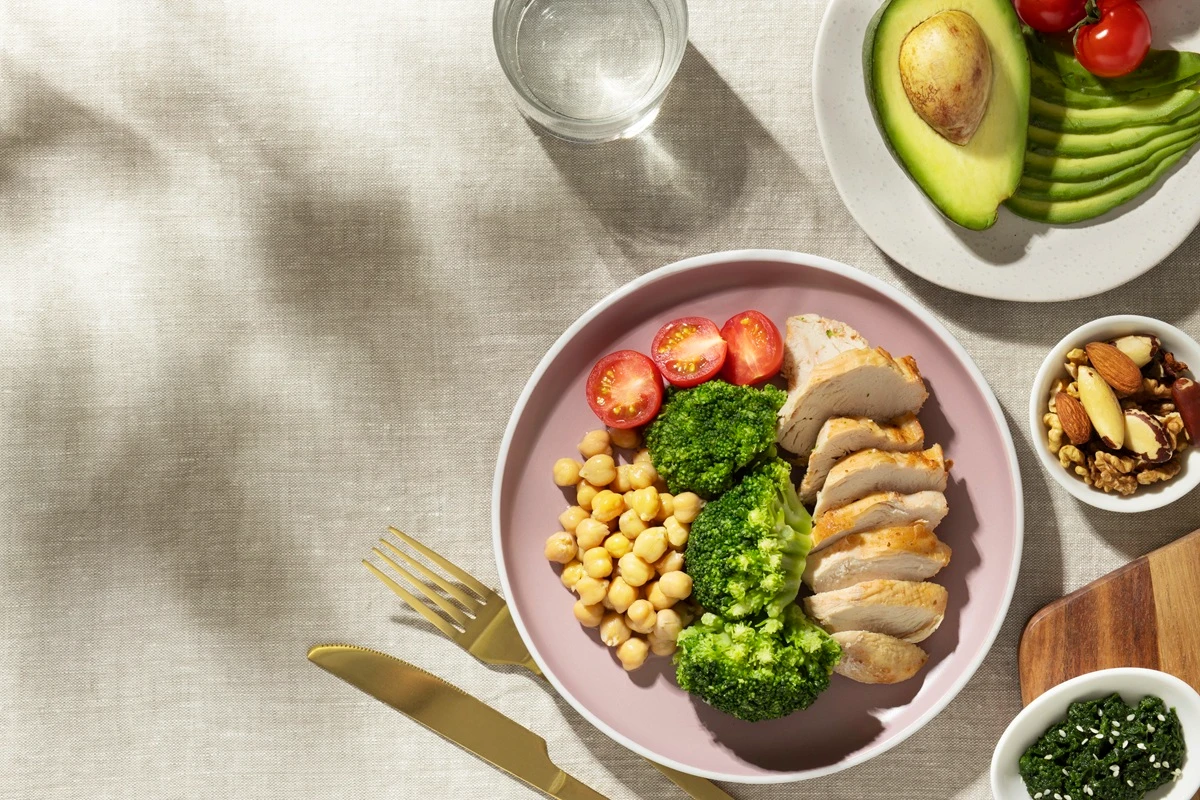


Building lean muscle isn't just about lifting heavy weights—it's about fueling your body with the right nutrients at the right time. While many people focus solely on their workout routines, the truth is that your diet plan for lean muscle gain plays an equally crucial role in achieving your fitness goals. Whether you're new to muscle building or looking to optimize your current approach, understanding how to structure your meals can make the difference between mediocre results and impressive gains.
This comprehensive guide will walk you through seven carefully designed high protein meal plans that support lean muscle development. You'll discover the science behind muscle-building nutrition, learn how to time your nutrients effectively, and gain practical meal planning strategies that fit into your busy lifestyle.
Protein serves as the building blocks for muscle tissue. When you engage in resistance training, you create tiny tears in your muscle fibers. Your body repairs these tears using amino acids from protein, making the muscle stronger and larger than before. This process, called muscle protein synthesis, requires a steady supply of high-quality protein throughout the day.
Research shows that consuming adequate protein helps maintain a positive protein balance in your body. This means you're building more muscle tissue than you're breaking down, which is essential for lean muscle gain.
While protein gets most of the attention, muscle building macros work together as a team. Carbohydrates provide energy for intense workouts and help shuttle nutrients into your muscle cells. Healthy fats support hormone production, including testosterone and growth hormone, which are crucial for muscle development.
A well-balanced approach typically involves getting 25-30% of your calories from protein, 40-50% from carbohydrates, and 20-30% from fats. These ratios can be adjusted based on your individual needs and training schedule.
Building muscle requires energy, which means you need to consume more calories than you burn. However, a calorie surplus for lean gains should be moderate to avoid excessive fat gain. A surplus of 200-500 calories above your maintenance level is typically sufficient for steady muscle growth.
The key is finding the balance between eating enough to fuel muscle growth and avoiding excess calories that get stored as fat. This approach helps you build lean muscle while maintaining a relatively low body fat percentage.
For effective muscle building, aim for 1.6 to 2.2 grams of protein per kilogram of body weight daily. This translates to roughly 0.7 to 1 gram per pound of body weight. Spreading this intake across 4-6 meals helps maintain elevated amino acid levels in your bloodstream throughout the day.
High-quality protein sources include lean meats, fish, eggs, dairy products, and plant-based protein sources like legumes and quinoa. Each meal should contain 20-30 grams of protein to optimize muscle protein synthesis.
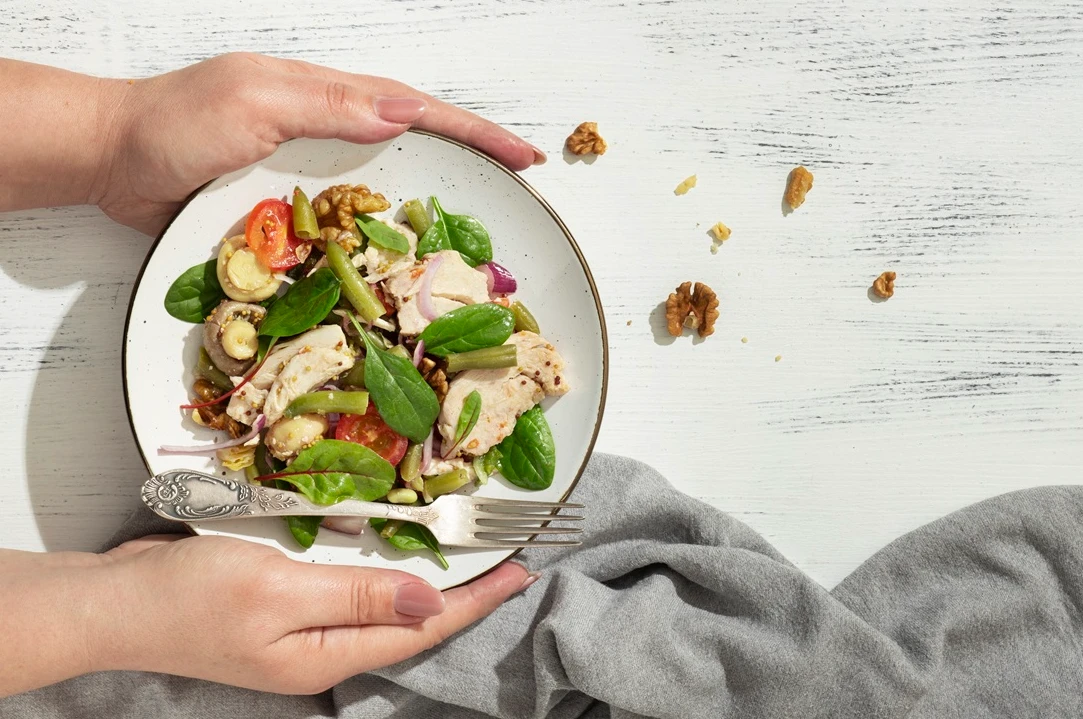
Carbohydrates are your body's preferred energy source during intense workouts. They help preserve muscle protein by providing readily available energy, preventing your body from breaking down muscle tissue for fuel. Complex carbohydrates like oats, sweet potatoes, and brown rice provide sustained energy and important nutrients.
Timing your carbohydrate intake around your workouts can enhance performance and recovery. Consuming carbs before training provides energy, while post-workout carbs help replenish glycogen stores.
Dietary fats play a crucial role in hormone synthesis, particularly testosterone and growth hormone. These hormones are vital for muscle growth and recovery. Include sources like avocados, nuts, seeds, olive oil, and fatty fish in your daily meals.
Aim for about 0.5-1 gram of fat per pound of body weight. While fats are calorie-dense, they're essential for optimal health and muscle-building hormone production.
Vitamins and minerals support numerous processes involved in muscle building. Vitamin D helps with protein synthesis and muscle function. B vitamins assist in energy metabolism. Minerals like zinc and magnesium support testosterone production and muscle recovery.
A varied diet rich in colorful fruits, vegetables, and whole grains typically provides adequate micronutrients. However, some individuals may benefit from targeted supplementation, especially for nutrients that are harder to obtain from food alone.
What you eat before training can significantly impact your workout performance. A pre-workout meal should include easily digestible carbohydrates for quick energy and a moderate amount of protein to provide amino acids during training.
Aim to eat 1-3 hours before your workout, depending on meal size. Larger meals need more time to digest, while smaller snacks can be consumed closer to training time.
The post-workout period is crucial for muscle recovery and growth. Your muscles are primed to absorb nutrients and begin the repair process. A combination of protein and carbohydrates within 1-2 hours after training helps maximize these benefits.
Fast-digesting proteins like whey protein can be particularly beneficial immediately after training. Pairing this with simple carbohydrates helps restore glycogen levels and enhance protein uptake by muscles.
Eating protein regularly throughout the day helps maintain elevated amino acid levels in your bloodstream. This sustained availability of building blocks supports continuous muscle protein synthesis, rather than just brief spikes after large meals.
Spreading your protein intake across 4-6 meals or snacks can be more effective than consuming the same amount in just 2-3 large meals. This approach helps optimize the muscle-building process throughout the day.
Clean eating for bodybuilders focuses on whole, minimally processed foods that provide maximum nutrition per calorie. These foods support muscle growth while providing essential vitamins, minerals, and antioxidants that aid recovery.
Lean proteins like chicken breast, fish, and eggs provide high-quality amino acids. Complex carbohydrates from oats, quinoa, and sweet potatoes offer sustained energy. Healthy fats from nuts, seeds, and avocados support hormone production.
Highly processed foods often contain excess sodium, added sugars, and unhealthy fats that can promote inflammation and interfere with recovery. These foods also tend to be calorie-dense but nutrient-poor, making it harder to meet your nutritional needs within your calorie goals.
Focus on foods with minimal ingredient lists and avoid items with artificial additives, preservatives, and trans fats. This approach supports better health and more efficient muscle building.
Proper hydration is essential for optimal muscle function and recovery. Water helps transport nutrients to muscle cells, removes waste products, and maintains proper muscle contraction. Even mild dehydration can negatively impact strength and endurance.
Aim for at least 8-10 glasses of water daily, with additional intake of electrolyte drinks during and after workouts. Your urine color can be a good indicator—pale yellow suggests adequate hydration.
Expert Tip: Nutrient Timing Magic
Strategically timing your nutrient intake can significantly boost muscle growth. Consume a combination of fast-digesting proteins and carbohydrates immediately after your workout to maximize muscle protein synthesis and glycogen replenishment.
This balanced approach provides steady energy while prioritizing protein intake. Start your day with Greek yogurt topped with berries and granola. For lunch, enjoy grilled chicken breast with quinoa and steamed vegetables. Dinner features salmon with sweet potato and asparagus. Include protein-rich snacks like cottage cheese with nuts between meals.
Carb cycling for muscle development alternates between high-carb and low-carb days to optimize body composition. On high-carb days, include oatmeal, rice, and fruits around workouts. Low-carb days focus on lean proteins, vegetables, and healthy fats. This approach can help build muscle while minimizing fat gain.
Plant-based muscle building requires careful protein planning. Combine legumes with grains for complete proteins. Include tofu, tempeh, and plant-based protein powders. Quinoa, hemp seeds, and nutritional yeast provide additional protein. This plan proves you can build muscle without animal products.
Low-carb muscle building focuses on high-fat, moderate-protein foods. Include fatty fish, grass-fed meats, eggs, and nuts. Avocados and olive oil provide healthy fats. While challenging, this approach can work for those who prefer minimal carbohydrates.
Time-restricted eating can be combined with muscle building by consuming all calories within an 8-hour window. Focus on nutrient-dense, protein-rich meals during eating periods. This approach may help with fat loss while preserving muscle mass when combined with resistance training.
A bulking nutrition strategy emphasizes higher calorie intake to maximize muscle growth. Include calorie-dense foods like nuts, nut butters, whole grains, and lean meats. This approach accepts some fat gain in exchange for rapid muscle building, typically followed by a cutting phase.
This weight training diet aligns nutrition with heavy training demands. Include pre-workout carbohydrates for energy, post-workout protein for recovery, and anti-inflammatory foods to support healing. Timing meals around training sessions optimizes performance and results.
Your calorie needs depend on factors like age, gender, weight, height, and activity level. Use your basal metabolic rate as a starting point, then add calories for daily activities and exercise. Online calculators can provide estimates, but you may need to adjust based on your body's response.
Track your weight, body composition, and strength gains for 2-3 weeks to determine if your calorie intake supports your goals. Adjust portions accordingly while maintaining your macronutrient ratios.
Some individuals respond better to higher carbohydrate intake, while others do well with more fats. Your training intensity, body composition goals, and personal preferences all influence the ideal macronutrient split.
Experiment with different ratios while keeping protein intake consistent. Monitor your energy levels, workout performance, and body composition changes to find your optimal balance.
The best meal plan is one you can stick to long-term. Include foods you enjoy while meeting your nutritional needs. If you dislike certain recommended foods, find suitable alternatives that provide similar nutrients.
Cultural food preferences, dietary restrictions, and lifestyle factors should all be considered when creating your personalized approach to muscle-building nutrition.
While whole foods should form the foundation of your nutrition plan, certain supplements can support your muscle-building goals. High-quality protein powders can help you meet your daily protein targets conveniently, especially around workout times.
Creatine monohydrate is one of the most researched supplements for strength and muscle gain. It helps regenerate energy during high-intensity exercise, potentially leading to better workout performance and muscle growth.
Supplements work best when they fill specific gaps in your diet or provide convenience. Use protein powder when whole food protein sources aren't practical, such as immediately after workouts or between meals.
Quality matters when choosing supplements. Look for products that have been third-party tested for purity and potency. This ensures you're getting what's listed on the label without harmful contaminants.
Remember that supplements are meant to supplement, not replace, a balanced diet. Most of your nutrients should come from whole foods, which provide additional beneficial compounds that supplements may lack.
Some individuals may experience digestive discomfort from certain supplements. Start with smaller doses to assess tolerance, and consult with healthcare professionals if you have underlying health conditions or take medications.
The ideal protein intake for lean muscle gain typically ranges from 1.6 to 2.2 grams of protein per kilogram of body weight per day. However, individual needs may vary based on factors such as age, gender, activity level, and overall health.
Yes, it's possible to build muscle on a vegetarian or vegan diet. The key is to ensure you're consuming adequate protein from plant-based sources such as legumes, quinoa, tofu, tempeh, and plant-based protein powders. Careful meal planning is essential to meet all nutritional requirements.
The timeline for noticeable muscle gains can vary greatly depending on factors such as genetics, diet, training intensity, and consistency. Generally, with proper nutrition and training, you may start to see visible changes within 4-8 weeks, with more significant gains becoming apparent after 3-4 months of dedicated effort.
While the overall calorie intake might remain similar, you may want to adjust your macronutrient ratios on training versus rest days. On training days, you might increase carbohydrate intake to fuel workouts and support recovery. On rest days, you could slightly reduce carbs while maintaining high protein intake to support muscle repair and growth.
While the anabolic window isn't as narrow as once thought, consuming a meal containing both protein and carbohydrates within 1-2 hours post-workout can be beneficial for muscle recovery and growth. This is especially important if you haven't eaten for several hours before your workout.
Building lean muscle requires a strategic approach to nutrition, combining the right balance of macronutrients with proper meal timing and food choices. The seven high protein meal plans outlined in this post provide a solid foundation for anyone looking to gain lean muscle mass. Remember, consistency in both diet and training is key to achieving your muscle-building goals. Experiment with these meal plans, listen to your body, and adjust as needed to find what works best for you. With patience and dedication, you'll be well on your way to achieving the lean, muscular physique you desire. At Wellbeing Nutrition, we understand that proper nutrition is the cornerstone of any successful fitness journey, and we're here to support you with science-backed solutions for your health and wellness goals.




Someone sent you


