7 Probiotic-Rich Foods to Boost Gut Health and Digestion
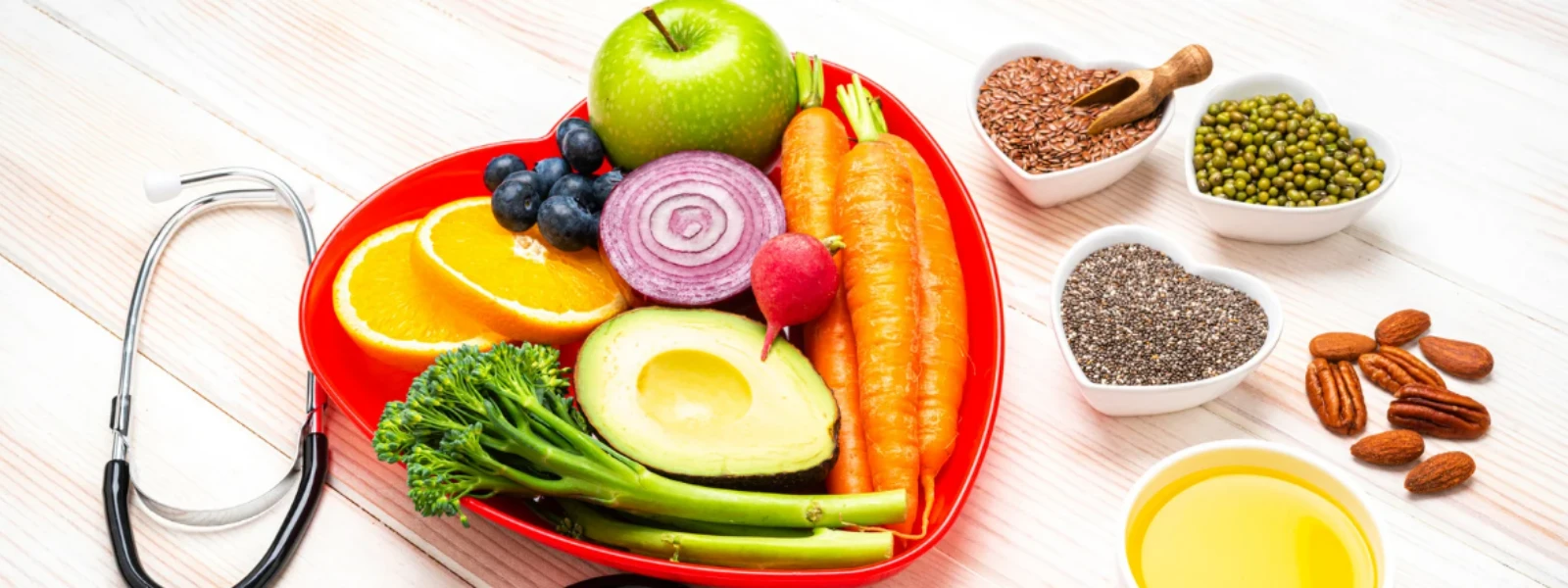


Your gut houses trillions of bacteria that play a crucial role in your overall health. These microscopic allies, known as probiotics, work tirelessly to support your digestive system, boost your immune system, and even influence your mood through the gut-brain connection. Research shows that a healthy gut microbiome can impact everything from weight management to mental clarity.
The foods you eat directly influence the balance of gut bacteria in your digestive system. While many people turn to supplements, incorporating probiotic-rich foods into your daily diet offers a natural and delicious way to nourish your gut flora. These seven powerhouse foods can help transform your gut health and support your body's natural digestive processes.
Probiotics are live microorganisms that provide health benefits when consumed in adequate amounts. These beneficial bacteria work alongside your body's natural gut flora to maintain a balanced microbiome. Think of them as friendly reinforcements that help crowd out harmful bacteria and support optimal digestive function.
Your digestive system contains approximately 100 trillion bacteria, making up what scientists call the gut microbiome. This complex ecosystem influences far more than just digestion. A healthy balance of gut bacteria supports your immune system, with about 70% of immune cells residing in your gut tissue.
The impact of probiotics extends well beyond your digestive system. Research reveals fascinating connections between gut health and various aspects of wellness. The gut-brain connection, often called the "second brain," involves constant communication between your digestive system and your central nervous system through the vagus nerve.
Studies suggest that certain probiotic strains may support weight management by influencing metabolism and fat storage. Some research indicates that people with diverse gut microbiomes tend to maintain healthier body weights compared to those with less bacterial diversity.
Yogurt remains one of the most accessible and well-researched probiotic foods. Traditional yogurt contains live cultures of Lactobacillus bulgaricus and Streptococcus thermophilus, while many commercial varieties include additional beneficial strains like Lactobacillus acidophilus and Bifidobacterium.
Choose plain, unsweetened yogurt to avoid added sugars that can feed harmful bacteria. Greek yogurt offers the added benefit of higher protein content, which can support muscle health and satiety. Look for labels that specifically mention "live and active cultures" to ensure you're getting viable probiotics.
A single serving of quality yogurt can provide billions of beneficial bacteria. For optimal gut health benefits, aim for yogurt that contains at least five different probiotic strains.
Kefir surpasses yogurt in probiotic diversity, containing up to 61 different strains of bacteria and yeasts. This tangy, slightly effervescent drink originates from the Caucasus Mountains and offers a more complex probiotic profile than most yogurts.
The fermentation process for kefir involves kefir grains, which are living symbiotic cultures of bacteria and yeast. This unique fermentation creates a drink rich in beneficial microorganisms that may support digestive health more effectively than single-strain products.
Kefir also provides protein, calcium, and B vitamins. Some studies suggest that kefir's diverse bacterial strains may be particularly beneficial for maintaining healthy cholesterol levels and supporting immune function.
This spicy Korean staple combines cabbage, garlic, ginger, and chili peppers through traditional fermentation methods. Kimchi contains Lactobacillus kimchii, a unique probiotic strain discovered specifically in this fermented food.
Beyond probiotics, kimchi provides fiber, vitamins A and C, and powerful antioxidants from its vegetable ingredients. The fermentation process not only creates beneficial bacteria but also increases the bioavailability of nutrients, making them easier for your body to absorb.
Traditional preparation methods involve natural fermentation without vinegar, which preserves the live bacterial cultures. Choose refrigerated kimchi over shelf-stable versions to ensure you're getting active probiotics.
Authentic sauerkraut contains only cabbage and salt, relying on natural fermentation to develop its characteristic sour flavor and probiotic content. This traditional European food provides Lactobacillus plantarum and other beneficial bacteria that support gut health.
The fermentation process breaks down the cabbage's natural sugars, creating an environment where beneficial bacteria thrive. Raw, unpasteurized sauerkraut offers the highest probiotic content, as heat treatment destroys live cultures.
Sauerkraut also provides Vitamin C, fiber, and antioxidants. The fermentation process actually increases certain nutrients, making them more bioavailable than in fresh cabbage.
Kombucha starts as sweetened tea that undergoes fermentation with a SCOBY (Symbiotic Culture of Bacteria and Yeast). This process creates a slightly alcoholic, effervescent drink rich in probiotics and beneficial compounds.
Quality kombucha contains various strains of bacteria and yeasts that may support digestive health. The tea base also provides antioxidants, particularly if made with green tea, which offers additional health benefits.
Choose kombucha with minimal added sugars and avoid varieties with artificial flavors. The fermentation process should result in a naturally tangy, slightly sweet taste without overwhelming artificial additives.
Did You Know?
Your gut microbiome is as unique as your fingerprint. The composition of bacteria in your digestive system is influenced by factors including genetics, diet, environment, and even your birth method. This uniqueness means that different probiotic foods may have varying effects on individuals, making dietary diversity particularly important for optimal gut health.
Miso undergoes fermentation with Aspergillus oryzae, a beneficial fungus that breaks down soybeans into a rich, umami-flavored paste. This traditional Japanese ingredient provides probiotics along with complete proteins and essential amino acids.
Different types of miso offer varying probiotic profiles. White miso ferments for shorter periods and has a milder flavor, while red miso undergoes longer fermentation, developing more complex flavors and potentially higher beneficial compound concentrations.
Miso also contains isoflavones, compounds that may support heart health and hormonal balance. Use miso in soups, marinades, or salad dressings, but avoid boiling it to preserve the live cultures.
Tempeh transforms whole soybeans through fermentation with Rhizopus oligosporus, creating a firm, nutty-flavored food rich in probiotics and complete proteins. Unlike many soy products, tempeh retains the whole bean, providing fiber along with beneficial bacteria.
The fermentation process increases the bioavailability of nutrients and creates beneficial compounds not found in unfermented soybeans. Tempeh provides all essential amino acids, making it an excellent protein source for vegetarians and vegans.
This versatile food can be grilled, baked, or crumbled into dishes. Its firm texture makes it an excellent meat substitute while providing unique probiotic benefits not found in other protein sources.
To get the most from probiotic foods, consistency matters more than quantity. Incorporating small amounts of various probiotic foods daily provides better results than consuming large amounts sporadically. This approach helps maintain a steady supply of beneficial bacteria for your gut.
Combine probiotic foods with prebiotic-rich foods like garlic, onions, bananas, and oats. Prebiotics feed beneficial bacteria, helping them thrive and multiply in your digestive system. This combination creates a synergistic effect that supports overall gut health.
Proper storage preserves probiotic viability. Keep fermented foods refrigerated and consume them before expiration dates. Avoid heating probiotic foods to high temperatures, as this destroys live cultures. Add miso to soups after removing them from heat, or enjoy fermented vegetables as cold side dishes.
Start slowly when introducing new probiotic foods, especially if you're not accustomed to fermented foods. Some people may experience temporary digestive changes as their gut microbiome adjusts to new bacterial strains.
Whole food sources of probiotics offer advantages beyond just bacterial cultures. They provide fiber, vitamins, minerals, and other beneficial compounds that work together to support gut health. The food matrix helps protect probiotics during digestion, potentially improving their survival rate.
However, supplements can provide specific strains in concentrated amounts, which may be beneficial for targeted health goals. Quality probiotic supplements undergo testing to ensure bacterial viability and may contain strains not commonly found in foods.
Consider your individual needs, dietary preferences, and health goals when choosing between food sources and supplements. Many people find success combining both approaches, using foods as a foundation and supplements for specific support.
Probiotics support digestive health by maintaining beneficial bacterial balance in the gut. They may help with occasional digestive discomfort, support immune function, and contribute to overall wellness through the gut-brain connection.
Kefir typically contains the highest diversity of probiotic strains, followed by yogurt, kimchi, and sauerkraut. The actual probiotic content varies by preparation method, storage conditions, and specific product formulation.
Research suggests that certain probiotic strains may influence metabolism and fat storage. A diverse gut microbiome appears to support healthy weight maintenance, though probiotics work best as part of an overall healthy lifestyle including balanced nutrition and regular exercise.
Since approximately 70% of immune cells reside in gut tissue, maintaining healthy gut flora through probiotic foods may support normal immune function. Beneficial bacteria help maintain the gut barrier and compete with harmful microorganisms.
Some people notice digestive improvements within a few days, while more significant changes in gut microbiome composition may take several weeks to months of consistent consumption. Individual responses vary based on starting gut health, diet, and lifestyle factors.
These seven probiotic-rich foods offer delicious and natural ways to support your gut health and overall wellness. From the familiar tang of yogurt to the complex flavors of kimchi and tempeh, each food provides unique bacterial strains and additional nutrients that work together to nourish your digestive system. Remember that building a healthy gut microbiome is a gradual process that benefits from consistency and variety. By incorporating these foods into your regular diet alongside a balanced lifestyle, you're taking important steps toward supporting your body's natural digestive processes and overall health. Consider exploring the range of wellness products designed to complement your healthy lifestyle and support your journey toward optimal gut health.




Someone sent you
Powered by ReferRush


