9 Best Protein Shakes for Weight Loss (2023 Guide)
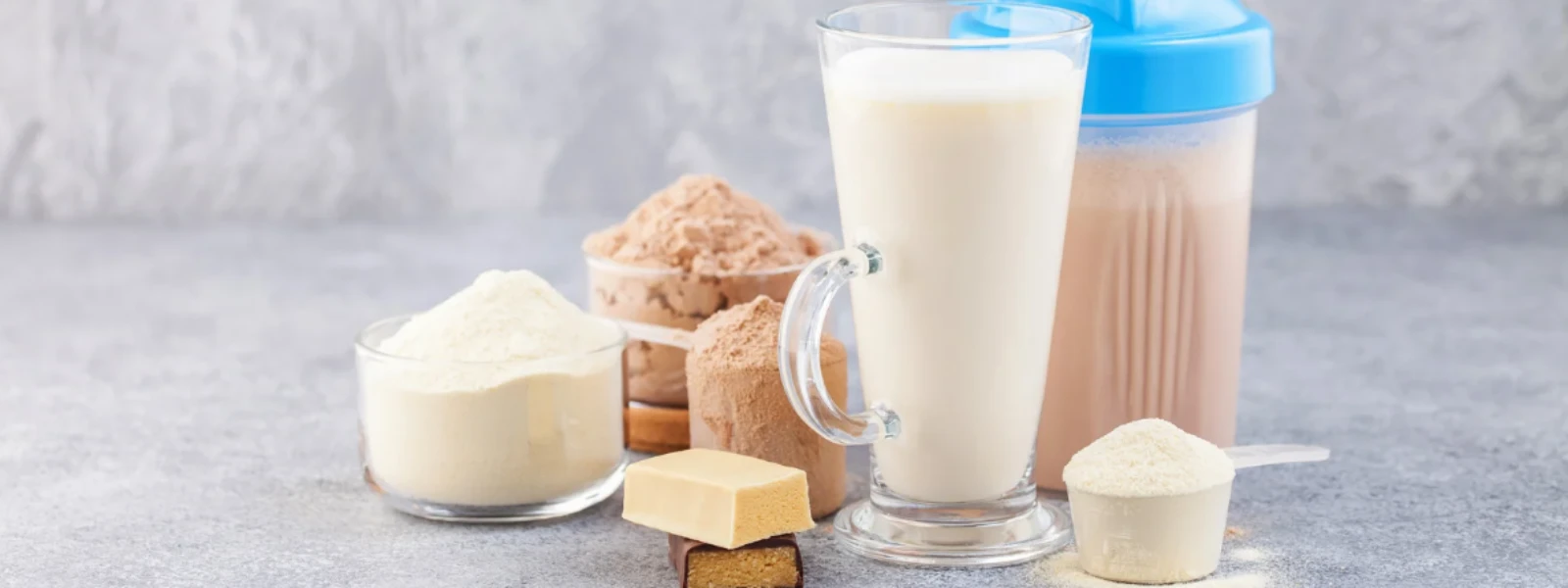


Weight loss journeys often feel overwhelming, especially when navigating countless diet trends and conflicting advice. However, protein shakes have emerged as a scientifically-backed tool that can significantly simplify your approach to healthy weight management. These nutrient-dense beverages offer a convenient way to increase your protein intake while supporting your metabolism and helping you feel satisfied throughout the day.
Research consistently shows that adequate protein consumption plays a crucial role in weight loss success. When combined with a balanced diet and regular exercise, protein shakes can help preserve lean muscle mass, boost metabolic rate, and reduce cravings that often derail weight loss efforts. The key lies in choosing the right protein shake that aligns with your specific goals, dietary preferences, and lifestyle needs.
Protein shakes work through several well-documented mechanisms that support healthy weight loss. Understanding these processes can help you make informed decisions about incorporating protein shakes into your routine.
The thermic effect of food refers to the energy your body uses to digest, absorb, and process nutrients. Protein has the highest thermic effect among all macronutrients, requiring approximately 20-30% of its calories for processing. This means your body burns more calories simply by digesting protein compared to carbohydrates or fats.
Studies published in respected journals demonstrate that protein consumption significantly impacts satiety hormones. When you consume protein, your body releases hormones like GLP-1 and peptide YY, which signal fullness to your brain. Simultaneously, protein suppresses ghrelin, often called the "hunger hormone," helping you feel satisfied for longer periods.
During weight loss, maintaining muscle mass becomes critical for long-term success. Adequate protein intake, especially when combined with resistance training, helps preserve lean muscle tissue even in a caloric deficit. This preservation is essential because muscle tissue burns more calories at rest compared to fat tissue, supporting your metabolic rate throughout your weight loss journey.
Clinical studies reveal that individuals who consume higher amounts of protein tend to lose more weight and maintain their weight loss more effectively than those following lower-protein diets. One significant study found that participants consuming 25-30 grams of protein per meal experienced better appetite control and reduced late-night snacking compared to those consuming lower amounts.
Did You Know?
Research shows that consuming 1.2-1.6 grams of protein per kilogram of body weight can increase feelings of fullness by up to 50% compared to lower protein intakes, making it easier to maintain a caloric deficit for weight loss.
The foundation of any effective protein shake lies in its protein content and quality. Look for shakes containing 20-30 grams of high-quality protein per serving. Complete proteins that contain all essential AmIno aciDS, such as whey, casein, or properly combined plant proteins, provide the most comprehensive nutritional support.
The protein quality can be assessed through various measures, including biological value and amino acid profiles. Whey protein consistently ranks among the highest quality proteins due to its excellent amino acid composition and rapid absorption rate.
For weight loss purposes, protein shakes should typically contain 100-200 calories per serving when used as snacks, or 200-400 calories when used as meal replacements. Lower calorie options work well for those following stricter caloric restrictions, while higher calorie versions may suit individuals with greater energy needs or those using shakes to replace full meals.
Beyond protein content, examine the overall nutritional profile. Quality protein shakes should contain minimal added sugars, artificial ingredients, and unnecessary fillers. Look for products that include beneficial nutrients like fiber, vitamins, and minerals that support overall health and weight management goals.
Whey protein remains the gold standard for many fitness enthusiasts and weight loss seekers. This complete protein derived from milk offers excellent bioavailability and rapid absorption, making it ideal for post-workout recovery and appetite management.
High-quality whey protein shakes typically contain 25-30 grams of protein per serving with minimal carbohydrates and fats. The fast absorption rate helps quickly satisfy hunger while providing essential AmIno aciDS for muscle maintenance during weight loss.
When selecting whey-based options, prioritize products that undergo third-party testing for purity and potency. This ensures you're getting the protein content listed on the label without unwanted contaminants.
Plant-based protein shakes have gained tremendous popularity due to their environmental sustainability and suitability for various dietary restrictions. Quality plant proteins often combine multiple sources like pea, rice, and hemp to create complete amino acid profiles.
These options typically include additional fiber, which can enhance satiety and support digestive health during weight loss. Many plant-based protein shakes also contain naturally occurring vitamins and minerals from their whole food sources.
For optimal results, choose plant-based shakes that provide at least 20 grams of protein per serving and combine complementary protein sources to ensure amino acid completeness.
Comprehensive meal replacement shakes offer balanced nutrition designed to substitute entire meals while supporting weight loss goals. These formulations typically include protein, healthy fats, complex carbohydrates, fiber, vitamins, and minerals in carefully calculated proportions.
Quality meal replacement shakes should provide 200-400 calories per serving with 20-30 grams of protein, 5-10 grams of fiber, and essential micronutrients. This combination helps maintain energy levels while creating the caloric deficit necessary for weight loss.
Specialized low-calorie protein shakes cater to individuals following more restrictive eating plans or those who prefer lighter options between meals. These formulations typically contain 15-25 grams of protein in 100-150 calories.
Despite lower calorie content, quality options maintain nutritional integrity through concentrated protein sources and strategic ingredient selection. They work particularly well as mid-morning or afternoon snacks to prevent hunger-driven overeating at main meals.
Casein protein offers unique benefits for weight loss due to its slow-release properties. These shakes provide sustained amino acid delivery over several hours, making them excellent choices for evening consumption or extended periods between meals.
The prolonged satiety effects of casein can help reduce late-night snacking and support overnight muscle recovery. This makes casein-based shakes valuable tools for individuals who struggle with evening hunger or want to optimize their sleep-time nutrition.
Preparing protein shakes at home allows complete control over ingredients and nutritional content. This approach often proves more cost-effective while enabling customization based on personal preferences and dietary requirements.
A basic weight loss protein shake should include a high-quality protein powder, liquid base, and optional nutrients like fruits, vegetables, healthy fats, and fiber sources. Start with 1-2 scoops of protein powder, 8-12 ounces of liquid, and add complementary ingredients based on your caloric goals.
Choose liquid bases that align with your dietary preferences and caloric goals. Unsweetened almond milk, water, or low-fat dairy milk work well for lower-calorie options, while coconut milk or regular dairy milk provide richer flavors and additional calories when needed.
Incorporate fiber-rich ingredients like berries, spinach, or chia seeds to enhance satiety and provide additional nutrients. Healthy fats from sources like avocado, nut butters, or flax seeds can improve taste and provide sustained energy, though they should be used moderately due to their caloric density.
A versatile berry protein shake might include one scoop of vanilla protein powder, one cup of unsweetened almond milk, half a cup of mixed berries, one cup of spinach, and one tablespoon of chia seeds. This combination provides approximately 200-250 calories with 25-30 grams of protein and 8-10 grams of fiber.
For chocolate lovers, blend one scoop of chocolate protein powder with unsweetened almond milk, half a banana, one tablespoon of natural almond butter, and a handful of ice. This creates a satisfying treat with around 300-350 calories and excellent nutritional balance.
The timing of protein shake consumption can significantly impact their effectiveness for weight loss. Research suggests that consuming protein shakes 30-60 minutes before meals can help reduce overall caloric intake by promoting early satiety signals.
Post-workout consumption within 30-60 minutes helps optimize muscle recovery while taking advantage of increased metabolic rate following exercise. For meal replacement purposes, protein shakes work best when substituting the meal you're most likely to overeat or skip entirely.
Most individuals benefit from 1-2 protein shakes per day as part of a comprehensive weight loss plan. Using protein shakes to replace one meal or two snacks typically provides the best results without creating excessive caloric intake.
Monitor your total daily protein intake to ensure you're meeting but not significantly exceeding your needs. Generally, consuming 0.8-1.2 grams of protein per kilogram of body weight supports weight loss goals while maintaining muscle mass.
Protein shakes should complement, not replace, a balanced diet rich in whole foods. Use shakes strategically to fill nutritional gaps, manage hunger between meals, or provide convenient post-workout nutrition.
Combine protein shake consumption with regular meals that include lean proteins, vegetables, fruits, whole grains, and healthy fats. This approach ensures comprehensive nutrition while leveraging the specific benefits protein shakes provide for weight management.
Yes, protein shakes can be highly effective for weight loss when used as part of a balanced diet and exercise program. They help increase protein intake, boost metabolism, reduce appetite, and preserve muscle mass during caloric restriction. However, they work best when combined with whole foods and healthy lifestyle choices rather than used as standalone weight loss solutions.
Most people benefit from 1-2 protein shakes per day during weight loss. One shake can replace a meal or serve as a substantial snack, while two shakes might replace one meal and one snack. The exact number depends on your total caloric needs, other protein sources in your diet, and individual weight loss goals.
The optimal timing depends on your goals and schedule. Consuming protein shakes 30-60 minutes before meals can reduce appetite and overall caloric intake. Post-workout consumption within an hour supports muscle recovery and takes advantage of increased metabolism. Evening consumption of slow-digesting proteins like casein can help control nighttime hunger.
Replacing all meals with protein shakes is not recommended for sustainable weight loss. While this approach might create rapid initial weight loss, it lacks the nutritional diversity needed for long-term health and can lead to nutrient deficiencies, muscle loss, and metabolic slowdown. A balanced approach combining protein shakes with whole foods produces better long-term results.
Most people tolerate protein shakes well, but some may experience digestive discomfort, especially when first increasing protein intake. Common minor side effects include bloating, gas, or stomach upset. These typically resolve as your body adapts. Choose high-quality products, start with smaller servings, and ensure adequate water intake to minimize potential side effects.
Protein shakes represent a valuable tool in your weight loss arsenal when chosen and used strategically. The key to success lies in selecting high-quality options that align with your nutritional needs, taste preferences, and lifestyle requirements. Whether you prefer convenient ready-to-drink options, customizable powder formulations, or homemade creations, the right protein shake can help bridge nutritional gaps while supporting your metabolism and appetite management goals. Remember that sustainable weight loss comes from creating lasting healthy habits, and protein shakes work best when integrated into a comprehensive approach that includes balanced nutrition, regular physical activity, and adequate rest. By understanding the science behind protein's role in weight management and applying this knowledge to your daily routine, you can harness the power of protein shakes to support your journey toward improved health and sustainable weight loss success.




Someone sent you
Powered by ReferRush


