A Step-by-Step Guide to Optimizing Protein Powder Nutrition
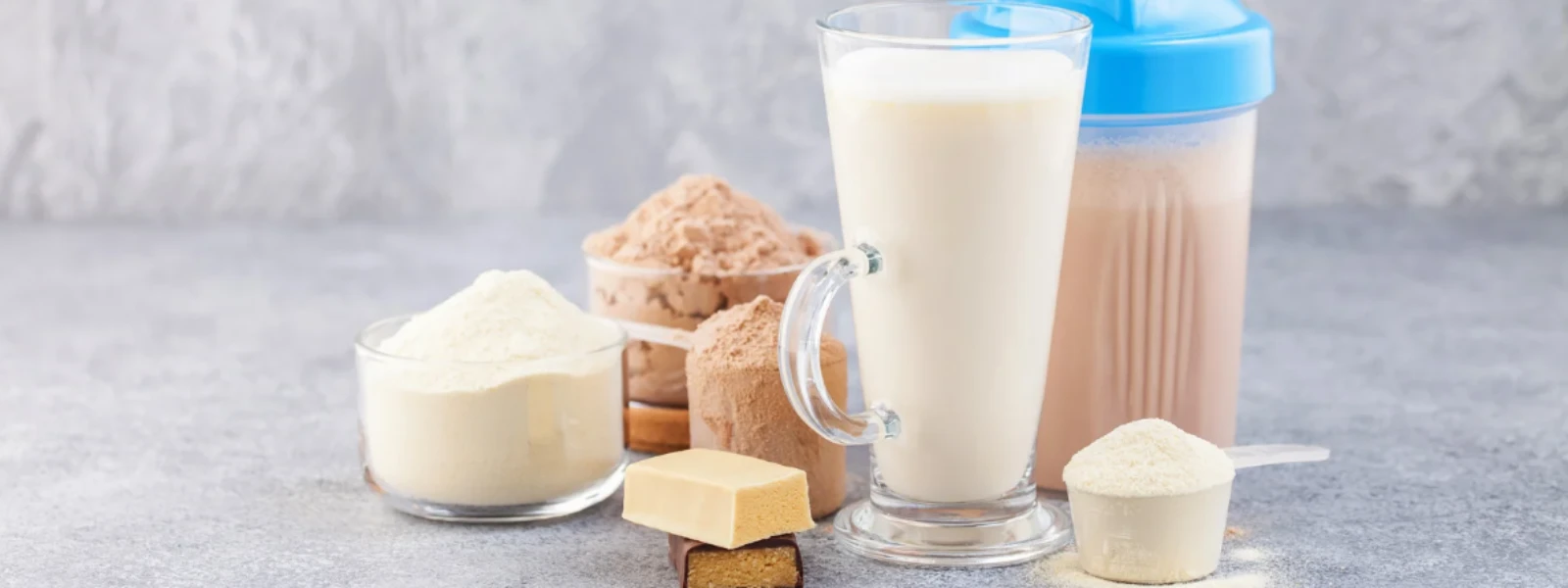


Getting the most out of your protein powder nutrition requires more than just mixing it with water and drinking it down. Whether you're looking to build muscle, manage weight, or simply supplement your dietary protein intake, understanding how to optimize your protein supplement can make a significant difference in your health journey.
This comprehensive guide will walk you through the science-backed steps to maximize the nutritional benefits of protein powder while helping you make informed choices about your protein intake strategy.
Protein powder is a concentrated form of protein derived from various sources, processed to remove most fats and carbohydrates. These supplements provide a convenient way to increase your daily protein intake, especially when whole food protein sources aren't readily available or practical.
The processing methods vary depending on the protein source, but the goal remains consistent: to create a highly bioavailable protein supplement that your body can easily digest and utilize for various physiological functions.
Whey protein comes from milk during the cheese-making process. It's considered a complete protein because it contains all nine essential AmIno aciDS your body cannot produce on its own. Whey protein is rapidly absorbed, making it particularly beneficial for post-workout recovery.
Research shows that whey protein has a high biological value, meaning your body can efficiently use most of the protein you consume. It's particularly rich in leucine, an amino acid that plays a crucial role in muscle protein synthesis.
Plant-based protein powders are derived from sources like peas, rice, hemp, or soy. While individual plant proteins may not always contain all essential amino acids in optimal ratios, many plant-based protein blends are formulated to provide a complete amino acid profile.
These options are ideal for those following vegetarian or vegan diets, or individuals with dairy sensitivities. Plant-based proteins often come with additional benefits like fiber and phytonutrients.
Most protein powders contain 20-30 grams of protein per serving, though this can vary by brand and type. Beyond protein content, many formulations include additional nutrients like vitamins, minerals, and digestive enzymes to enhance absorption and overall nutritional value.
The protein content typically ranges from 70-90% of the total powder weight, with the remainder consisting of flavoring agents, sweeteners, and additional nutrients.
Adequate protein intake is essential for muscle protein synthesis, the process by which your body repairs and builds muscle tissue. Protein powder provides a convenient way to meet increased protein needs, especially for active individuals.
Studies indicate that consuming protein within the post-workout window can enhance recovery and promote muscle growth when combined with resistance training.
Protein has a high thermic effect, meaning your body burns more calories digesting protein compared to fats or carbohydrates. Additionally, protein helps promote satiety, potentially reducing overall calorie intake throughout the day.
Including protein powder in your nutrition plan can help maintain lean muscle mass during weight loss phases, ensuring that most weight lost comes from fat rather than muscle tissue.
For individuals who struggle to meet their protein needs through whole foods alone, protein powder offers a practical solution. This is particularly relevant for older adults, vegetarians, or those with increased protein requirements due to illness or injury.
Did You Know?
The recommended dietary allowance for protein is 0.8 grams per kilogram of body weight for sedentary adults, but active individuals may need 1.2-2.0 grams per kilogram to support their training and recovery needs.
Calculate your individual protein requirements based on your body weight, activity level, and health goals. Active individuals typically need more protein than sedentary people, and those trying to build muscle may require even higher amounts.
Consider factors like age, gender, and overall health status when determining your optimal protein intake. Consulting with a healthcare professional can provide personalized recommendations.
Select a protein powder that aligns with your dietary preferences, digestive tolerance, and nutritional goals. If you have no dietary restrictions and prioritize rapid absorption, whey protein might be ideal. For those avoiding dairy or following plant-based diets, plant-based protein options offer excellent alternatives.
Consider factors like taste, mixability, and additional ingredients when making your selection. Some formulations include digestive enzymes or probiotics to enhance gut health and protein absorption.
Examine the protein content per serving, amino acid profile, and additional ingredients. Look for products with minimal artificial additives and check for third-party testing certifications to ensure quality and purity.
Pay attention to serving sizes, as they can vary between products. Some labels may appear to offer more protein per serving simply because they use larger serving sizes.
Use proper measuring tools to ensure consistent serving sizes. While timing isn't as critical as once believed, consuming protein powder around workouts or as part of balanced meals can help optimize its benefits.
Distribute your protein intake throughout the day rather than consuming large amounts in single servings, as your body has limits on how much protein it can effectively utilize at once.
Remember that protein powder is a supplement, not a replacement for whole food protein sources. Incorporate it into a varied diet that includes other protein sources like lean meats, fish, eggs, legumes, and dairy products.
This approach ensures you receive a full spectrum of nutrients and amino acids while avoiding over-reliance on processed supplements.
Track your results and adjust your protein intake as needed. Monitor factors like energy levels, recovery, body composition changes, and digestive comfort to determine if your current approach is working effectively.
Be prepared to modify your strategy based on changes in your training routine, health status, or nutritional goals.
Use adequate liquid to prevent clumping and ensure smooth texture. Blending with ice can improve consistency and make your protein shake more enjoyable to consume.
Allow time for the powder to fully dissolve, especially with plant-based proteins that may require more thorough mixing.
Enhance your protein shake by adding fruits, vegetables, healthy fats, or other nutritious ingredients. This creates a more complete meal while boosting the overall nutritional value.
Consider adding ingredients like spinach, berries, nut butters, or seeds to increase fiber, vitamins, minerals, and healthy fats.
Don't rely exclusively on protein powder for your protein needs. Avoid consuming excessive amounts, as this can strain your digestive system and provide no additional benefits.
Be mindful of added sugars and artificial ingredients that may compromise the nutritional quality of your protein supplement.
Protein powder offers convenience, portability, and concentrated nutrition. However, it lacks the complete nutritional profile and satiety provided by whole food protein sources.
Whole foods provide additional nutrients like vitamins, minerals, and fiber that supplements cannot fully replicate. They also tend to be more satisfying and promote better eating habits.
Aim to get most of your daily protein from whole food sources while using protein powder strategically to fill gaps or meet increased needs. This balanced approach ensures optimal nutrition while maintaining dietary variety.
Use protein powder as a convenient option for post-workout nutrition, busy mornings, or travel situations where whole food options are limited.
Develop a protein intake plan that incorporates both supplements and whole foods. Consider your daily schedule, cooking abilities, and lifestyle factors when creating a sustainable approach.
This strategy should be flexible enough to accommodate changes in your routine while consistently meeting your nutritional needs.
Most protein powders contain 20-30 grams of protein per serving, along with varying amounts of carbohydrates, fats, vitamins, and minerals. The exact nutritional profile depends on the protein source and manufacturing process. High-quality protein powders typically provide 80-90% protein by weight with minimal additives.
Yes, protein powders can be nutritious when chosen carefully and used appropriately. They provide high-quality protein and often include additional nutrients like vitamins and minerals. However, they should complement, not replace, a balanced diet rich in whole foods.
Most protein powders contain 70-90 grams of protein per 100 grams of powder. The exact amount varies by brand and type, with whey protein isolates typically containing the highest concentration, often reaching 85-90 grams per 100 grams.
Scoop sizes vary by manufacturer, but most standard scoops provide 20-30 grams of protein powder, which typically contains 15-25 grams of actual protein. Always check the product label for specific serving size and protein content information.
Whey protein is derived from milk and contains all essential amino acids with rapid absorption. Plant-based proteins come from sources like peas or rice and may require blending different sources to achieve a complete amino acid profile. Both can effectively support muscle building and recovery when used properly.
Optimizing protein powder nutrition involves understanding your individual needs, choosing the right product, and integrating it thoughtfully into a balanced diet. By following these evidence-based steps, you can maximize the benefits of your protein supplement while supporting your health and fitness goals. Remember that protein powder is a tool to enhance your nutrition, not a magic solution. The most effective approach combines quality supplementation with whole food protein sources, proper timing, and consistent monitoring of your progress. Consider consulting with a healthcare professional or registered dietitian to develop a personalized protein strategy that aligns with your specific needs and goals.




Someone sent you
Powered by ReferRush


