Checklist: 7 Hyaluronic Acid-Rich Foods for Healthy Skin


Your skin's natural glow isn't just about what you apply on the surface. The secret to radiant, youthful skin lies deep within your cells, where a powerful molecule called hyaluronic acid works tirelessly to keep your skin plump, hydrated, and healthy. While skincare products containing this wonder ingredient have taken the beauty world by storm, few people realize that the foods you eat can naturally boost your body's hyaluronic acid production.
This comprehensive checklist reveals seven hyaluronic acid rich foods that can transform your skin from within. By incorporating these natural sources of hyaluronic acid into your daily diet, you're giving your skin the building blocks it needs to maintain its moisture, elasticity, and that coveted healthy glow.
Hyaluronic acid is a naturally occurring substance in your body that acts like a moisture magnet. This gel-like molecule can hold up to 1,000 times its weight in water, making it essential for maintaining skin hydration and plumpness. Found naturally in your skin, joints, and eyes, hyaluronic acid helps maintain tissue structure and provides crucial lubrication.
Your skin contains about 50% of your body's total hyaluronic acid. This powerful molecule works by binding water molecules to skin cells, creating a plumping effect that smooths fine lines and maintains skin elasticity. As we age, our natural hyaluronic acid production decreases by approximately 1% each year after age 20, which is why incorporating foods high in hyaluronic acid becomes increasingly important.
While your body produces hyaluronic acid naturally, this production slows down with age, sun exposure, and environmental stressors. Certain nutrients act as building blocks or catalysts for hyaluronic acid synthesis. These include Vitamin C, magnesium, and amino acids found in various hyaluronic acid dietary sources.
Bone broth stands as one of the most potent natural sources of hyaluronic acid. Made by simmering animal bones for extended periods, this nutrient-dense liquid contains collagen, amino acids, and hyaluronic acid that directly benefit skin health. The slow cooking process breaks down cartilage and connective tissues, releasing these valuable compounds into an easily digestible form.
A single cup of bone broth provides approximately 10-15mg of naturally occurring hyaluronic acid, along with collagen peptides that support skin structure. The amino acids glycine and proline found in bone broth also serve as building blocks for your body's own hyaluronic acid production.
Did You Know?
Research published in the Journal of Clinical Medicine shows that consuming collagen-rich bone broth can increase skin hydration by up to 28% and reduce visible signs of aging within 8 weeks of regular consumption.
Soy products like tofu, tempeh, edamame, and soy milk contain phytoestrogens called isoflavones that support hyaluronic acid production. These plant compounds mimic estrogen in the body, which plays a crucial role in maintaining skin moisture and elasticity. Studies show that regular soy consumption can increase hyaluronic acid levels in the skin by up to 20%.
Edamame provides approximately 8mg of isoflavones per half-cup serving, while a 3-ounce serving of tofu contains about 20mg. These hyaluronic acid-containing foods also provide complete proteins and essential amino acids that support overall skin health.
Citrus fruits like oranges, lemons, grapefruits, and limes are among the best hyaluronic acid-rich fruits due to their high Vitamin C content and flavonoid called naringenin. Vitamin C is essential for collagen synthesis and helps maintain the enzymes responsible for hyaluronic acid production. Naringenin specifically inhibits the breakdown of hyaluronic acid in skin cells.
One medium orange provides about 70mg of Vitamin C, which is nearly 80% of your daily requirement. The combination of Vitamin C and naringenin makes citrus fruits powerful foods that boost hyaluronic acid naturally.
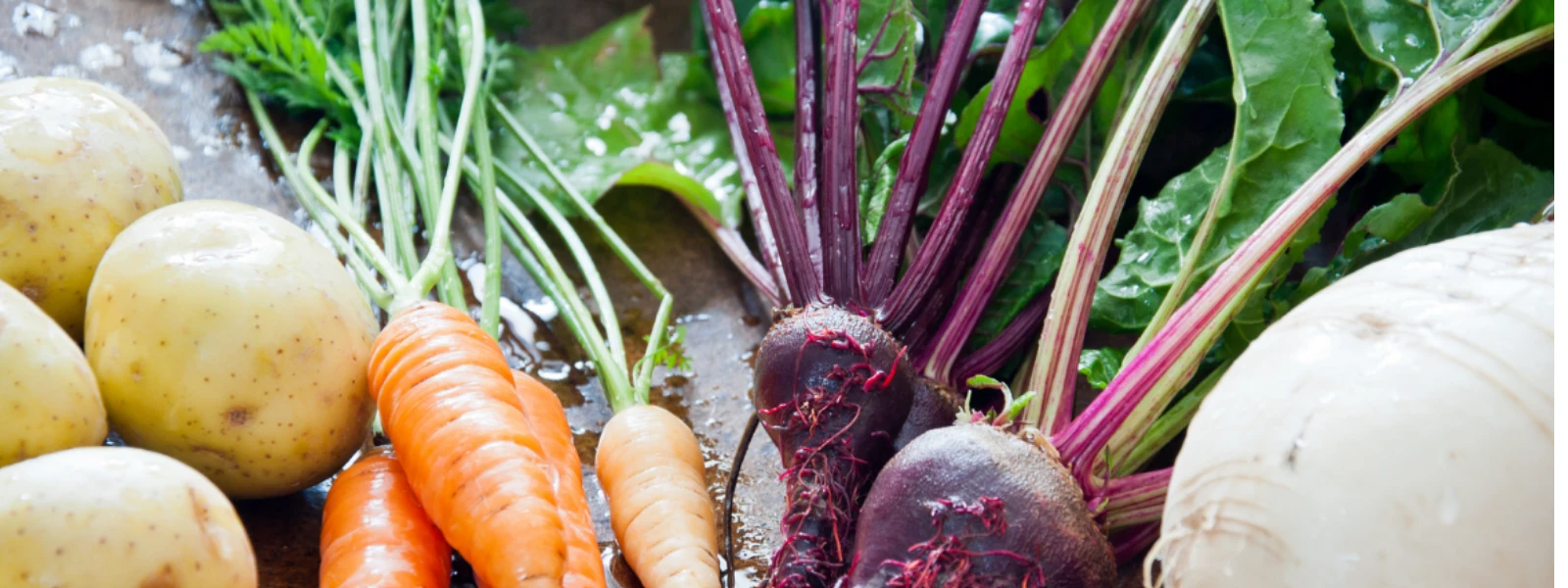
Root vegetables such as sweet potatoes, carrots, turnips, and parsnips are excellent hyaluronic acid-rich vegetables due to their high magnesium content. Magnesium is a crucial cofactor in hyaluronic acid synthesis, helping activate the enzymes responsible for producing this vital molecule. These vegetables also provide beta-carotene, which converts to Vitamin A and supports skin cell renewal.
A medium baked sweet potato contains approximately 54mg of magnesium, along with over 400% of your daily Vitamin A needs. The fiber content in root vegetables also supports gut health, which indirectly benefits skin appearance through improved nutrient absorption.
Dark leafy greens like kale, spinach, Swiss chard, and collard greens are nutrient powerhouses that support hyaluronic acid production through multiple pathways. These vegetables provide magnesium, Vitamin C, and antioxidants that protect existing hyaluronic acid from degradation while supporting new production.
One cup of cooked spinach provides 157mg of magnesium and 18mg of Vitamin C. The antioxidants in leafy greens, including lutein and zeaxanthin, help protect skin cells from oxidative stress that can break down hyaluronic acid.
Bell peppers, especially red and yellow varieties, contain even more Vitamin C than citrus fruits. A single red bell pepper provides over 190mg of Vitamin C, more than double the daily recommended intake. This makes them exceptional foods high in hyaluronic acid support nutrients.
The vibrant colors in bell peppers come from carotenoids, which provide additional antioxidant protection for skin cells. These compounds work synergistically with Vitamin C to maintain healthy hyaluronic acid levels and protect against environmental damage.
Nuts and seeds, particularly almonds, pumpkin seeds, and flaxseeds, provide essential fatty acids and Vitamin E that support hyaluronic acid synthesis. While they don't contain hyaluronic acid directly, these foods provide the building blocks and protective nutrients necessary for optimal skin health.
A quarter-cup of pumpkin seeds provides 185mg of magnesium, while almonds offer Vitamin E and healthy monounsaturated fats. Flaxseeds provide omega-3 fatty acids that help maintain skin barrier function and reduce inflammation that can break down hyaluronic acid.
To maximize the benefits of these hyaluronic acid-rich whole foods, timing and combination matter. Consuming Vitamin C-rich foods with magnesium-containing vegetables enhances the absorption and utilization of both nutrients. For example, pairing citrus fruits with leafy greens in a salad creates a synergistic effect that supports hyaluronic acid production.
Beyond diet, several lifestyle factors influence your body's ability to produce and maintain hyaluronic acid. Adequate hydration is crucial, as hyaluronic acid requires water to function properly. Aim for at least 8 glasses of water daily, and consider increasing intake when consuming hyaluronic acid-rich nutrient-dense foods.
Sleep quality also affects hyaluronic acid production, as this process primarily occurs during deep sleep phases. Protecting your skin from excessive sun exposure helps preserve existing hyaluronic acid, as UV radiation accelerates its breakdown.
Certain nutrients work together to support hyaluronic acid synthesis and protection. Zinc, found in pumpkin seeds and nuts, helps activate enzymes involved in hyaluronic acid production. Vitamin E acts as an antioxidant, protecting hyaluronic acid molecules from free radical damage.
Incorporating these foods into a hyaluronic acid-rich plant-based diet doesn't require dramatic changes. Simple swaps like choosing red bell peppers over other vegetables, adding bone broth to soups, or snacking on edamame can significantly boost your intake of hyaluronic acid-supporting nutrients.
While there's no established daily requirement for hyaluronic acid, studies suggest that 120-240mg of oral hyaluronic acid supplements can provide skin benefits. However, focusing on foods that support natural production is often more effective than trying to meet specific dosage requirements through diet alone.
Yes, a well-planned diet rich in the foods listed above can significantly support your body's natural hyaluronic acid production. The key is consistency and variety, ensuring you get adequate Vitamin C, magnesium, and other supporting nutrients daily.
Steam or lightly sauté vegetables to preserve Vitamin C content. For bone broth, slow cooking for 12-24 hours maximizes nutrient extraction. Raw preparations work well for citrus fruits and bell peppers, while light cooking can actually increase the bioavailability of carotenoids in root vegetables.
Most people notice initial improvements in skin hydration within 2-4 weeks of consistently consuming hyaluronic acid-supporting foods. More significant changes in skin texture and appearance typically become visible after 8-12 weeks of sustained dietary improvements.
Excessive sugar consumption can accelerate the breakdown of hyaluronic acid through a process called glycation. Highly processed foods and those high in trans fats can also promote inflammation that interferes with healthy hyaluronic acid production and maintenance.
Building radiant, youthful skin from within starts with understanding the power of hyaluronic acid-rich foods. This checklist of seven essential foods provides a practical roadmap for naturally supporting your skin's moisture, elasticity, and overall health. From the collagen-rich benefits of bone broth to the Vitamin C powerhouse of citrus fruits, each food offers unique advantages for maintaining optimal hyaluronic acid levels.
Remember that sustainable skin health comes from consistent, long-term dietary choices rather than quick fixes. By incorporating these natural sources of hyaluronic acid into your daily meals, you're investing in your skin's future while nourishing your entire body. The journey to healthier skin is a holistic one, and these nutrient-dense foods provide the foundation for lasting results that radiate from within.




Someone sent you
Powered by ReferRush


