Complete Guide: Adding Creatine Rich Foods to Diet
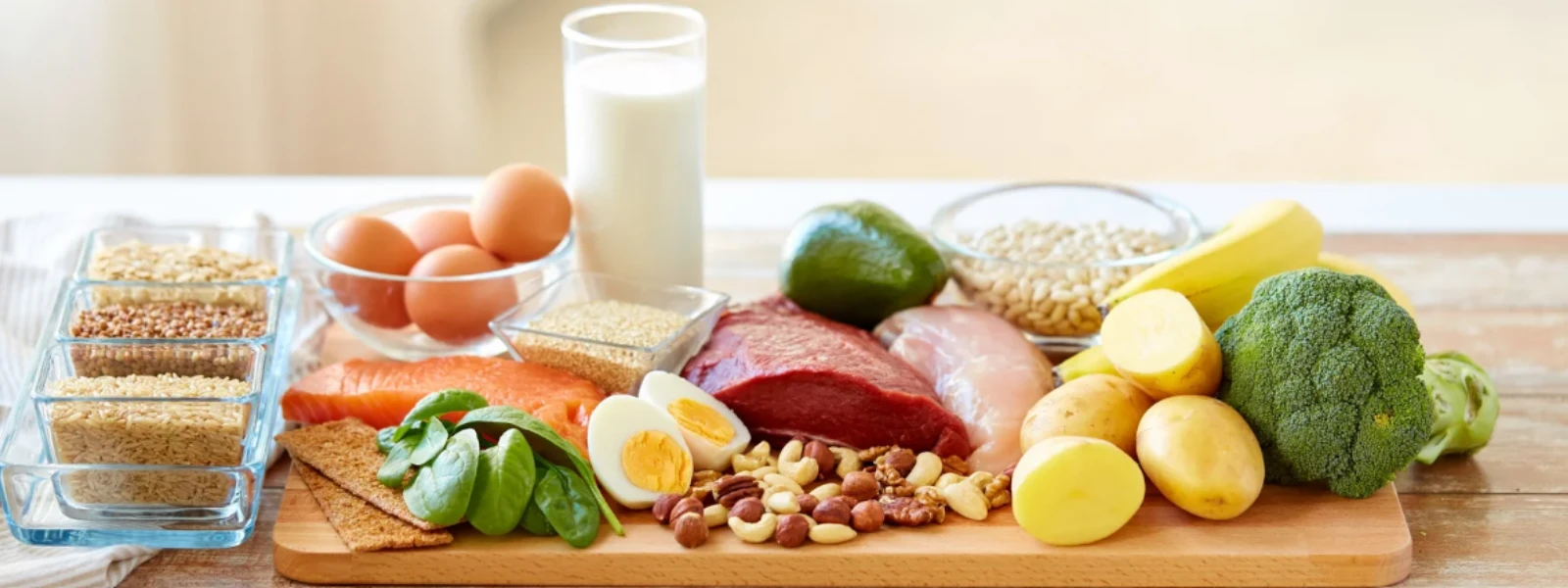


Your muscles are constantly working, even when you're at rest. Behind this continuous activity lies a fascinating energy system powered by creatine, a natural compound that fuels rapid muscle contractions and supports athletic performance. While many people turn to supplements for their creatine needs, nature provides abundant sources of this vital compound through everyday foods.
Understanding how to incorporate creatine rich foods into your daily diet can transform your approach to nutrition and performance. This comprehensive guide will walk you through the science of creatine, identify the best food sources, and provide practical strategies for maximizing your intake through smart meal planning.
Whether you're an athlete seeking enhanced performance, a fitness enthusiast looking to support muscle growth, or someone interested in optimizing their metabolic health, this guide will equip you with the knowledge to harness the power of dietary creatine effectively.
Creatine is a naturally occurring compound found primarily in muscle tissue, where it plays a crucial role in energy production. Unlike synthetic supplements, creatine comes packaged with complementary nutrients that support absorption and utilization in the body.
Your body produces approximately 1-2 grams of creatine daily through the liver, kidneys, and pancreas. However, this endogenous production typically meets only about half of your body's needs. The remaining requirement must come from dietary sources, making creatine sources in food an essential component of optimal nutrition.
Animal proteins contain the highest concentrations of creatine because these tissues have similar energy demands to human muscle. When you consume foods with creatine, your digestive system breaks down the compound and transports it to muscle cells, where it's converted into phosphocreatine for energy storage.
The primary function of muscle creatine involves rapid energy regeneration during high-intensity activities. When your muscles contract forcefully, they quickly deplete their immediate energy stores. Creatine helps regenerate these stores within seconds, allowing for sustained performance during activities like weightlifting, sprinting, or jumping.
Research consistently demonstrates that adequate creatine levels support muscle protein synthesis, reduce exercise-induced muscle damage, and enhance recovery between training sessions. These benefits extend beyond athletic performance to include improved cognitive function, as brain tissue also relies on creatine for energy production.
The metabolic advantages of creatine and metabolism include enhanced cellular hydration, improved insulin sensitivity, and support for healthy aging. Studies show that maintaining optimal creatine levels may help preserve muscle mass and strength as we age, making dietary creatine particularly important for long-term health.
Marine sources consistently rank among the highest creatine containing foods available. Herring leads this category with an impressive 1.25 grams of creatine per 4-ounce serving, making it one of nature's most concentrated sources.
Salmon provides approximately 0.4 grams per 100-gram serving, along with beneficial omega-3 fatty acids that support muscle recovery and reduce inflammation. Fresh tuna, cod, and mackerel offer similar creatine concentrations while providing high-quality protein and essential micronutrients.
Cooking methods significantly impact creatine content in fish. Gentle preparation techniques like steaming, poaching, or light grilling preserve more creatine compared to high-heat methods. Raw preparations like sashimi retain the highest levels, though proper food safety practices remain essential.
Beef stands out among high creatine foods with concentrations ranging from 0.5 to 0.7 grams per 4-ounce serving. Grass-fed varieties often contain slightly higher levels due to the animals' more active lifestyle and natural diet.
Pork provides substantial creatine content, particularly in lean cuts like tenderloin and chops. Game meats such as venison and bison offer excellent creatine concentrations while providing leaner protein profiles compared to conventional beef.
Chicken and turkey, while lower in creatine than red meat, still contribute meaningful amounts to your daily intake. Dark meat portions contain higher concentrations than white meat due to increased muscle fiber density and metabolic activity.
Organ meats deserve special mention as concentrated creatine sources. Heart, liver, and kidney tissues contain some of the highest natural creatine levels available, though they require acquired tastes and careful preparation.
Aged cheeses, particularly Parmesan, concentrate creatine through the aging process. A single ounce provides modest but consistent creatine intake along with high-quality protein and calcium.
Milk contains smaller amounts of creatine but offers the advantage of regular consumption. The protein matrix in dairy products may enhance creatine absorption and utilization in muscle tissue.
Eggs contribute to your creatine in diet primarily through their amino acid profile, which supports your body's natural creatine synthesis. While whole eggs contain minimal preformed creatine, they provide the building blocks necessary for endogenous production.
Vegetarian diets require a strategic approach to creatine nutrition since plants don't contain preformed creatine. However, your body can synthesize creatine from three amino acids: arginine, glycine, and methionine. Focusing on foods rich in these precursors supports natural creatine production.
This synthesis process occurs primarily in the liver and requires adequate intake of all three amino acids simultaneously. Combining complementary plant proteins throughout the day ensures your body has the raw materials needed for optimal creatine synthesis.
Legumes form the foundation of vegetarian creatine nutrition. Lentils, chickpeas, and various beans provide substantial amounts of arginine and glycine. Red lentils offer particularly high arginine content, while black beans excel in glycine provision.
Nuts and seeds contribute essential amino acids for creatine synthesis. Pumpkin seeds stand out for their arginine content, while walnuts and almonds provide balanced amino acid profiles. Sesame seeds and tahini offer concentrated sources of methionine, the limiting amino acid in many plant-based diets.
Soy products like tofu, tempeh, and edamame provide complete protein profiles with all essential amino acids. These foods support creatine synthesis while offering additional benefits like isoflavones and fiber.
Quinoa deserves recognition as a complete protein source containing all amino acids necessary for creatine synthesis. Its versatility makes it an excellent base for creatine-supporting meals.
Traditional Indian cuisine offers numerous options for supporting natural creatine production. Dal preparations combining different legumes create complementary amino acid profiles ideal for creatine synthesis.
Regional specialties like rajma (kidney beans), chana (chickpeas), and various lentil preparations provide excellent foundations for vegetarian creatine nutrition. Combining these with nuts, seeds, and dairy products creates synergistic effects for creatine support.
Did You Know?
Your body's creatine stores can increase by up to 20% through dietary optimization, even without supplements. This natural approach provides sustained benefits while supporting overall nutritional balance.
Preserving creatine content during food preparation requires understanding how heat and processing affect this delicate compound. Creatine breaks down at high temperatures, making gentle cooking methods essential for maintaining nutritional value.
Steaming, poaching, and low-temperature roasting preserve more creatine compared to grilling, frying, or high-heat roasting. When preparing meat or fish, aim for internal temperatures that ensure safety while minimizing creatine degradation.
Fresh foods consistently contain higher creatine levels than processed alternatives. Frozen options can retain substantial creatine content if properly handled, but avoid heavily processed meats and fish products that may have reduced nutritional value.
Distributing creatine rich foods throughout the day supports steady muscle uptake and utilization. Rather than consuming large amounts in single meals, aim for consistent intake across breakfast, lunch, and dinner.
Timing creatine-rich meals around physical activity may enhance uptake and utilization. Consuming these foods within two hours post-exercise takes advantage of increased muscle blood flow and nutrient sensitivity.
Combining creatine sources with carbohydrates can improve muscle uptake through insulin-mediated transport mechanisms. This doesn't require large amounts of carbohydrates – even modest portions of fruits or whole grains can enhance absorption.
Highly processed foods often contain additives that may interfere with nutrient absorption. Excessive sodium, artificial preservatives, and refined sugars can impact your body's ability to utilize dietary creatine effectively.
Alcohol consumption may impair creatine synthesis and utilization. While moderate intake likely doesn't cause significant problems, excessive alcohol can interfere with liver function and amino acid metabolism.
Achieving the 3-5 gram daily creatine intake often recommended for athletic performance through food alone requires substantial portions of animal proteins. For example, reaching 5 grams would require approximately 2.5 pounds of beef or 4 pounds of salmon daily.
Athletes with high training volumes may benefit from combining dietary sources with targeted creatine supplementation. This approach allows for optimal intake while maintaining dietary variety and nutritional balance.
Cost considerations also factor into this equation. While whole foods provide additional nutrients, supplements offer concentrated creatine at lower per-gram costs for those with high requirements.
A synergistic approach combining food sources with supplements often provides optimal results. Natural sources supply baseline creatine along with complementary nutrients, while supplements ensure adequate total intake for performance goals.
When choosing supplements, look for products with superior ingredients, highly absorbable formats, and palatable flavors. This ensures consistent intake and optimal utilization alongside your dietary creatine sources.
Successful creatine nutrition requires strategic meal planning that incorporates diverse sources throughout the week. Start by identifying your preferred creatine sources and building meals around these foundations.
A sample day might include salmon for breakfast, chicken breast for lunch, and beef for dinner, providing approximately 1.5-2 grams of dietary creatine. Vegetarian alternatives could feature lentil dal, quinoa salad with nuts, and tofu stir-fry to support natural synthesis.
Budget-friendly options include eggs, canned fish, ground meat, and dried legumes. These affordable sources allow consistent creatine intake without straining your food budget.
Monitoring your creatine consumption helps optimize intake and identify gaps in your nutrition plan. Simple food diaries or nutrition apps can track both preformed creatine and amino acid precursors.
Focus on weekly averages rather than daily perfection. This approach allows flexibility while ensuring consistent long-term intake patterns that support your health and performance goals.
Herring contains the highest natural creatine concentration at approximately 1.25 grams per 4-ounce serving. Other excellent sources include beef, salmon, and tuna, though at lower concentrations than herring.
Vegetables don't contain preformed creatine, but legumes like lentils and chickpeas provide amino acids that support your body's natural creatine synthesis. Combining these with nuts and seeds creates optimal conditions for creatine production.
Focus on incorporating fish, lean meats, and dairy products into your daily meals. For vegetarians, emphasize legumes, nuts, seeds, and complete proteins like quinoa to support natural creatine synthesis through amino acid provision.
Fruits don't contain significant amounts of creatine or its precursor amino acids. However, they provide important vitamins and antioxidants that support overall muscle health and recovery when combined with creatine-rich protein sources.
Creatine is the beneficial compound that supports muscle energy, while creatinine is a waste product of creatine metabolism. Foods contain creatine, not creatinine, and your kidneys filter creatinine from your blood for elimination.
Incorporating creatine rich foods into your daily nutrition provides a natural, sustainable approach to supporting muscle energy, performance, and overall metabolic health. From the concentrated creatine in herring and beef to the amino acid building blocks found in legumes and nuts, nature offers diverse options for meeting your creatine needs.
The key lies in understanding your individual requirements, choosing appropriate sources for your dietary preferences, and implementing consistent intake patterns. Whether you rely entirely on food sources or combine them with targeted supplementation, the foundation of optimal creatine nutrition starts with informed food choices and strategic meal planning. By applying the principles outlined in this guide, you can harness the natural power of dietary creatine to support your health and performance goals effectively.




Someone sent you
Powered by ReferRush


