Essential Checklist: Collagen vs Gelatin Guide
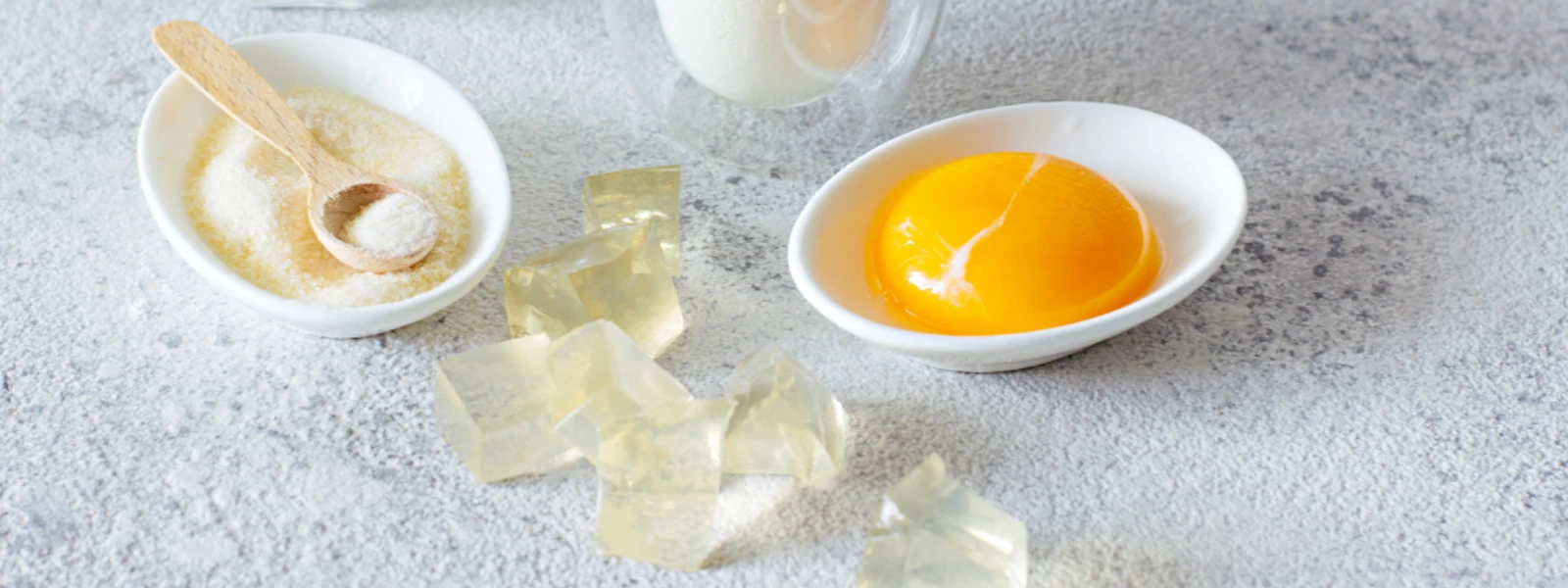


When it comes to protein supplements that support skin health, joint function, and overall wellness, two options consistently top the list: collagen and gelatin. While these proteins share a common origin, their differences in structure, absorption, and benefits can significantly impact your health goals. Understanding the collagen vs gelatin debate helps you make an informed choice based on your specific needs, whether you're targeting skin elasticity, joint support, or digestive health.
This comprehensive guide breaks down the essential differences between collagen and gelatin, examining their unique benefits, absorption rates, and practical applications. You'll discover which form works better for specific health goals and learn how to incorporate these powerful proteins into your daily routine effectively.
The fundamental collagen gelatin difference lies in their molecular structure. Collagen exists as a triple-helix protein structure in its natural form, consisting of three amino acid chains wound together. This complex structure provides strength and elasticity to connective tissues throughout your body.
Gelatin forms when collagen undergoes partial hydrolysis through heat treatment. This process breaks down the triple-helix structure, creating shorter amino acid chains that are easier to digest. The molecular transformation explains why gelatin dissolves in hot water and forms a gel when cooled, while collagen peptides remain liquid at room temperature.
Processing methods create distinct characteristics for each protein. Collagen peptides undergo complete hydrolysis, breaking proteins into even smaller fragments called peptides. This extensive processing results in a powder that dissolves easily in both hot and cold liquids without gelling properties.
Bioavailability represents a crucial factor when comparing hydrolyzed collagen vs gelatin. Research indicates that collagen peptides demonstrate superior absorption rates due to their smaller molecular size. These peptides can enter the bloodstream more efficiently, reaching target tissues faster than larger gelatin molecules.
Gelatin requires more extensive digestion before absorption occurs. Your digestive system must break down gelatin's larger protein chains into smaller peptides and amino acids. This process takes additional time and energy, potentially reducing the amount of protein that reaches your bloodstream.
The absorption timeline differs significantly between these proteins. Collagen peptides typically appear in blood plasma within 30-60 minutes after consumption, while gelatin may take 2-3 hours to reach peak absorption levels.
Clinical studies demonstrate that collagen supplementation supports skin elasticity and reduces visible signs of aging. Marine collagen peptides, in particular, show promising results in reducing fine lines and improving skin hydration. The smaller peptide size allows for better penetration into the dermis, where collagen synthesis occurs.
Joint support represents another significant advantage of collagen supplementation. Type II collagen specifically targets cartilage health, while Type I collagen supports bone density and strength. Regular collagen intake may help reduce joint pain and improve mobility in active individuals.
Collagen for metabolism offers additional benefits through its amino acid profile. The protein requires more energy to digest and metabolize compared to other proteins, potentially supporting weight management goals. Additionally, collagen's glycine content may help regulate blood sugar levels and support healthy metabolism.
Digestive health improvement stands out as gelatin's primary advantage. The protein forms a protective coating along the intestinal lining, potentially reducing inflammation and supporting gut barrier function. This property makes gelatin particularly beneficial for individuals with digestive sensitivities.
Gelatin for weight loss works through multiple mechanisms. The protein promotes satiety, helping you feel full longer after meals. Its glycine content may also support fat metabolism and help regulate appetite hormones. Some studies suggest that gelatin consumption before meals can reduce overall caloric intake.
Sleep quality improvement represents an often-overlooked gelatin benefit. The high glycine content in gelatin acts as an inhibitory neurotransmitter, promoting relaxation and potentially improving sleep onset and quality.
Both proteins share similar amino acid compositions, with glycine, proline, and hydroxyproline representing the most abundant components. Gelatin typically contains slightly higher concentrations of glycine, which explains its superior effects on sleep and digestive health.
The nutritional value differences between collagen and gelatin are minimal from a macronutrient perspective. Both provide approximately 6-7 grams of protein per serving with negligible carbohydrates and fats. However, the bioavailability differences significantly impact how your body utilizes these amino acids.
Did You Know?
Your body produces approximately 1-1.5 grams of collagen daily, but this production decreases by 1% each year after age 25. Supplementing with either collagen or gelatin can help bridge this gap and support healthy aging.
Research consistently shows that hydrolyzed collagen demonstrates superior bioavailability compared to gelatin. A study published in the Journal of Agricultural and Food Chemistry found that collagen peptides appeared in blood plasma at significantly higher concentrations than gelatin after oral consumption.
The speed of absorption creates practical implications for timing supplementation. Collagen peptides work well as pre-workout supplements due to their rapid absorption, while gelatin may be better suited for evening consumption when slower, sustained amino acid release is preferred.
Clinical evidence suggests that both forms can support skin health, but through different mechanisms. Collagen peptides directly stimulate fibroblast activity, promoting new collagen synthesis in the skin. Studies show measurable improvements in skin elasticity and hydration after 8-12 weeks of consistent use.
Gelatin's benefits for skin health work more indirectly through improved gut health and nutrient absorption. A healthy digestive system better absorbs vitamins and minerals essential for skin health, including Vitamin C, zinc, and biotin.
Choose collagen peptides when convenience and rapid absorption are priorities. These supplements mix easily into cold beverages, smoothies, and foods without altering texture or taste. They're ideal for active individuals seeking quick nutrient delivery.
Gelatin works better when you want sustained amino acid release or enjoy cooking applications. Its gelling properties make it perfect for homemade gummies, bone broths, and desserts while providing nutritional benefits.
Both collagen and gelatin provide similar macronutrient profiles. A typical serving contains 6-7 grams of protein, 25-30 calories, and minimal carbohydrates or fats. The caloric differences are negligible, making both suitable for weight management goals.
The protein quality differs slightly due to processing methods. Collagen peptides may have a marginally higher protein efficiency ratio due to improved absorption, but both forms provide complete amino acid profiles necessary for tissue repair and maintenance.
Pure collagen and gelatin contain minimal vitamins and minerals naturally. However, many commercial products include added nutrients like Vitamin C, biotin, or hyaluronic acid to enhance benefits. Always check product labels to understand what additional nutrients you're receiving.
Marine-sourced collagen may contain trace amounts of minerals from seawater, while bovine sources might provide small amounts of naturally occurring vitamins. These differences are typically minimal and shouldn't influence your decision significantly.
Collagen peptides dissolve completely in cold liquids, making them perfect for morning smoothies, coffee, or water. Start with 10-15 grams daily, divided into 1-2 servings for optimal absorption. Consistency matters more than timing, so choose a schedule you can maintain long-term.
For best results, consume collagen on an empty stomach or with Vitamin C-rich foods to enhance absorption. Avoid taking it with high-calcium foods or supplements, as calcium can interfere with amino acid absorption.
Gelatin requires hot liquid for complete dissolution. Mix 1-2 tablespoons into hot water, tea, or broth, stirring thoroughly to prevent clumping. Allow the mixture to cool if you want gelling properties for recipes.
For supplement purposes, consume gelatin 30-60 minutes before meals to maximize digestive benefits. Evening consumption may support better sleep quality due to its glycine content.
Substitution works for general protein supplementation, but consider your specific goals. If you prioritize rapid absorption for athletic performance, collagen peptides remain superior. For digestive support and sustained amino acid release, gelatin may actually provide better results.
Cost-effectiveness often favors gelatin, as it typically costs 20-30% less than hydrolyzed collagen supplements. However, the improved bioavailability of collagen peptides may justify the higher price for some individuals.
Quality indicators include grass-fed sourcing, third-party testing, and minimal processing. Look for products that specify the source animal and processing methods. Marine collagen offers the highest bioavailability, while bovine sources provide excellent value for money.
Grass-fed options typically contain higher levels of beneficial compounds and fewer contaminants compared to conventional sources. However, the price difference may be significant, so weigh the benefits against your budget constraints.
For joint health, both options provide benefits, but Type II collagen (often found in gelatin from cartilage) may offer superior cartilage support. For general joint maintenance, either form works effectively with consistent use.
Hair growth benefits appear similar between both forms, as the amino acid profiles support keratin production equally. Choose based on your preferred consumption method rather than expecting significant differences in hair health outcomes.
Weight loss and metabolism goals may favor gelatin due to its superior satiety effects and slower digestion. However, collagen's higher bioavailability might support muscle maintenance better during caloric restriction.
Neither is inherently healthier than the other. Gelatin offers superior digestive benefits and satiety, while collagen provides better absorption and convenience. Your health goals should determine which option serves you better.
No, collagen cannot revert to gelatin once consumed. Both forms break down into amino acids during digestion, which your body then uses to synthesize new proteins as needed.
Yes, both forms can support joint health by providing amino acids necessary for cartilage maintenance and repair. Clinical studies show improvements in joint pain and mobility with consistent supplementation of either form.
Both proteins provide amino acids that support keratin production, which may improve hair strength and growth. However, results typically require 3-6 months of consistent supplementation combined with a balanced diet.
Research suggests 10-15 grams daily for collagen peptides and 15-20 grams for gelatin to achieve therapeutic benefits. Start with lower doses and gradually increase to assess tolerance and effectiveness.
Conclusion
The choice between collagen and gelatin ultimately depends on your specific health goals, lifestyle preferences, and budget considerations. Collagen peptides excel in convenience and rapid absorption, making them ideal for active individuals seeking quick nutrient delivery and skin health benefits. Gelatin shines in digestive support, satiety, and cost-effectiveness, particularly benefiting those with gut health concerns or weight management goals. Both forms provide valuable amino acids that support overall health and wellness. Consider experimenting with both options to determine which aligns better with your routine and delivers the results you're seeking. Remember that consistency in supplementation matters more than the specific form you choose, so select the option you'll actually use regularly for the best long-term benefits.




Someone sent you
Powered by ReferRush


