Essential Checklist: Metabolism vs Digestion Guide
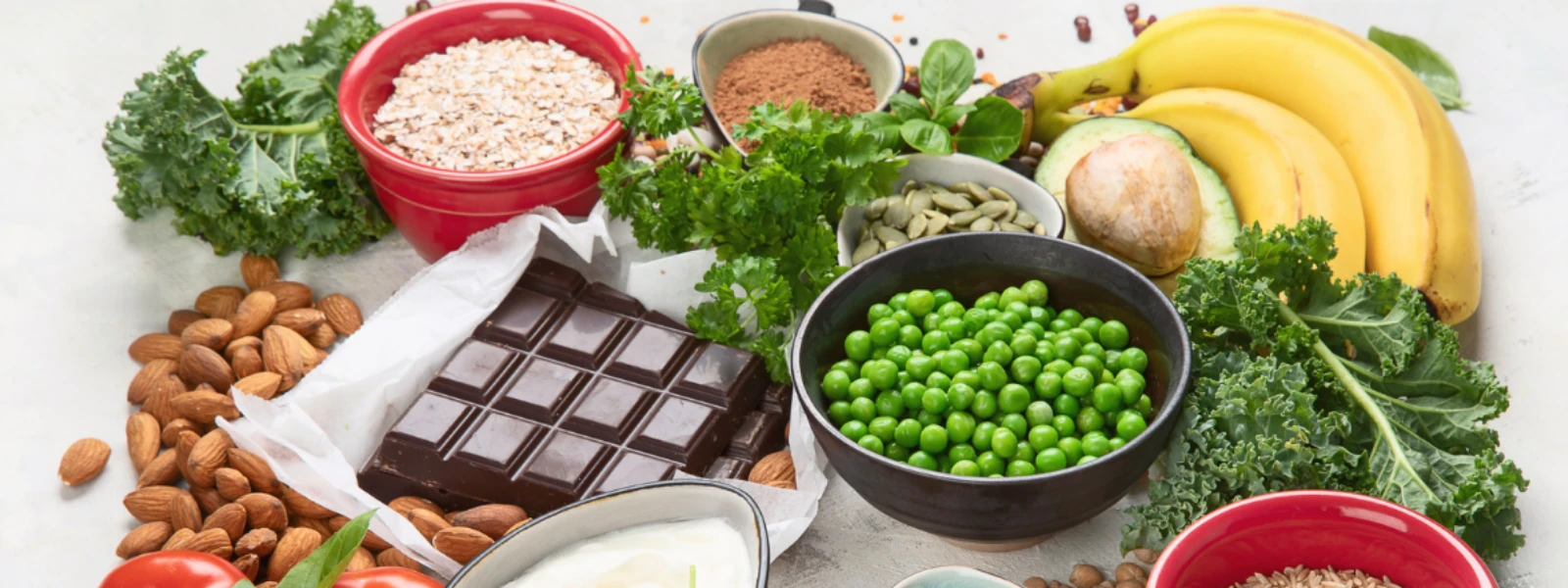


Your body performs thousands of complex processes every day, but two stand out as fundamental to your health: metabolism and digestion. While these terms are often used interchangeably, they represent distinct biological functions that work together to keep you energized and healthy.
Understanding the difference between metabolism vs digestion can help you make better decisions about your diet, exercise, and overall wellness routine. This guide will break down each process, explain how they interact, and provide you with practical tools to optimize both systems.
By the end of this article, you'll have a clear understanding of how your body processes food and converts it into energy, plus actionable steps to support both your digestive system and metabolic process.
Metabolism refers to all the chemical reactions that occur within your cells to maintain life. Think of it as your body's internal engine that converts nutrients into energy, builds and repairs tissues, and eliminates waste products.
The metabolic process consists of two main components:
Catabolism: The breakdown of complex molecules into simpler ones, releasing energy in the process. This includes breaking down carbohydrates, fats, and proteins to fuel your body's activities.
Anabolism: The building up of complex molecules from simpler ones, requiring energy input. This includes protein synthesis for muscle repair and growth.
Your cells utilize energy from nutrients through a complex series of biochemical reactions. The primary energy currency in your body is adenosine triphosphate (ATP), which powers everything from muscle contractions to brain function.
Your metabolic rate determines how quickly your body burns calories and includes several components:
Basal Metabolic Rate (BMR): The energy required for basic bodily functions at rest, accounting for 60-70% of total energy expenditure in most people.
Thermic Effect of Food: The energy cost of digesting, absorbing, and processing nutrients, typically 8-10% of total expenditure.
Physical Activity: Both planned exercise and spontaneous movement throughout the day.
Several factors influence your metabolic rate, including age, gender, body composition, genetics, and hormone levels. Thyroid hormones, insulin, and glucagon play crucial roles in regulating metabolic processes.
Digestion is the mechanical and chemical breakdown of food into smaller components that your body can absorb and utilize. This process transforms complex food molecules into simple nutrients that can enter your bloodstream.
The digestion process involves two main types of breakdown:
Mechanical Digestion: Physical breakdown of food through chewing, stomach churning, and intestinal contractions.
Chemical Digestion: Enzymatic breakdown of food molecules using digestive enzymes, acids, and bile.
Your digestive system includes the mouth, esophagus, stomach, small intestine, large intestine, liver, pancreas, and gallbladder. Each organ plays a specific role in processing food and extracting nutrients.
The journey of food metabolism through your digestive tract follows a precise sequence:
Mouth: Mechanical breakdown through chewing and initial chemical digestion via salivary enzymes.
Stomach: Acid and enzyme treatment, further mechanical breakdown through muscular contractions.
Small Intestine: Primary site of nutrient absorption, where most vitamins, minerals, carbohydrates, proteins, and fats enter the bloodstream.
Large Intestine: Water absorption and formation of waste products for elimination.
The entire process typically takes 24-72 hours, depending on individual factors and the type of food consumed. Gut health significantly impacts digestive efficiency and overall well-being.
Did You Know?
Your digestive system contains more nerve cells than your spinal cord, earning it the nickname "second brain." This extensive neural network helps coordinate the complex process of breaking down food and absorbing nutrients.
While metabolism and digestion work together, they serve different purposes and occur at different levels in your body.
Digestion: Breaks down food into absorbable nutrients
Metabolism: Converts absorbed nutrients into energy and building blocks for cellular processes
Digestion: Occurs in specific organs of the digestive tract over hours to days
Metabolism: Happens continuously in every cell throughout your body
These three processes work sequentially:
Digestion: Breaking down food into smaller molecules
Absorption: Transport of digested nutrients into the bloodstream
Metabolism: Cellular utilization of absorbed nutrients for energy and tissue maintenance
Your digestive and metabolic systems work in harmony to maintain energy balance and support bodily functions.
Once nutrients are absorbed from your digestive tract, they enter the bloodstream and travel to cells throughout your body. Some nutrients provide immediate energy, while others are stored for future use or used to build and repair tissues.
The timing between digestion completion and metabolic use varies by nutrient type. Simple carbohydrates can be metabolized within minutes, while complex proteins may take hours to be fully processed and utilized.
Hormones coordinate the relationship between digestion and health by regulating both processes:
Insulin: Promotes glucose uptake by cells and storage of excess energy
Glucagon: Stimulates the release of stored energy when blood sugar drops
Thyroid Hormones: Regulate overall metabolic rate and digestive function
Supporting both your digestive and metabolic health requires a comprehensive approach that addresses diet, lifestyle, and overall wellness.
Certain foods and eating patterns can support both metabolism and weight management while promoting healthy digestion:
Protein-rich foods: Support muscle maintenance and have a higher thermic effect, boosting metabolic rate
Fiber-rich foods: Promote healthy digestion and may increase energy expenditure during processing
Adequate hydration: Essential for both digestive enzyme function and metabolic processes
Regular physical activity benefits both systems by improving circulation, supporting muscle mass, and promoting healthy gut function. Quality sleep is equally important, as it allows your body to repair tissues and regulate hormones that control both digestion and metabolism.
Stress management also plays a crucial role, as chronic stress can negatively impact both digestive function and metabolic efficiency.
Not necessarily. A fast metabolism means your cells burn energy quickly, but this doesn't directly correlate with how quickly food moves through your digestive tract. Digestive speed depends more on factors like fiber content, hydration, and individual gut health.
Yes, poor digestion can indirectly affect metabolism. If your body cannot properly absorb nutrients, it may not have the building blocks needed for optimal metabolic function. Additionally, digestive issues can trigger inflammation that may impact metabolic efficiency.
This varies by nutrient type. Simple sugars can be metabolized within 15-30 minutes of absorption, while proteins and fats may take several hours. The complete metabolic processing of a meal can continue for 6-8 hours or longer.
Your gut microbiome influences metabolism by affecting nutrient absorption, inflammation levels, and hormone production. A healthy, diverse gut microbiome generally supports better metabolic function and may help maintain a healthy weight.
Absolutely. Many strategies benefit both systems, including eating a balanced diet rich in whole foods, staying hydrated, exercising regularly, managing stress, and getting adequate sleep. These lifestyle factors support optimal function of both digestive and metabolic processes.
Understanding the distinction between metabolism and digestion empowers you to make informed decisions about your health. While digestion breaks down food into absorbable nutrients, metabolism converts those nutrients into energy and building blocks for cellular function. These interconnected processes work together to maintain your health and vitality.
By supporting both systems through proper nutrition, regular exercise, adequate sleep, and stress management, you can optimize your body's ability to process food efficiently and maintain steady energy levels. Remember that individual variations exist, and what works best for one person may differ for another.
Consider exploring science-backed nutritional supplements that support both digestive and metabolic health as part of a comprehensive wellness approach. Focus on sustainable lifestyle changes that promote long-term health rather than quick fixes that may compromise either system.




Someone sent you
Powered by ReferRush


