Essential Checklist: Your Healthy Cleanse Guide


Your body has its own natural detox system working 24/7 through your liver, kidneys, and digestive tract. But sometimes, you might want to give these hardworking organs some extra support through a healthy cleanse. Unlike extreme detox programs that promise overnight miracles, a science-backed approach to cleansing focuses on nourishing your body while supporting its natural detox processes.
This comprehensive guide will walk you through everything you need to know about safe and effective cleansing methods. You'll discover different types of body cleanse approaches, learn how to prepare properly, and understand what to expect during and after your cleanse journey.
A healthy cleanse is a structured approach to eating and living that supports your body's natural detoxification processes. Unlike extreme fad diets, a proper detox cleanse focuses on removing processed foods, increasing nutrient intake, and supporting organ function through whole foods and healthy lifestyle practices.
Research published in the Journal of Human Nutrition and Dietetics shows that our bodies are constantly detoxifying through the liver, kidneys, lungs, and skin. A natural cleanse simply provides these organs with the nutrients they need to function optimally while reducing the toxic load from processed foods, excess sugar, and environmental pollutants.
The key difference between a healthy approach and extreme detox methods lies in sustainability and safety. A proper body cleanse maintains adequate nutrition while supporting detox pathways, rather than severely restricting calories or eliminating entire food groups for extended periods.
Your liver processes over 500 functions daily, making it your body's primary detox organ. A liver cleanse focuses on foods and practices that support this vital organ's natural processes.
Cruciferous vegetables like broccoli, Brussels sprouts, and kale contain compounds that support liver detoxification pathways. Citrus fruits provide Vitamin C and antioxidants that protect liver cells from oxidative stress. Green tea offers catechins that support liver function and may help protect against fatty liver disease.
A safe liver cleanse typically lasts 7-14 days and emphasizes whole foods while eliminating alcohol, processed foods, and excess sugar. Always consult with a healthcare provider before starting any liver-focused cleanse, especially if you have existing liver conditions.
A gentle colon cleanse supports digestive health through increased fiber intake and proper hydration. Your colon naturally eliminates waste, but a cleanse can help optimize this process.
High-fiber foods like beans, lentils, apples, and whole grains promote healthy bowel movements and support beneficial gut bacteria. Adequate water intake—at least 8-10 glasses daily—helps soften stool and support natural elimination.
Avoid harsh colon cleanse products or procedures unless recommended by a healthcare provider. Natural approaches through diet and hydration are safer and more sustainable for most people.
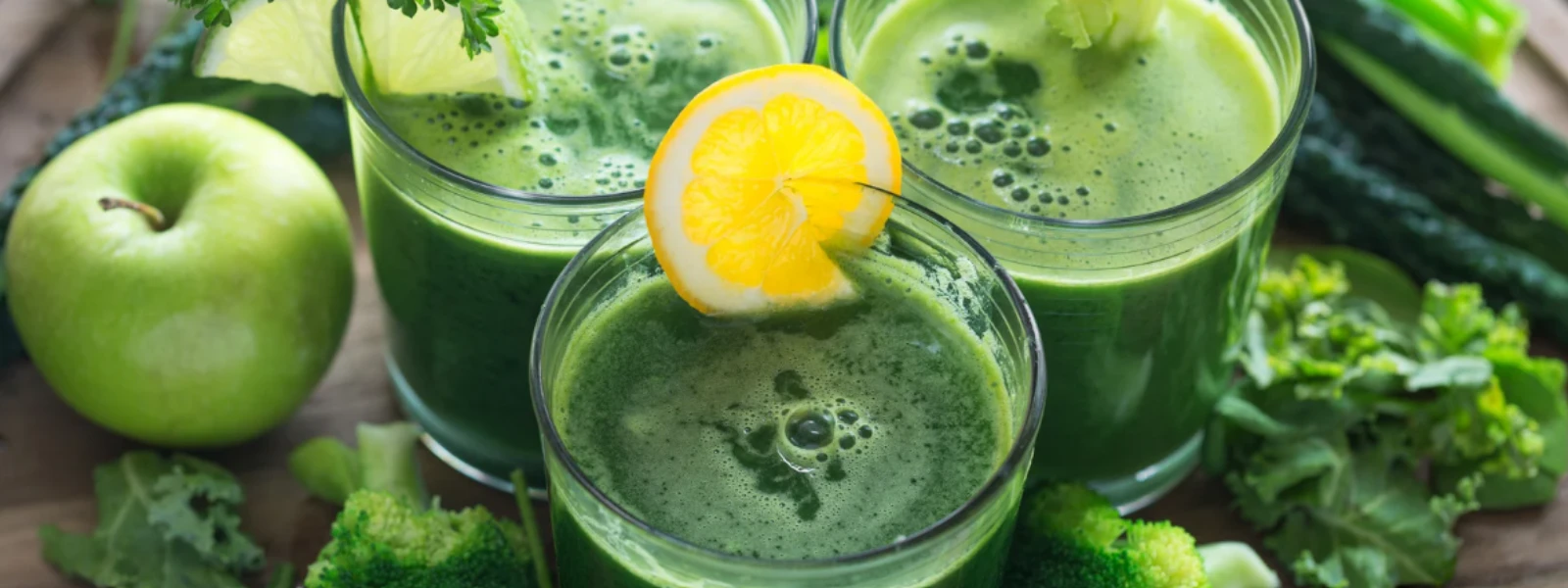
A short-term juice cleanse can provide concentrated nutrients while giving your digestive system a brief rest. However, these should be limited to 1-3 days for most people.
Focus on vegetable-based juices with minimal fruit to avoid blood sugar spikes. Include greens like spinach and kale, along with cucumber, celery, and small amounts of apple or lemon for flavor. Avoid store-bought juices with added sugars or preservatives.
Juice cleanses aren't suitable for everyone, particularly those with diabetes, eating disorders, or certain medical conditions. They should never replace balanced meals for extended periods.
A clean eating approach is often the most sustainable form of cleansing. This method focuses on whole, unprocessed foods while eliminating refined sugars, processed foods, and artificial additives.
Emphasize organic fruits and vegetables, lean proteins, whole grains, and healthy fats. This approach provides sustained energy while supporting natural detox processes without extreme restrictions.
Clean eating can be maintained long-term, making it an excellent foundation for ongoing health rather than a short-term fix.
Proper preparation is crucial for a successful and safe detox cleanse. Start by consulting with a healthcare provider, especially if you have any medical conditions or take medications.
Begin reducing caffeine, alcohol, and processed foods 3-5 days before starting your cleanse. This gradual transition helps minimize withdrawal symptoms and prepares your body for the change.
Stock your kitchen with cleanse-appropriate foods. Fresh vegetables, fruits, whole grains, and lean proteins should form the foundation of your shopping list. Remove tempting processed foods from your home to avoid unnecessary challenges.
Plan your meals and snacks in advance. Having a clear plan reduces decision fatigue and helps you stay on track when cravings hit.
Ensure you're getting adequate sleep and managing stress levels. Both factors significantly impact your body's ability to detoxify effectively.
Did You Know?
Your liver processes toxins more efficiently during deep sleep phases. Getting 7-9 hours of quality sleep nightly can enhance your body's natural detox processes by up to 60%, making rest just as important as diet during a cleanse.
Start each day with warm lemon water to support liver function and hydration. This simple practice helps kickstart your digestive system and provides Vitamin C for antioxidant support.
Eat regular meals to maintain stable blood sugar levels. Skipping meals can stress your body and counteract the benefits of your cleanse diet. Focus on nutrient-dense foods that provide sustained energy.
Stay hydrated throughout the day. Water supports kidney function, helps flush toxins, and maintains proper cellular function. Herbal teas like dandelion, milk thistle, or green tea can provide additional detox support.
Include gentle movement like walking, yoga, or light stretching. Exercise supports circulation and lymphatic drainage, both important for natural detoxification. Avoid intense workouts that might stress your body during the cleanse.
Monitor how you feel and adjust accordingly. Some mild fatigue or headaches are normal in the first few days, but severe symptoms warrant stopping the cleanse and consulting a healthcare provider.
The end of your cleanse isn't the finish line—it's the beginning of sustainable healthy habits. Gradually reintroduce foods you eliminated, paying attention to how your body responds.
If weight loss was a goal of your weight loss cleanse, focus on maintaining the healthy eating patterns you established. Rapid weight regain often occurs when people immediately return to old eating habits.
Continue emphasizing whole foods, adequate hydration, and regular movement. These foundational practices support ongoing health and can help maintain any benefits you gained during your cleanse.
Consider incorporating periodic mini-cleanses or clean eating days to support your body's natural detox processes without the commitment of a full cleanse program.
Avoid extreme programs that promise dramatic results in unrealistic timeframes. A safe natural cleanse supports your body's existing processes rather than forcing dramatic changes that could be harmful.
Don't ignore hunger cues or severely restrict calories. Your body needs adequate nutrition to support detoxification pathways effectively.
Avoid cleansing during stressful periods, illness, or major life changes. Your body needs extra resources during these times, not additional stress from dietary restrictions.
Never extend a cleanse beyond recommended timeframes without medical supervision. What starts as a healthy practice can become problematic if taken to extremes.
Be wary of expensive supplements or products that claim to be essential for detoxification. Your body's natural detox systems are remarkably effective when supported through proper nutrition and lifestyle practices.
Most healthy cleanses last between 3-14 days, depending on the type and your experience level. Beginners should start with shorter durations and gradually increase if desired. Always listen to your body and consult a healthcare provider for personalized guidance.
Light to moderate exercise like walking, gentle yoga, or stretching is beneficial during most cleanses. Avoid intense workouts that might stress your body when it's adjusting to dietary changes. Focus on movement that supports circulation and stress relief.
Signs of liver support include improved energy levels, clearer skin, better digestion, and more restful sleep. However, dramatic changes aren't necessary for an effective cleanse. Subtle improvements in how you feel are often more meaningful than dramatic symptoms.
Short-term juice cleanses may result in temporary weight loss, but this is primarily water weight and will return when normal eating resumes. For sustainable weight management, focus on long-term dietary changes rather than quick fixes.
Most people can safely do a gentle cleanse seasonally—about 3-4 times per year. However, focusing on daily healthy habits like eating whole foods, staying hydrated, and getting adequate sleep provides ongoing detox support without the need for frequent formal cleanses.
A healthy cleanse can be a valuable tool for supporting your body's natural detoxification processes when approached safely and scientifically. The key lies in choosing methods that nourish rather than deprive, support rather than stress, and educate rather than restrict. Whether you choose a gentle liver cleanse, clean eating approach, or short-term juice cleanse, remember that the most effective detox happens through consistent healthy habits rather than extreme measures. Your body is remarkably capable of healing and cleansing itself when provided with proper nutrition, adequate rest, and mindful care.



