How Prebiotics Can Help Curb Sugar Cravings


Sugar cravings can feel overwhelming, especially when they strike at 3 PM or after dinner. While many people blame lack of willpower, emerging research reveals a fascinating truth: your gut bacteria might be the real culprit behind those persistent sweet tooth urges. The connection between gut health and sugar cravings opens up a promising avenue for natural appetite control through prebiotics.
This comprehensive guide explores how prebiotics can reduce sugar cravings naturally by optimizing your gut microbiome. You'll discover the science behind this gut-brain connection, learn about specific prebiotic foods that curb cravings, and get practical strategies to implement this approach for lasting results.
Your gut houses trillions of bacteria that communicate directly with your brain through the gut-brain axis. This complex network influences everything from mood to appetite regulation. When your gut microbiome becomes imbalanced, certain harmful bacteria can actually hijack your cravings and demand more sugar to fuel their growth.
Research published in the journal Cell Metabolism shows that specific gut bacteria produce metabolites that influence neurotransmitter production in the brain. When beneficial bacteria are outnumbered by sugar-loving harmful bacteria, your brain receives signals that trigger intense sugar cravings.
The gut microbiome also affects blood sugar stability through its impact on insulin sensitivity. An imbalanced gut can lead to blood sugar spikes and crashes, creating a cycle where your body constantly craves quick energy from sugary foods. This explains why traditional willpower approaches often fail – you're fighting against biological signals rather than addressing the root cause.
Beneficial gut bacteria produce short-chain fatty acids (SCFAs) when they ferment fiber from prebiotic foods. These SCFAs, particularly butyrate and propionate, play crucial roles in appetite regulation. They stimulate the release of satiety hormones like GLP-1 and PYY, which signal fullness to your brain and naturally reduce cravings for high-calorie foods.
Multiple clinical studies demonstrate that prebiotics can effectively reduce sugar cravings through gut microbiome optimization. A 2019 study in the American Journal of Clinical Nutrition found that participants who consumed 16 grams of inulin daily for 12 weeks experienced significant reductions in food cravings and overall caloric intake.
Another groundbreaking study published in Gut Microbes showed that prebiotic supplementation increased populations of beneficial bacteria like Bifidobacterium and Lactobacillus by up to 300%. These bacteria produce compounds that enhance insulin sensitivity and stabilize blood sugar levels, naturally reducing the physiological drive for sugar.
Did You Know?
Research shows that people with diverse gut microbiomes have 40% fewer sugar cravings compared to those with limited bacterial diversity. Prebiotics help restore this diversity naturally.
The timeline for seeing results varies among individuals, but most people notice initial improvements in craving intensity within 2-3 weeks of consistent prebiotic intake. Significant changes in appetite control typically emerge after 4-6 weeks as the gut microbiome rebalances.
Prebiotics work by feeding beneficial bacteria that produce GLP-1, a hormone that slows gastric emptying and promotes feelings of fullness. This mechanism is particularly effective because it addresses cravings at their biological source rather than relying solely on behavioral changes.
The process begins when prebiotic fibers reach your large intestine intact, where beneficial bacteria ferment them into powerful metabolites. This fermentation process produces several compounds that directly impact appetite regulation and sugar cravings.
First, the production of SCFAs enhances insulin sensitivity, helping your cells use glucose more efficiently. This improved glucose metabolism prevents the blood sugar rollercoaster that often triggers sugar cravings. Studies show that people with higher SCFA levels have more stable blood sugar throughout the day.
Second, prebiotics influence hormone production in ways that naturally suppress appetite. The increased GLP-1 production not only promotes satiety but also slows the rate at which food leaves your stomach, extending feelings of fullness. Meanwhile, beneficial bacteria help reduce ghrelin levels – the hormone responsible for triggering hunger.
Your gut bacteria also produce neurotransmitters that affect mood and cravings. Beneficial bacteria create GABA, which promotes calm feelings and reduces stress-related eating. They also support serotonin production, which helps regulate mood and reduces the tendency to seek comfort foods when stressed.
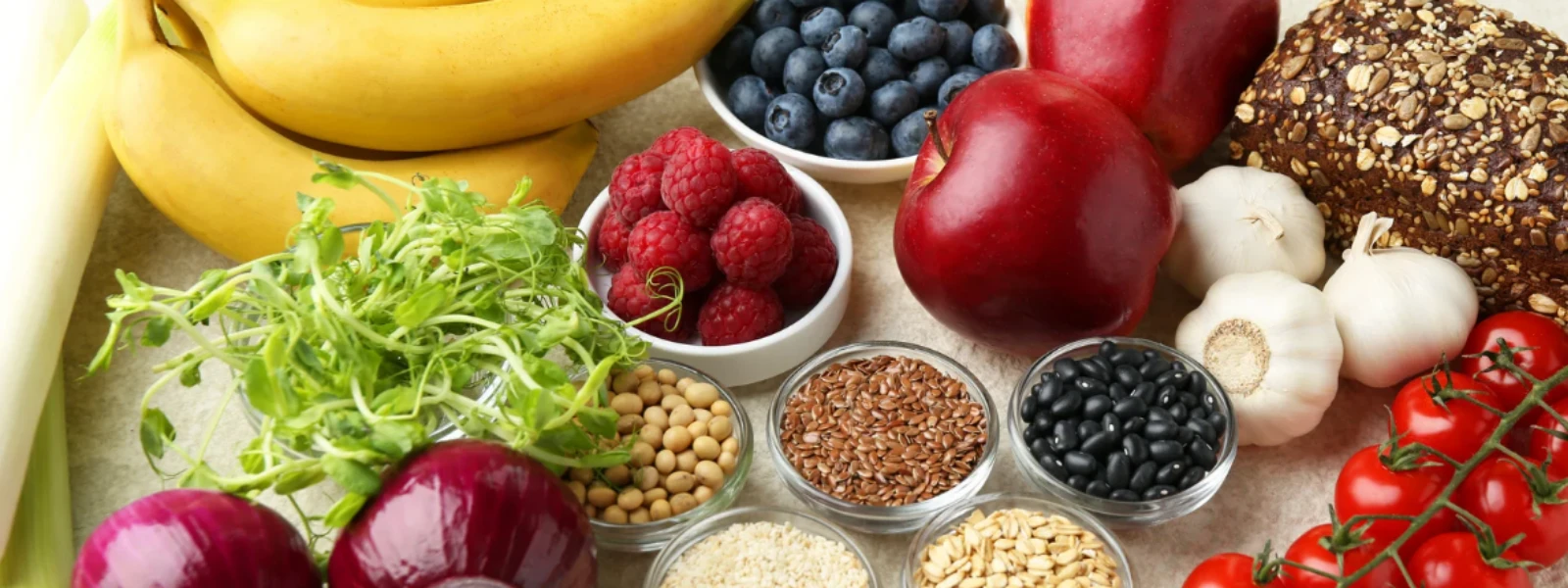
Incorporating specific prebiotic-rich foods into your daily routine provides the foundation for craving control. These foods contain different types of prebiotic fibers that feed various beneficial bacteria strains.
Jerusalem artichokes contain the highest concentration of inulin, providing up to 16 grams per cup. This powerful prebiotic specifically feeds Bifidobacterium, which produces compounds that enhance satiety and reduce sugar cravings.
Garlic and onions offer fructo oligosaccharides that support multiple beneficial bacteria strains. Even small amounts – just one clove of garlic or quarter of an onion daily – can provide meaningful prebiotic benefits.
Green bananas and plantains contain resistant starch, which acts as a prebiotic and helps stabilize blood sugar levels. As these fruits ripen, their resistant starch content decreases, so choose slightly underripe options for maximum benefit.
Asparagus and leeks provide both inulin and oligofructose, offering comprehensive prebiotic support. These vegetables are particularly effective when consumed raw or lightly cooked to preserve their prebiotic content.
Timing matters when using prebiotic foods to reduce sugar cravings. Consuming prebiotic-rich foods earlier in the day allows beneficial bacteria time to produce satiety-promoting compounds before typical craving periods. Including a prebiotic source with each meal helps maintain steady blood sugar and reduces between-meal cravings.
Successfully using prebiotics to control sugar cravings requires a systematic approach that allows your gut microbiome to adapt gradually. Start with small amounts of prebiotic foods to prevent digestive discomfort while your beneficial bacteria populations grow.
During the first two weeks, introduce one new prebiotic food every few days. Begin with easily digestible options like cooked asparagus or small amounts of garlic in meals. This gradual approach prevents the bloating or gas that can occur when dramatically increasing fiber intake.
Weeks three and four focus on reaching optimal prebiotic intake levels. Aim for 15-25 grams of prebiotic fiber daily from whole food sources. This amount provides sufficient fuel for beneficial bacteria without overwhelming your digestive system.
Proper hydration supports prebiotic function by helping fiber move through your digestive system efficiently. Drink water throughout the day, particularly when increasing prebiotic intake.
Quality sleep enhances gut-brain communication, making prebiotic interventions more effective. Poor sleep disrupts hormone production and can counteract the appetite-regulating benefits of prebiotics.
Regular physical activity promotes gut bacteria diversity and enhances the metabolism of prebiotic fibers. Even moderate exercise like daily walking can significantly improve prebiotic effectiveness.
While craving reduction is a primary benefit, prebiotics support weight management through multiple mechanisms. Research shows that people with diverse gut microbiomes tend to maintain healthier body weights and have less difficulty losing excess pounds.
Prebiotics influence metabolic rate by supporting bacteria that produce compounds enhancing fat oxidation. Studies indicate that individuals with higher levels of beneficial bacteria burn more calories at rest and during physical activity.
The anti-inflammatory effects of prebiotics also support weight management. Chronic inflammation can interfere with leptin signaling, making it harder for your brain to recognize when you're full. By reducing inflammation, prebiotics help restore proper appetite regulation.
Unlike restrictive diets that often lead to metabolic slowdown, prebiotic approaches support sustainable weight management by improving overall metabolic health. The enhanced insulin sensitivity from prebiotic consumption helps your body efficiently use nutrients and maintain stable energy levels.
Most people notice initial changes in craving intensity within 2-3 weeks of consistent prebiotic intake. Significant improvements in overall appetite control typically become apparent after 4-6 weeks as beneficial bacteria populations establish and begin producing optimal levels of satiety-promoting compounds.
While prebiotic supplements can be effective, whole food sources provide additional nutrients, antioxidants, and fiber types that support comprehensive gut health. Foods also offer a more gradual release of prebiotic compounds, which many people find easier to tolerate than concentrated supplements.
Initial digestive adjustment including mild gas or bloating is common but typically resolves within 1-2 weeks as your gut bacteria adapt. Starting with smaller amounts and gradually increasing intake minimizes these temporary effects while allowing your microbiome to adjust comfortably.
Prebiotics can significantly help reduce even strong sugar cravings, but severe cases may benefit from a comprehensive approach that includes stress management, adequate sleep, and possibly professional guidance to address underlying factors contributing to intense cravings.
Key indicators include reduced frequency and intensity of sugar cravings, more stable energy levels throughout the day, improved mood, and better appetite control between meals. Many people also notice improved digestion and more regular bowel movements as beneficial bacteria populations increase.
Prebiotics offer a science-backed, natural approach to reducing sugar cravings by addressing their root cause in the gut microbiome. By feeding beneficial bacteria that produce appetite-regulating compounds, prebiotics help restore the biological balance needed for healthy appetite control. The key lies in consistent intake of diverse prebiotic foods, allowing time for your gut bacteria to rebalance, and supporting this process with proper hydration, sleep, and stress management. This comprehensive approach not only reduces sugar cravings but also supports overall metabolic health and sustainable weight management. Consider exploring how targeted nutrition can support your wellness goals through scientifically-formulated supplements that complement a prebiotic-rich diet.




Someone sent you
Powered by ReferRush


