How to Meet High Protein Needs on a Vegan Diet
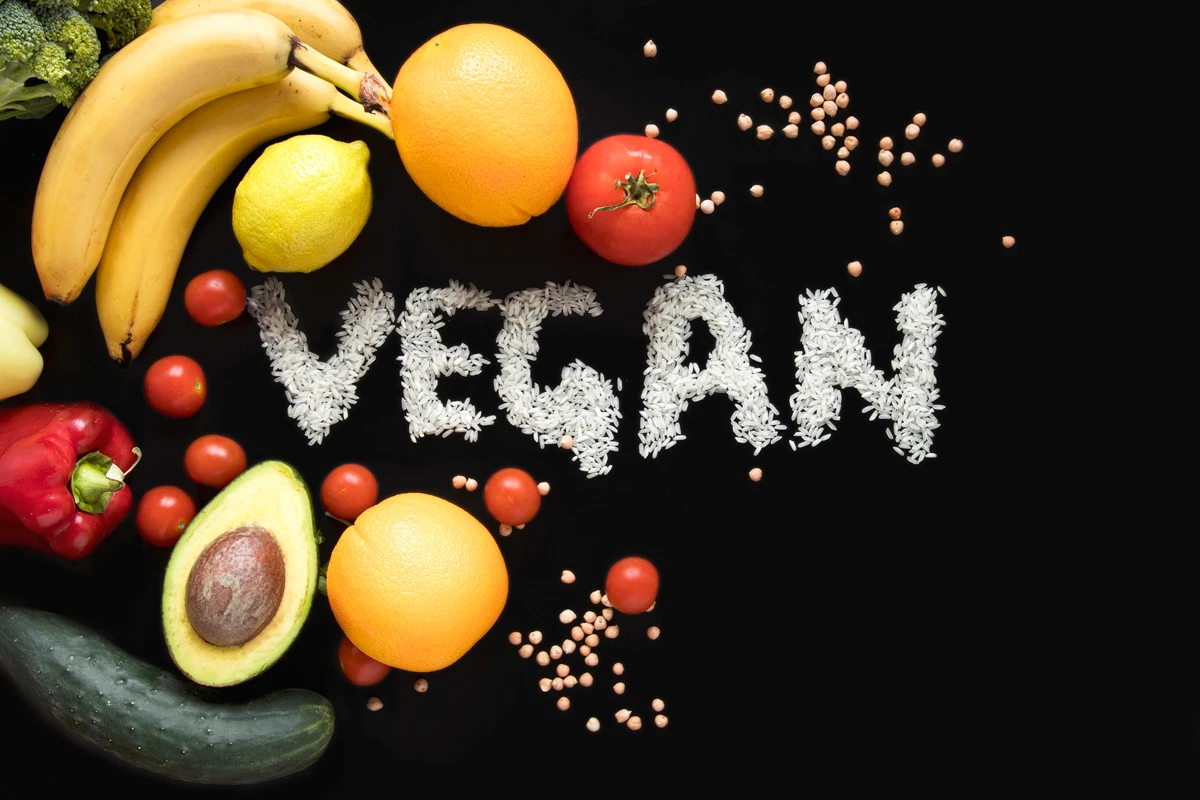


Think vegans can't get enough protein? Think again. This common myth has been busted time and again by nutrition science. While shifting to a plant-based lifestyle brings incredible health benefits, many people worry about meeting their protein needs without animal products. The truth is, with the right knowledge and approach, you can easily achieve high protein intake on a vegan diet. This guide will show you exactly how to meet your protein requirements while thriving on plant-based foods, debunking myths along the way.
Your body needs protein every day to build and repair tissues, make enzymes, and support immune function. The general recommendation is 0.8 grams of protein per kilogram of body weight for sedentary adults. For a 70-kilogram person, this equals about 56 grams daily. However, active individuals may need 1.2 to 2.0 grams per kilogram, depending on their training intensity.
Several factors influence how much protein you need. Age plays a role, as older adults require slightly more protein to maintain muscle mass. Your activity level is crucial too. Athletes and fitness enthusiasts need more protein than desk workers. Body composition goals also matter. Those building muscle mass require higher protein intake than those maintaining their current physique.
Complete proteins contain all nine essential amino acids your body cannot make on its own. While many animal proteins are naturally complete, plant proteins often need strategic combining. Understanding this concept helps you create meals that provide all essential amino acids for optimal health and muscle function.
Legumes are protein powerhouses in the plant kingdom. Lentils pack about 18 grams of protein per cooked cup, while black beans provide around 15 grams. Chickpeas, kidney beans, and split peas are equally impressive. These versatile ingredients work in soups, salads, curries, and even protein-rich desserts.
Don't underestimate these small but mighty protein sources. Hemp seeds contain about 10 grams of protein per 3 tablespoons, while pumpkin seeds offer 9 grams per ounce. Almonds, cashews, and peanuts provide substantial protein along with healthy fats. Nut butters make excellent additions to smoothies and snacks.
Whole grains contribute more protein than many realize. Quinoa leads the pack with 8 grams per cooked cup and is a complete protein. Oats provide 6 grams per cup, while brown rice offers 5 grams. Ancient grains like amaranth and buckwheat are also excellent high protein options for vegans.
Soy products are among the best plant-based protein sources. Tofu contains 20 grams per cup, while tempeh provides an impressive 31 grams. Edamame offers 17 grams per cup, making it perfect for snacking. These versatile ingredients absorb flavors well and work in countless recipes.
While vegetables aren't protein giants, some contribute significantly to your daily intake. Spinach provides 5 grams per cooked cup, while broccoli offers 4 grams. Asparagus, Brussels sprouts, and artichokes also contribute valuable protein along with essential micronutrients.
Protein complementation involves combining different plant protein sources to create complete amino acid profiles. You don't need to combine proteins at every meal, but eating various protein sources throughout the day ensures you get all essential amino acids. This approach maximizes the nutritional value of your vegan protein intake.
Classic combinations work beautifully for complete protein profiles. Rice and beans create a perfect amino acid balance, providing about 20 grams of protein per serving. Hummus with whole grain pita offers another excellent combination. Quinoa salad with nuts and seeds provides complete protein in a single dish, making meal planning simple and nutritious.
Did You Know? Plant Proteins Can Be Complete Too!
Contrary to popular belief, some plant-based foods like quinoa, buckwheat, and soy are complete proteins, containing all nine essential amino acids our bodies need.
Planning ahead ensures consistent protein intake throughout your day. Start by calculating your daily protein needs, then distribute this across meals and snacks. Batch cooking legumes and grains saves time during busy weeks. Keep protein-rich snacks like nuts, seeds, and plant protein powder on hand for quick nutrition boosts.
Plant protein powder supplements offer convenient ways to boost your daily intake. Pea protein powder provides all essential amino acids with excellent digestibility. Rice protein powder offers hypoallergenic benefits for sensitive stomachs. Hemp protein powder contains omega fatty acids alongside protein. Multi-source blends combine different plant proteins for optimal amino acid profiles.
Look for protein powder for vegans that offers superior ingredients, highly absorbable formats, palatable flavors to enhance your daily nutrition routine. Consider your dietary restrictions and preferences when selecting products. Check ingredient lists for artificial additives you want to avoid. Taste matters too, so choose flavors you'll actually enjoy consuming regularly.
Protein powder extends far beyond basic smoothies. Blend it into pancake batter for protein-packed breakfasts. Stir it into oatmeal or yogurt alternatives for extra nutrition. Use it in baking recipes to create high-protein snacks and desserts. Mix it into energy balls with dates and nuts for convenient on-the-go nutrition.
Successful high protein vegan meals balance all macronutrients effectively. Include plant protein sources as your foundation, add complex carbohydrates for energy, and incorporate healthy fats for satiety. This approach ensures sustained energy levels while meeting your increased protein requirements throughout the day.
Meal prep simplifies maintaining high protein intake on busy schedules. Cook large batches of legumes and grains on weekends. Pre-portion nuts and seeds into grab-and-go containers. Prepare protein-rich sauces and dressings in advance. Having these components ready makes assembling nutritious meals quick and effortless during hectic weekdays.
Smart snacking helps bridge protein gaps between meals. Trail mix with nuts and seeds provides portable nutrition. Roasted chickpeas offer crunchy, satisfying protein. Nut butter on whole grain crackers delivers sustained energy. Protein smoothies make excellent post-workout recovery snacks that taste great and fuel your body.
Athletes can absolutely thrive on plant-based diets with proper planning. Focus on timing your plant protein intake around workouts for optimal recovery. Combine different protein sources to ensure complete amino acid profiles. Many successful athletes follow vegan diets while maintaining peak performance levels, proving that plant protein supports athletic excellence.
Pregnant and breastfeeding individuals have increased protein needs that plant-based diets can meet effectively. Focus on nutrient-dense complete protein for vegans like quinoa, soy products, and properly combined legumes and grains. However, these are special life stages requiring personalized nutrition guidance, so consult healthcare providers for individualized meal planning advice.
Some people experience digestive challenges when increasing plant protein intake. Start gradually to allow your digestive system to adapt to higher fiber content. Drink plenty of water to support digestion. Soak legumes before cooking to improve digestibility. Choose well-tolerated protein sources and avoid those that cause discomfort until your system adjusts.
Yes, it's possible to meet protein needs on a vegan diet without supplements by consuming a variety of plant-based protein sources and ensuring adequate calorie intake. However, supplements can be beneficial for those with higher protein requirements or difficulty meeting needs through whole foods alone.
Plant proteins can be just as effective as animal proteins for muscle building when consumed in adequate amounts and combined to provide all essential amino acids. Some studies suggest that plant protein may have additional health benefits due to their fiber and antioxidant content.
You can increase the protein content of your vegan meals by incorporating more legumes, nuts, seeds, and whole grains into your diet. Adding plant protein powder to smoothies, oatmeal, or baked goods is another effective strategy.
Signs of protein deficiency may include fatigue, muscle weakness, hair loss, and slow wound healing. However, true protein deficiency is rare in well-planned vegan diets. If you're concerned about your protein intake, consult a registered dietitian or healthcare provider.
Meeting high protein needs on a vegan diet is not only possible but can be achieved through a variety of delicious and nutritious plant-based foods. By understanding your protein requirements, incorporating diverse plant protein sources, and utilizing strategies like meal planning and smart supplementation when necessary, you can thrive on a high-protein vegan diet. Remember that a well-balanced vegan diet can provide all the essential nutrients your body needs while supporting your health and fitness goals. Explore the world of plant-based nutrition and discover how satisfying and beneficial a protein-rich vegan lifestyle can be for your overall wellness journey.




Someone sent you
Powered by ReferRush


