Step-by-Step Guide to Stomach Burning Relief
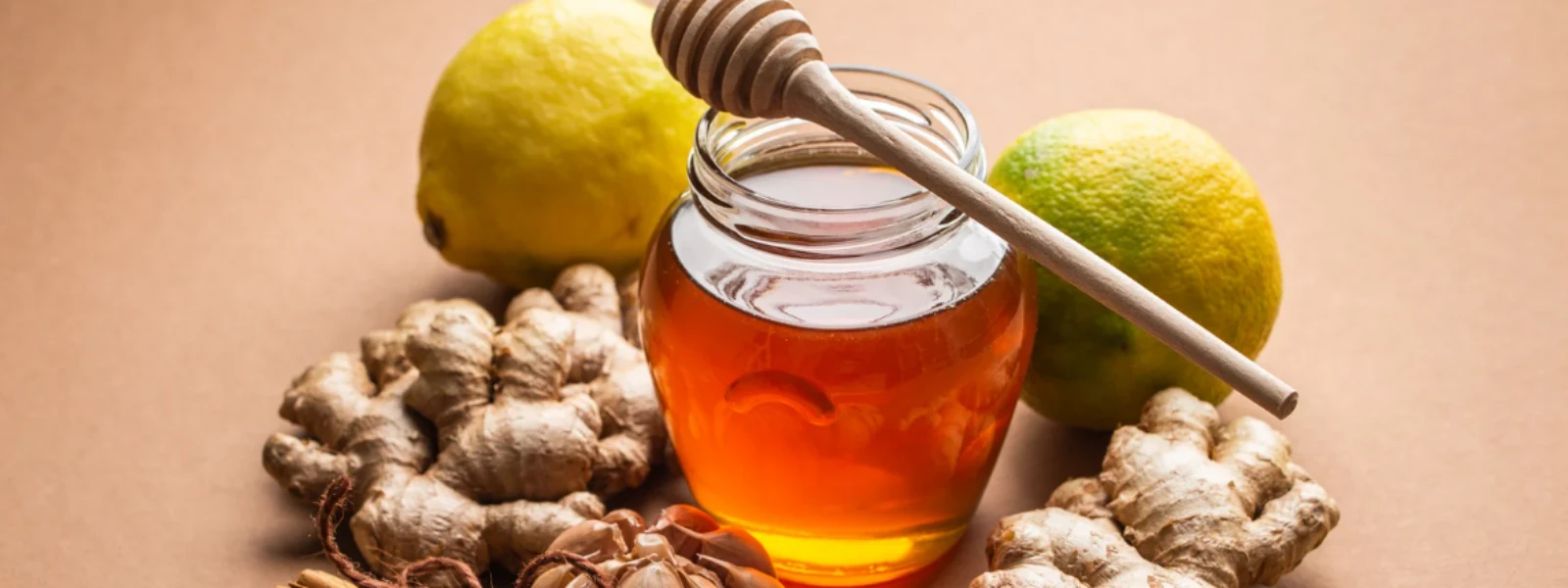


That uncomfortable burning sensation in your stomach can turn a good day into a miserable one. Whether it strikes after a spicy meal or wakes you up at night, stomach burning affects millions of people worldwide. This comprehensive guide will walk you through proven stomach burning remedies, from immediate relief techniques to long-term management strategies that can help you reclaim your digestive comfort.
Understanding the root causes of your symptoms is the first step toward effective treatment. You'll learn how to distinguish between simple heartburn relief needs and more serious conditions, discover natural antacids that work quickly, and build a sustainable approach to prevent future episodes.
Stomach burning typically results from excess stomach acid coming into contact with sensitive tissues. Acid reflux occurs when stomach acid flows backward into the esophagus, creating that familiar burning sensation. Gastritis, or inflammation of the stomach lining, can cause similar discomfort along with bloating and nausea.
Peptic ulcers represent another common cause. These open sores in the stomach or small intestine often result from bacterial infections or long-term use of certain medications. The burning pain from ulcers typically worsens on an empty stomach and may improve temporarily after eating.
Heartburn relief needs differ from other digestive issues. True heartburn creates a burning sensation that rises from the stomach toward the throat, often accompanied by a sour taste in the mouth. This usually occurs after eating and may worsen when lying down.
Indigestion remedies target different symptoms. Indigestion typically involves upper abdominal discomfort, bloating, and feeling overly full after eating. Unlike heartburn, indigestion rarely involves the characteristic burning sensation that travels upward.
Certain symptoms indicate serious conditions that need prompt medical care. Severe chest pain, especially when accompanied by shortness of breath or arm pain, requires emergency attention. Persistent vomiting, particularly if it contains blood or looks like coffee grounds, signals a medical emergency.
Difficulty swallowing, unintended weight loss, or stomach burning that doesn't respond to standard remedies within two weeks warrants professional evaluation. These symptoms may indicate complications that require specialized treatment.
GERD solutions focus on long-term management of chronic acid reflux. Unlike occasional heartburn that responds well to antacids, GERD requires comprehensive lifestyle changes and often prescription medications. The condition involves frequent acid reflux episodes that can damage the esophagus over time.
Temporary indigestion remedies work well for isolated incidents but won't address the underlying issues that cause chronic symptoms. Understanding this distinction helps you choose the most appropriate treatment approach.
Cold milk provides quick relief for many people experiencing stomach burning. The calcium in milk acts as a natural antacid, neutralizing excess stomach acid. The cool temperature also helps soothe irritated tissues in the esophagus and stomach.
However, full-fat dairy products may worsen symptoms for some individuals. If you're lactose intolerant or find that milk increases your discomfort, try small amounts of low-fat yogurt instead. The probiotics in yogurt may provide additional digestive benefits.
Baking soda creates an effective emergency remedy when mixed properly. Dissolve half a teaspoon of baking soda in four ounces of water and drink slowly. This alkaline solution neutralizes stomach acid quickly, often providing relief within minutes.
Bananas contain natural compounds that help protect the stomach lining from acid damage. Their soft texture and alkaline properties make them ideal for immediate relief. Eat a ripe banana slowly, allowing it to coat your esophagus as you swallow.
Other alkaline foods that reduce stomach acid include melons, fennel, and almonds. These foods help neutralize excess acid while providing essential nutrients that support digestive health.
Did You Know?
Chewing gum for 30 minutes after meals can increase saliva production by up to 140%. This extra saliva helps neutralize stomach acid and clear acid from the esophagus, providing natural relief from burning sensations.
Nighttime burning sensation in stomach often worsens when lying flat. Elevate your head and shoulders using extra pillows or a wedge pillow to keep stomach acid from flowing upward. Aim for at least a 6-inch elevation.
Sip small amounts of room-temperature water to help wash acid back down to your stomach. Avoid large quantities of liquid, which can increase stomach pressure and worsen reflux symptoms.
Chamomile tea offers gentle anti-inflammatory properties that can soothe irritated digestive tissues. Brew a weak cup and let it cool to room temperature before drinking. The natural compounds in chamomile may help reduce inflammation and promote healing.
Coconut water provides electrolytes and has a naturally alkaline pH that helps neutralize stomach acid. Choose pure coconut water without added sugars or artificial ingredients for the best results.
Aloe vera juice, when specifically prepared for internal consumption, may help heal damaged esophageal tissue. Look for products labeled as food-grade and start with small amounts to test your tolerance.
Oatmeal creates a protective coating in your stomach while absorbing excess acid. Choose plain oats and avoid adding citrus fruits or high-fat toppings that might trigger symptoms. The fiber in oatmeal also supports healthy digestion.
Lean proteins like chicken breast, fish, and egg whites require less stomach acid for digestion compared to fatty meats. These foods provide essential nutrients without overwhelming your digestive system.
Leafy greens such as spinach and kale contain natural alkalizing compounds. Steam or lightly sauté these vegetables to make them easier to digest while preserving their beneficial properties.
Combining alkaline foods with small amounts of healthy fats can enhance their effectiveness. Try adding a small amount of olive oil to steamed vegetables or eating a few almonds with your banana.
Timing your food intake strategically also matters. Eat smaller, more frequent meals rather than large portions that can increase stomach pressure and acid production.
Eating large meals puts extra pressure on your stomach and increases acid production. Divide your daily food intake into five or six smaller meals spaced throughout the day. This approach keeps your stomach from becoming overly full while maintaining steady energy levels.
Stop eating at least three hours before bedtime. This timing allows your stomach to empty before you lie down, reducing the likelihood of acid reflux during sleep. If you must eat late, choose very light options like a small piece of fruit or a few crackers.
Your sleeping position significantly affects nighttime acid reflux. Sleep on your left side when possible, as this position may help keep stomach acid from flowing into the esophagus. The anatomy of your stomach makes left-side sleeping more beneficial than right-side sleeping.
Invest in a wedge pillow or adjustable bed frame to maintain proper elevation throughout the night. Stacking regular pillows often leads to neck strain and may not provide consistent elevation.
Chronic stress increases stomach acid production and can worsen existing digestive issues. Practice deep breathing exercises, especially before meals, to activate your body's relaxation response. This helps optimize digestion and reduces acid production.
Regular physical activity helps manage stress while supporting healthy digestion. Choose low-impact exercises like walking or swimming, and avoid vigorous exercise immediately after eating.
Proper hydration supports healthy digestion, but timing matters. Drink most of your water between meals rather than during eating. Large amounts of liquid during meals can dilute digestive enzymes and increase stomach volume.
Room temperature or slightly warm water works better than ice-cold beverages, which can shock your digestive system. Add a small amount of fresh ginger to warm water for additional anti-inflammatory benefits.
Keep a detailed food diary for at least two weeks to identify your specific trigger foods. Record what you eat, when you eat it, and any symptoms that occur within four hours. Common triggers include spicy foods, citrus fruits, tomatoes, chocolate, and caffeine.
Eliminate suspected trigger foods one at a time for at least one week each. This systematic approach helps you identify which foods specifically cause your symptoms without unnecessarily restricting your diet.
Focus on whole, unprocessed foods that support natural digestive function. Fresh fruits (except citrus), vegetables, lean proteins, and whole grains form the foundation of an acid reflux-friendly diet. These foods provide essential nutrients while minimizing digestive stress.
Prepare meals using gentle cooking methods like steaming, baking, or grilling instead of frying. These techniques preserve nutrients while reducing the fat content that can trigger acid reflux symptoms.
Regular moderate exercise supports healthy digestion and helps maintain a healthy weight. Excess weight, particularly around the midsection, can increase pressure on your stomach and worsen acid reflux symptoms.
Take short walks after meals to encourage healthy digestion. This gentle movement helps food move through your digestive system more efficiently without putting additional stress on your stomach.
Track your symptoms weekly to identify patterns and measure improvement. Note the frequency and severity of burning sensations, along with any lifestyle factors that seem to influence your symptoms.
Be patient with the process. Digestive healing takes time, and you may not see significant improvement for several weeks. Consistency with your chosen remedies and lifestyle changes is more important than perfect adherence.
Natural antacids like baking soda or cold milk typically provide relief within 5-15 minutes. Dietary changes and lifestyle modifications may take several weeks to show significant improvement. If symptoms persist despite consistent treatment, consult a healthcare provider.
Yes, combining approaches often works better than relying on a single remedy. You can use immediate relief techniques like alkaline foods while implementing long-term strategies like dietary changes. However, avoid mixing different antacid medications without medical guidance.
Common trigger foods include citrus fruits, tomatoes, spicy foods, chocolate, caffeine, alcohol, and high-fat meals. However, triggers vary between individuals, so maintaining a food diary helps identify your specific problem foods.
Seek medical attention if symptoms occur more than twice weekly, don't respond to over-the-counter treatments, or are accompanied by difficulty swallowing, persistent nausea, or unintended weight loss. Severe chest pain requires immediate emergency care.
Managing stomach burning effectively requires a combination of immediate relief strategies and long-term lifestyle changes. From natural antacids like cold milk and baking soda to dietary modifications that reduce stomach acid production, you now have a comprehensive toolkit for addressing digestive discomfort. Remember that consistency with your chosen approach matters more than perfection, and healing takes time. While these stomach burning remedies can provide significant relief for many people, persistent or severe symptoms warrant professional medical evaluation to rule out underlying conditions that may require specialized treatment.




Someone sent you
Powered by ReferRush


