Unlock Retinol: Your Complete Food Source Guide
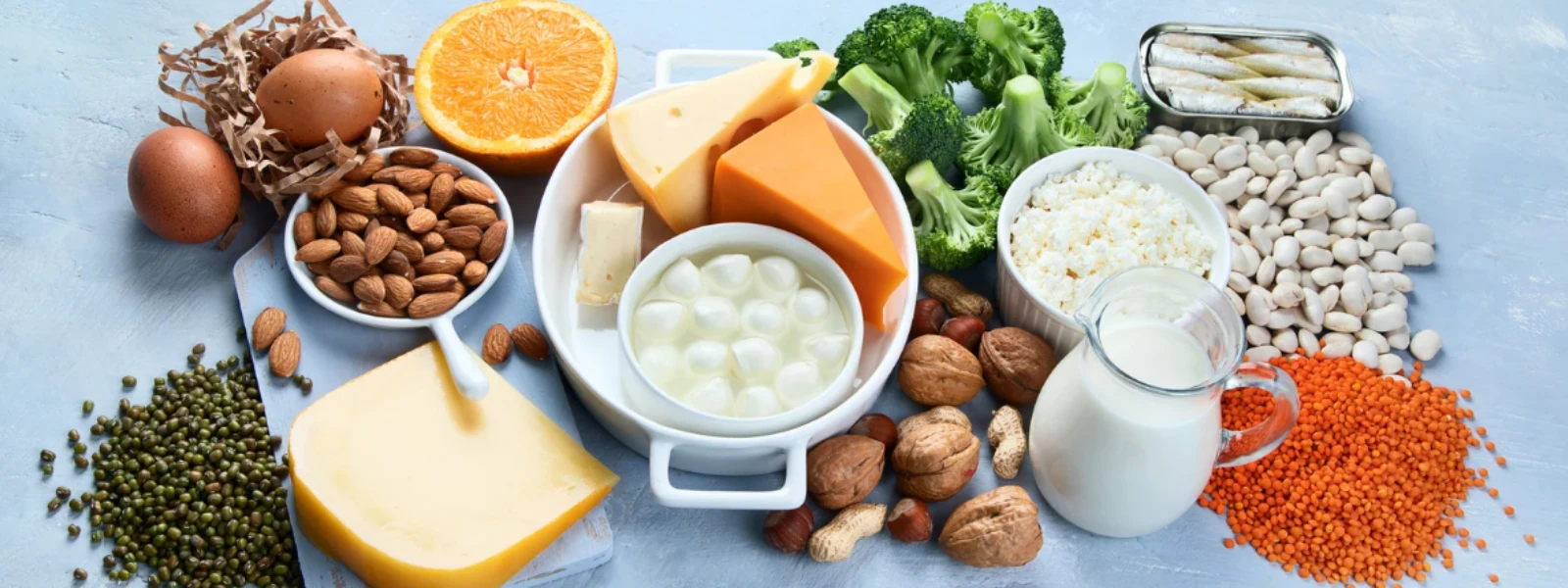


Your skin glows, your vision stays sharp, and your immune system works like a well-oiled machine. What if the secret to achieving all this isn't hidden in expensive supplements, but sitting right in your kitchen? The truth is, retinol food sources can provide your body with this essential nutrient in ways that might surprise you.
Retinol belongs to the vitamin A family, but it's important to understand the distinction. Retinol is the active, ready-to-use form of vitamin A found primarily in animal products. Beta-carotene, on the other hand, is a precursor found in plants that your body converts to vitamin A. This difference matters because your body absorbs and uses retinol more efficiently than beta-carotene.
Understanding how to get retinol from food sources supports not just your skin and vision, but also plays a crucial role in retinol and metabolism. This guide will walk you through the science behind retinol absorption, reveal the best food sources, and show you how to maximize the benefits through smart food choices.
When you consume retinol rich foods, your body doesn't treat all sources equally. Preformed vitamin A (retinol) from animal products gets absorbed directly into your bloodstream through the small intestine. Your liver then stores it for future use, releasing it as needed.
Beta-carotene from plant sources requires an extra step. Your body must convert it to retinol, and this conversion isn't always efficient. Factors like genetics, overall health, and even the presence of certain fats can influence how well this conversion happens.
The connection between retinol and metabolism runs deeper than many realize. Retinol helps regulate genes involved in glucose metabolism and insulin sensitivity. It also supports thyroid function, which directly impacts your metabolic rate. When you choose the right retinol food sources, you're supporting these metabolic processes naturally.
Timing matters too. Since retinol is fat-soluble, consuming it with healthy fats significantly improves absorption. This means pairing your vitamin A foods with sources like olive oil, nuts, or avocado can boost the benefits.
Animal products contain the most concentrated and bioavailable forms of retinol. Liver tops the list as the ultimate retinol rich food. Just one ounce of beef liver provides over 8,000 international units (IU) of vitamin A, which exceeds the daily recommended value for most adults.
Chicken liver offers a milder taste while still packing impressive retinol content. Fish liver, particularly from cod, provides not only retinol but also beneficial omega-3 fatty acids that support overall health.
Fatty fish deserve special attention among foods high in vitamin A. Salmon, mackerel, and sardines provide moderate amounts of retinol along with protein and healthy fats. These fish also support the absorption of the retinol they contain, making them efficient choices.
Dairy products offer accessible retinol food sources for daily consumption. Whole milk, cheese, and butter contain retinol, with full-fat versions providing higher amounts than their low-fat counterparts. The fat content in these products also aids in retinol absorption.
Egg yolks represent another excellent source. Two large egg yolks provide about 10% of your daily vitamin A needs. The lecithin in egg yolks may also enhance the absorption of fat-soluble vitamins like retinol.
While plants don't contain preformed retinol, they offer beta-carotene that your body can convert to vitamin A. Orange and yellow vegetables lead this category, with carrots being perhaps the most famous example.
Sweet potatoes deserve recognition as one of the top foods containing retinol precursors. One medium baked sweet potato provides over 400% of the daily vitamin A requirement in the form of beta-carotene. The natural sugars in sweet potatoes may also help with beta-carotene absorption.
Dark leafy greens like spinach and kale pack surprising amounts of beta-carotene despite their green color. The chlorophyll masks the orange pigments, but these vegetables rank among the best retinol foods for plant-based eaters.
Fruits contribute to your vitamin A intake too. Cantaloupe, mango, and dried apricots provide beta-carotene along with other beneficial compounds. These fruits work well as snacks or additions to meals that include healthy fats.
Did You Know?
Your body converts beta-carotene to retinol more efficiently when you consume it with fat. Adding just a teaspoon of olive oil to your carrot salad can increase beta-carotene absorption by up to 300%.
Food fortification has made retinol food sources more accessible, especially for those following plant-based diets. Many breakfast cereals contain added vitamin A, making them convenient options for busy mornings.
Fortified plant-based milk alternatives like soy, almond, and oat milk often contain added vitamin A to match the nutritional profile of dairy milk. These products can help bridge the gap for those avoiding animal products.
Some fruit juices receive vitamin A fortification, though whole fruits generally provide better overall nutrition. When choosing fortified products, check labels to understand exactly what form of vitamin A they contain.
Reading nutrition labels becomes crucial when relying on fortified foods. Look for terms like "vitamin A palmitate" or "retinyl acetate," which indicate added retinol forms that your body can use directly.
Maximizing retinol food benefits requires strategic meal planning. Since retinol is fat-soluble, pairing vitamin A-rich foods with healthy fats dramatically improves absorption.
Cooking methods can either preserve or enhance retinol content. Light cooking often breaks down cell walls in vegetables, making beta-carotene more available for conversion. However, excessive heat and light can degrade retinol in animal products.
Combining different vitamin A foods in single meals creates synergistic effects. A salad with spinach, carrots, and a hard-boiled egg provides both preformed retinol and beta-carotene, along with the fats needed for absorption.
Meal timing can influence how well your body uses dietary retinol. Spreading vitamin A intake throughout the day, rather than consuming large amounts at once, may optimize utilization and reduce the risk of excess intake.
Adult men need about 900 micrograms of retinol activity equivalents (RAE) daily, while adult women need 700 micrograms. These amounts are easily achievable through thoughtful food choices.
A sample day might include scrambled eggs for breakfast, a spinach salad with salmon for lunch, and roasted sweet potatoes with dinner. This combination provides multiple retinol food sources while ensuring adequate fat for absorption.
Budget-conscious shoppers can focus on affordable options like eggs, canned salmon, frozen spinach, and seasonal orange vegetables. These foods high in vitamin A offer excellent value while meeting nutritional needs.
Seasonal eating can help maintain variety in your retinol rich foods intake. Summer brings fresh apricots and cantaloupe, while winter offers hearty squashes and root vegetables rich in beta-carotene.
Beef liver contains the highest concentration of retinol, with just one ounce providing over 8,000 IU of vitamin A. Other liver varieties like chicken and fish liver also rank extremely high, making them the most concentrated natural retinol sources available.
Yes, most people can meet their vitamin A needs through food sources alone. A balanced diet including both animal products and colorful fruits and vegetables typically provides adequate retinol and beta-carotene. However, individuals with specific dietary restrictions may need to plan more carefully or consider fortified foods.
Consuming excessive amounts of preformed retinol from animal sources can lead to vitamin A toxicity, though this is rare from food alone. Liver consumption should be limited to once or twice per week. Beta-carotene from plant sources is generally safe, as your body regulates its conversion to retinol.
Vitamin A works synergistically with other nutrients to support metabolism. While it regulates genes involved in glucose metabolism, it works best alongside B vitamins, vitamin D, and minerals like magnesium for optimal metabolic function.
Vegetarians should focus on beta-carotene rich foods like sweet potatoes, carrots, spinach, and fortified plant-based products. Combining these with healthy fats and eating them regularly helps ensure adequate vitamin A conversion. Fortified cereals and plant-based milk alternatives can also help meet daily needs.
Understanding retinol food sources empowers you to make informed choices about your nutrition. From the concentrated power of liver to the colorful array of beta-carotene rich vegetables, nature provides abundant options for meeting your vitamin A needs. The key lies in combining these foods strategically, timing your intake appropriately, and ensuring adequate fat consumption for optimal absorption. Whether you prefer animal-based sources or plant-based alternatives, incorporating a variety of retinol-rich foods into your daily routine supports not just your skin and vision, but your overall metabolic health as well.




Someone sent you
Powered by ReferRush


