What is Creatine HCL and How Does It Benefit Your Body?
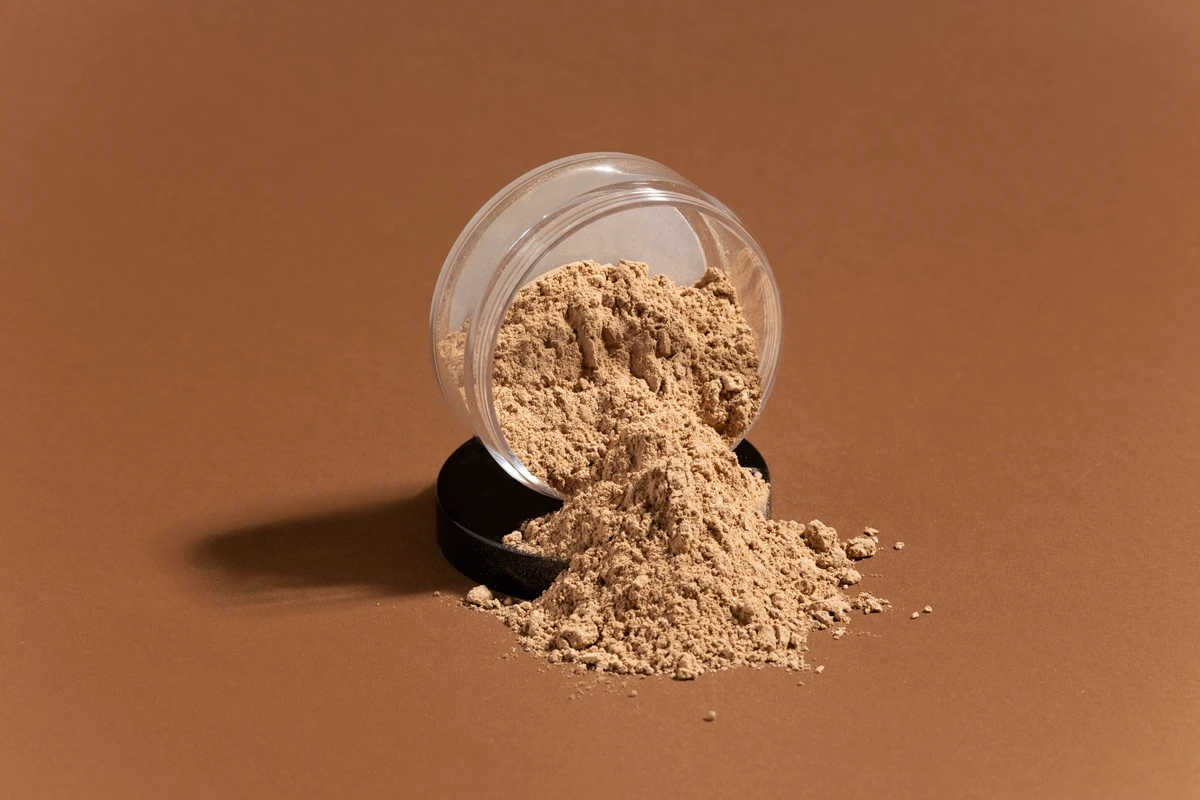


If you've been exploring fitness supplements, you've likely encountered creatine. But there's a specific form gaining attention among athletes and fitness enthusiasts: creatine HCL. This advanced form of creatine offers unique benefits that could transform your workout routine. Understanding what creatine hydrochloride is and how it works can help you make informed decisions about your fitness journey.
Creatine hcl, or creatine hydrochloride, is creatine bound with hydrochloric acid. This chemical bonding creates a more soluble and stable form of creatine compared to traditional options. Your body naturally produces creatine in the liver, kidneys, and pancreas, using it to fuel high-intensity activities.
The hydrochloride binding significantly improves creatine's solubility in water. This means better dissolution in your stomach and potentially enhanced absorption. Research suggests that improved solubility leads to more efficient uptake by muscle cells, where creatine does its important work.
Traditional creatine forms often struggle with complete dissolution, leading to grainy textures and potential digestive discomfort. Creatine hcl powder dissolves completely in liquid, creating a smooth texture that's easier on your digestive system.
Creatine HCL benefits include improved phosphocreatine stores in your muscles. This translates to better performance during short bursts of high-intensity exercise. Whether you're lifting weights or sprinting, creatine HCL helps your muscles produce energy more efficiently.
Studies show that creatine supplementation can increase power output by 5-15% during repeated high-intensity efforts. This makes creatine HCL bodybuilding enthusiasts' preferred choice for pushing through challenging workout sessions.
Creatine HCL supports your body's ability to replenish energy stores quickly. This means shorter rest periods between exercises and more productive training sessions overall.
Did You Know?
Creatine HCL requires approximately 40 times less water to dissolve completely compared to creatine monohydrate, making it ideal for those who experience digestive issues with traditional forms.
Unlike some creatine forms that cause noticeable water retention, creatine HCL typically produces minimal bloating. This makes it attractive for athletes concerned about weight fluctuations or those sensitive to digestive discomfort.
Creatine HCL dosage requirements are typically lower than monohydrate forms. While monohydrate often requires 3-5 grams daily, creatine HCL may be effective at 1.5-3 grams daily due to improved absorption.
Creatine HCL side effects are generally minimal when used appropriately. The improved solubility often means fewer digestive issues compared to other forms. However, some people may still experience mild stomach discomfort if taken on an empty stomach.
Creatine HCL supplements typically cost more than monohydrate forms. However, the lower required dosage may offset this difference over time, making the cost per serving more comparable.
Start with 1.5-2 grams of creatine HCL daily, preferably around your workout time. Some people prefer splitting this into smaller doses with meals to optimize absorption and minimize any potential stomach sensitivity.
Creatine works well alongside protein supplements and can be combined with carbohydrates to potentially enhance uptake. However, avoid taking it with caffeine immediately before workouts, as some research suggests caffeine might interfere with creatine's benefits.
While creatine isn't directly a weight loss supplement, it supports lean muscle maintenance during calorie restriction. The enhanced workout performance can help preserve muscle mass while you're in a caloric deficit.
Emerging research suggests creatine HCL metabolism support extends beyond just muscle function. Some studies indicate potential benefits for brain health and cellular energy production throughout the body.
Creatine HCL has an excellent safety profile when used as directed. Most healthy individuals can use it without concerns. However, people with kidney conditions should consult healthcare providers before starting any creatine supplementation.
Stay well-hydrated when using creatine HCL, as it helps optimize the supplement's effectiveness and supports overall health during increased training intensity.
Creatine HCL is primarily used to enhance athletic performance, increase strength and power output, improve recovery between exercise sets, and support muscle growth during resistance training.
Both forms are effective, but creatine HCL offers better solubility, requires lower doses, and typically causes less digestive discomfort. Monohydrate has more research backing and is more cost-effective.
Yes, creatine HCL is safe for daily use in healthy individuals when taken at recommended doses. Long-term studies show no adverse effects from consistent creatine supplementation.
Most people notice improved performance within 1-2 weeks of consistent use. Unlike monohydrate, creatine HCL doesn't require a loading phase, so benefits may appear more gradually but consistently.
Creatine HCL doesn't directly cause weight loss but supports better workout performance and muscle preservation during calorie restriction, which can contribute to improved body composition over time.
Creatine HCL represents an advanced approach to creatine supplementation, offering enhanced solubility, reduced digestive issues, and effective results at lower doses. While it may cost more upfront, the improved tolerability and convenience make it an attractive option for serious fitness enthusiasts. Whether you're focused on strength training, athletic performance, or general fitness improvement, creatine HCL provides a scientifically-backed way to support your goals. Consider your individual needs, budget, and sensitivity when choosing between creatine forms, and remember that consistency in supplementation is key to experiencing the full benefits.




Someone sent you
Powered by ReferRush


