Whey Protein & Antibiotics: Can I Take It?
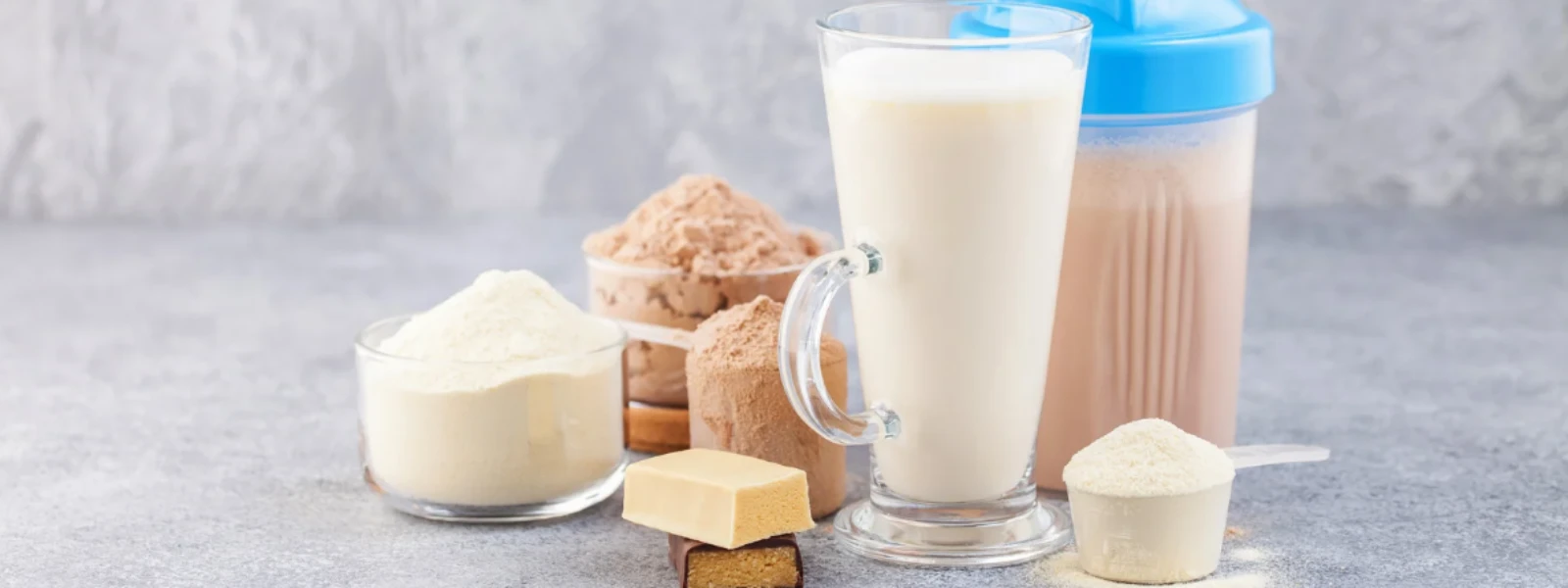


When illness strikes and antibiotics become necessary, many fitness enthusiasts and health-conscious individuals wonder about continuing their supplement routine. The question of whether can I take whey PrOtein concentrate while on antibiotics is more common than you might think. Understanding the relationship between whey PrOtein and antibiotics helps ensure you maintain proper nutrition while supporting your recovery process.
This comprehensive guide explores the science behind combining these two elements, providing evidence-based insights to help you make informed decisions about protein supplements during antibiotic treatment. By the end of this article, you'll understand the potential interactions, benefits, and best practices for maintaining your protein intake during medication.
Antibiotics work by targeting harmful bacteria in your system, but they can also impact your gut microbiome - the beneficial bacteria that play crucial roles in digestion and nutrient absorption. This disruption can affect how your body processes and absorbs nutrients, including proteins.
During antibiotic treatment, your digestive system may experience temporary changes. The medication can alter the bacterial balance in your intestines, potentially affecting whey protein metabolism. Research shows that certain antibiotics may reduce the activity of digestive enzymes, which could influence how efficiently your body breaks down and utilizes protein supplements.
Your intestinal lining relies on healthy bacteria to maintain optimal function. When antibiotics eliminate both harmful and beneficial bacteria, the impact of antibiotics on protein absorption can become noticeable. However, this doesn't necessarily mean you should avoid protein supplements entirely.
Studies indicate that while antibiotic use may temporarily reduce absorption efficiency, the body typically adapts within a few days. The key lies in understanding proper timing and dosage adjustments during treatment.
Did You Know?
Your gut microbiome contains over 100 trillion bacteria that help break down proteins into amino acids. While antibiotics temporarily disrupt this process, maintaining adequate protein intake remains crucial for immune function and recovery.
Despite potential absorption challenges, continuing protein supplementation during antibiotic treatment offers several important benefits for your recovery and overall health.
Protein plays a vital role in immune function, providing the building blocks for antibodies and immune cells. During illness, your body's protein requirements actually increase as it works to fight infection and repair damaged tissues. Whey protein benefits include providing complete amino acid profiles that support immune system function.
Illness and medication can trigger muscle protein breakdown, especially if you're less active than usual. Antibiotics and muscle building concerns arise because reduced activity combined with potential absorption issues may lead to muscle loss. Maintaining adequate protein intake helps preserve lean muscle mass during recovery.
Amino acids from protein sources are essential for tissue repair and wound healing. Whether you're recovering from an infection or surgical procedure requiring antibiotics, adequate protein intake supports faster recovery times and better outcomes.
While protein supplementation during antibiotic treatment is generally safe, certain precautions help optimize both medication effectiveness and nutrient absorption.
Whey protein concentrate interactions with antibiotics are generally minimal, but timing matters. Some research suggests that taking large amounts of protein simultaneously with certain antibiotics might slightly reduce medication absorption in the small intestine.
Antibiotics can cause digestive upset, including nausea, diarrhea, or stomach discomfort. Adding protein supplements to an already sensitive digestive system might exacerbate these symptoms in some individuals. Starting with smaller doses and monitoring your body's response helps prevent additional discomfort.
Following evidence-based guidelines ensures you maximize the benefits of both your medication and protein supplementation while minimizing potential interactions.
Space your antibiotic doses and protein supplements by at least two hours when possible. This timing allows your medication to be absorbed effectively while still providing your body with necessary amino acids throughout the day.
Consider taking protein powder while sick between meals rather than with large food portions, which can further slow absorption of both nutrients and medication.
During antibiotic treatment, you might benefit from slightly smaller, more frequent protein doses rather than one large serving. This approach reduces digestive burden while maintaining steady amino acid availability for your recovering body.
Whey protein concentrate remains an excellent choice during illness due to its high biological value and relatively easy digestibility. However, if you experience increased digestive sensitivity, consider whey protein isolate, which contains less lactose and may be gentler on your system.
While whey protein can be part of your nutrition plan during antibiotic treatment, diversifying your protein sources provides additional benefits for recovery and gut health.
The best protein source during illness often includes easily digestible whole foods. Lean poultry, fish, eggs, and Greek yogurt provide complete proteins along with other nutrients that support recovery. These foods may be gentler on your digestive system than supplements.
Incorporating fermented dairy products like kefir or Greek yogurt with live cultures can provide both protein and beneficial bacteria to help restore gut balance disrupted by antibiotics. These foods support both nutrition and digestive health recovery.
For those experiencing dairy sensitivity during antibiotic treatment, plant-based protein sources like quinoa, lentils, and hemp seeds offer alternatives that may be easier to digest while still providing essential amino acids.
Yes, antibiotics can temporarily reduce protein absorption by disrupting gut bacteria that aid in digestion. However, this effect is usually mild and short-term. Your body typically adapts within a few days, and maintaining protein intake remains important for recovery.
Spacing antibiotics and whey protein by at least 2 hours is recommended to prevent any potential absorption interference. This timing ensures optimal effectiveness of your medication while still providing your body with necessary amino acids.
Whey protein isolate may be preferable during illness as it contains less lactose and is often easier to digest than concentrate forms. Choose products with minimal additives and artificial ingredients to reduce digestive burden during recovery.
Whey protein can support recovery by providing amino acids necessary for tissue repair and immune function. However, it won't directly counteract antibiotic side effects. Focus on overall nutrition, hydration, and following your healthcare provider's guidance for managing side effects.
You may benefit from smaller, more frequent protein servings during antibiotic treatment rather than large single doses. This approach is gentler on your digestive system while maintaining steady amino acid availability for recovery and immune support.
Taking whey protein concentrate while on antibiotics is generally safe and can be beneficial for maintaining nutrition during recovery. The key lies in proper timing, appropriate dosing, and listening to your body's response. While antibiotics may temporarily affect protein absorption, continuing adequate protein intake supports immune function, muscle preservation, and healing processes. Remember to space your supplements and medication appropriately, start with smaller doses if you experience digestive sensitivity, and consider incorporating diverse protein sources for optimal nutrition. Always consult with your healthcare provider about your specific situation, especially if you have underlying health conditions or experience persistent digestive issues. By following evidence-based guidelines and maintaining open communication with your medical team, you can successfully support your recovery while continuing your nutritional goals.



