


Protein powders promise strength, satiety, and metabolic health, but for millions of people, one question stops them cold: can lactose intolerant eat whey protein?
If whey comes from milk, and lactose intolerance causes bloating, cramps, and digestive distress, isn’t whey protein automatically off-limits? Not quite. The truth lies in how whey is processed, how much lactose remains, and how your gut actually responds at a cellular level.
Let’s separate fear from physiology and help you decide whether whey protein can be consumed by lactose intolerant individuals safely or if it’s better avoided.
What Is Lactose Intolerance?
Lactose intolerance isn’t an allergy. It’s an enzyme deficiency.
Your small intestine normally produces lactase, the enzyme that breaks lactose, milk sugar, into glucose and galactose for absorption. When lactase levels are low, lactose passes undigested into the colon, where gut bacteria ferment it, producing gas, bloating, diarrhea, and discomfort (NIH).
This means intolerance is dose-dependent, not absolute. The less lactose you consume, the less reaction you’re likely to have. That detail changes everything when we talk about whey.
Is There Lactose in Whey Protein?
The short answer is yes, but not always in the same amount.
Whey protein is derived from milk or during cheese production. However, modern filtration techniques dramatically alter its lactose content. So if you’re asking is there lactose in whey protein, the real answer is, it depends on the type.
Let’s break it down scientifically.
1. Whey Protein Concentrate
Whey protein concentrate is the least processed form of whey, which means it retains more of milk’s natural components. It typically provides:
-
70–80% protein
-
Residual lactose
-
Small amounts of milk fats and bioactive compounds
Nutritionally, this makes it wholesome and close to its natural state. Digestively, however, it can be challenging for those with lactose intolerance.
At a cellular level, the leftover lactose may exceed the gut’s limited lactase capacity, allowing undigested lactose to reach the colon. There, it undergoes bacterial fermentation, leading to bloating, gas, and abdominal discomfort. For highly sensitive individuals, even a small serving can trigger symptoms (NIH).
For this reason, if you’re lactose intolerant, whey protein concentrate is generally not the most suitable or gut-friendly choice.
2. Whey Protein Isolate
Whey protein isolate is processed using advanced microfiltration or ion-exchange techniques that strip away most non-protein components. The outcome is a cleaner, more refined protein with clear digestive advantages:
-
90% or more pure protein
-
Minimal to near-zero lactose
-
Faster absorption and improved digestibility
This is why whey isolate is consistently supported by research for individuals with sensitive digestion. With lactose levels often below 1%, the residual amount is typically too low to reach the colon and trigger fermentation in lactose-intolerant individuals.
From a biochemical standpoint, whey isolate delivers amino acids, especially leucine, directly to the small intestine, where they are efficiently absorbed without lactose-related interference. This allows muscle protein synthesis to occur smoothly, without the bloating or discomfort commonly associated with dairy (NIH).
For most people asking whether lactose-intolerant individuals can eat whey protein, whey protein isolate stands out as the safest and most evidence-backed option.
What to Look for on Whey Protein Powder Labels
Not all whey protein powder is the same, even when the label says “isolate.” Processing quality, added ingredients, and formulation details can make a real difference to digestion.
Before choosing, always check for:
-
“Whey protein isolate” listed as the first ingredient.
-
Native whey protein, which is extracted directly from milk rather than as a cheese by-product and naturally contains lower lactose
-
Undenatured whey, meaning the protein structure remains intact for easier digestion and better amino acid bioavailability
-
Cold-processed whey, which avoids high heat that can damage proteins and increase digestive stress
-
Microfiltered whey, a gentle filtration method that effectively removes lactose while preserving protein quality
-
Lactose or milk sugar clearly stated or notably absent on the label
-
No added milk solids, creamers, gums, or fillers like maltodextrin that can worsen gut symptoms
These forms are generally better tolerated by lactose-intolerant individuals, as they minimize lactose exposure while preserving the functional integrity of whey protein.
How to Test Whey Protein If You’re Lactose Intolerant
If you’re unsure how sensitive your digestion is, take a gut-first, evidence-based approach:
-
Start with whey protein isolate only.
-
Use a half scoop initially to assess tolerance
-
Mix it with water, not milk, to minimize lactose exposure
-
Consume it post-workout or mid-day, when digestive capacity is strongest
-
Avoid combining it with heavy meals during your first trial
-
Observe your body’s response over the next 24 hours, noting any bloating or discomfort
Your personal tolerance is a more reliable guide than generalized advice.
Final Takeway
Yes, whey protein can be consumed by lactose intolerant individuals but with the right form.
Amongst all the whey proteins, whey protein concentrate is more likely to cause digestive discomfort due to its residual lactose content. In contrast, whey protein isolate, when properly processed and cleanly formulated, contains minimal lactose and is often well tolerated, even by sensitive digestive systems.
The goal isn’t to eliminate whey entirely, but to choose a form that supports digestion while still delivering highly bioavailable, high-quality protein.
FAQs
1. Can lactose intolerant people eat whey protein?
Yes, lactose-intolerant individuals can often consume whey protein, provided they choose the right type. Whey protein isolate contains minimal to near-zero lactose and is generally well tolerated, while whey protein concentrate is more likely to cause digestive issues.
2. Is there lactose in whey protein?
Yes, there is lactose in whey protein, but the amount varies by form. Whey protein concentrate contains residual lactose, whereas whey protein isolate undergoes filtration that removes most of the lactose.
3. Which whey protein is best for lactose intolerance?
Whey protein isolate is the best option for lactose intolerance. It provides over 90% pure protein with very low lactose content, making it easier to digest and less likely to cause bloating or discomfort.
4. How does whey protein concentrate affect lactose-intolerant individuals?
Whey protein concentrate contains higher amounts of lactose because it’s less processed. In lactose-intolerant people, the undigested lactose travels to the colon, where gut bacteria ferment it, producing gas, bloating, and abdominal discomfort. This makes concentrate less suitable for sensitive digestion.
5. Are there reasons whey protein isolate might still upset digestion?
Yes, even whey protein isolate can cause digestive discomfort for some. Symptoms may result from milk protein sensitivity (including casein), additives like gums or artificial sweeteners, or the rapid absorption of protein, not lactose itself.
6. How can I test if whey protein suits my digestion?
Start with a small serving of whey protein isolate mixed with water. Consume it during the day or post-workout and monitor your body’s response over 24 hours to assess tolerance.
7. Which features should lactose-intolerant individuals look for on whey protein labels?
Look for whey protein isolate as the first ingredient, native, undenatured whey, cold-processed and microfiltered whey, minimal additives, no added lactose or milk solids, and transparent labeling. These features make the protein easier to digest and safer for lactose-intolerant individuals.

Recommended Products
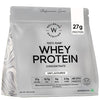 Whey Protein Concentrate 27g | 1kg | 4B CFU Probiotics | Unflavoured
₹2,849 – ₹5,698
Whey Protein Concentrate 27g | 1kg | 4B CFU Probiotics | Unflavoured
₹2,849 – ₹5,698
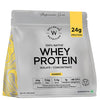 Whey Protein Isolate + Concentrate 24g | 1kg | 4B CFU Probiotics | Mango Flavoured
₹3,799 – ₹7,438
Whey Protein Isolate + Concentrate 24g | 1kg | 4B CFU Probiotics | Mango Flavoured
₹3,799 – ₹7,438
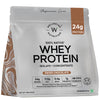 Whey Protein Isolate + Concentrate 24g | 1kg | 4B CFU Probiotics | Swiss Chocolate
₹3,799 – ₹7,438
Whey Protein Isolate + Concentrate 24g | 1kg | 4B CFU Probiotics | Swiss Chocolate
₹3,799 – ₹7,438
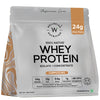 Whey Protein Isolate + Concentrate 24g | 1kg| 4B CFU Probiotics | Cappuccino
₹3,799 – ₹7,438
Whey Protein Isolate + Concentrate 24g | 1kg| 4B CFU Probiotics | Cappuccino
₹3,799 – ₹7,438
 Whey Protein Isolate 26g | 1kg | 4B CFU Probiotics | Bourbon Vanilla
₹4,364 – ₹8,548
Whey Protein Isolate 26g | 1kg | 4B CFU Probiotics | Bourbon Vanilla
₹4,364 – ₹8,548
 Whey Protein Isolate 26g | 2kg | 4B CFU Probiotics | Dark Chocolate
₹8,729 – ₹17,098
Whey Protein Isolate 26g | 2kg | 4B CFU Probiotics | Dark Chocolate
₹8,729 – ₹17,098
 Whey Protein Isolate 31g | 1kg | 4B CFU Probiotics | Unflavoured
₹4,364 – ₹8,729
Whey Protein Isolate 31g | 1kg | 4B CFU Probiotics | Unflavoured
₹4,364 – ₹8,729
 Whey Protein Isolate 31g | 2kg | 4B CFU Probiotics | Unflavoured
₹8,729 – ₹17,458
Whey Protein Isolate 31g | 2kg | 4B CFU Probiotics | Unflavoured
₹8,729 – ₹17,458


