Modern life puts a subtle but relentless strain on our bodies. Processed foods, sedentary routines, environmental toxins, and chronic stress push metabolism and detoxification systems beyond their natural capacities. Over time, this imbalance can result in fluctuating blood sugar, sluggish metabolism, oxidative stress, and liver overload.
Science increasingly turns to plant-derived compounds that operate at a cellular level, offering gentle but profound support. Two such compounds, berberine and milk thistle, are emerging as synergistic allies for modern health.
Berberine: The Metabolic Modulator

Berberine is found in plants such as Berberis aristata (Indian barberry). While it has been used for centuries in Ayurveda and Chinese medicine, modern research reveals how berberine works at the cellular level, making it a popular choice in berberine supplements today.
Berberine primarily activates AMP-activated protein kinase (AMPK), the body’s “cellular energy switch.” AMPK senses energy status in cells and regulates glucose uptake, lipid metabolism, and mitochondrial efficiency. Berberine also stimulates GLP-1 (glucagon-like peptide-1) pathways, enhancing satiety, slowing gastric emptying, and improving post-meal blood sugar regulation.
Activation of these pathways improves insulin sensitivity, encourages glucose uptake into muscle cells, and suppresses fat storage, which are critical for modern metabolic challenges. [NIH]
Berberine also influences peroxisome proliferator-activated receptors (PPARs), nuclear receptors that regulate genes controlling lipid metabolism. By modulating PPARα and PPARγ, it helps reduce LDL cholesterol, triglycerides, and supports healthy HDL levels. [NIH]
It also supports weight management, modulates the gut microbiome, and enhances GLP-1-related appetite regulation. [NIH] These cellular effects make berberine benefits extend beyond metabolism to digestion and overall well-being.
Milk Thistle: The Liver’s Cellular Protector

While berberine modulates metabolism, liver support is equally important. Milk thistle (Silybum marianum) is known for its hepatoprotective properties. Its active component, silymarin, stabilizes liver cell membranes, reduces oxidative damage, and enhances protein synthesis.
Silymarin acts as a powerful antioxidant, scavenging free radicals and promoting glutathione synthesis, the liver’s primary intracellular antioxidant. It helps maintain the liver’s ability to detoxify harmful compounds, process nutrients, and regulate cholesterol metabolism. [NIH]
At the cellular level, silymarin also inhibits NF-κB, a transcription factor that promotes chronic inflammation. [NIH] This complements berberine benefits and side effects, as berberine reduces pro-inflammatory markers in metabolic tissues.
Synergy Between Berberine and Milk Thistle
Combining berberine and milk thistle offers complementary effects. Berberine regulates energy, glucose metabolism, and fat storage, while milk thistle protects liver cells from oxidative stress and inflammation.
High blood sugar, excess fatty acids, and chronic inflammation can compromise hepatocyte function. Milk thistle supports liver cell integrity, while berberine helps lower blood sugar, cholesterol, and supports weight management. Together, they address both the cause and consequences of metabolic imbalance at a cellular level.
Emerging research suggests that supporting both metabolic pathways and liver health may improve outcomes in insulin resistance, non-alcoholic fatty liver, and oxidative stress-related conditions. This dual approach allows the body to recalibrate internal systems, restoring metabolic harmony and reducing long-term chronic disease risk.
Safety and Considerations
Both berberine capsules and milk thistle are generally well-tolerated. Understanding their mechanisms helps identify situations requiring caution.
Berberine side effects are typically mild and may include gastrointestinal discomfort such as constipation, diarrhea, or cramps. People taking medications metabolized by liver CYP450 enzymes should consult their healthcare provider.
Who should avoid taking berberine? Pregnant or breastfeeding individuals and those with severe liver conditions should avoid it without professional guidance.
Milk thistle is also well-tolerated; occasional gastrointestinal discomfort or mild allergic reactions may occur. People allergic to the Asteraceae family (e.g., ragweed, marigold) should be cautious.
Following recommended milk thistle and berberine dosage with professional guidance ensures safe integration into daily wellness routines.
Practical Integration into Daily Wellness
For those seeking berberine for diabetics, weight loss, or metabolic support, combining lifestyle practices with supplements maximizes benefits:
-
Nutrition: Focus on whole-food, berberine-rich foods like barberry, goldenseal, and bitter melon.
-
Movement: Physical activity stimulates AMPK, enhancing how berberine works in metabolism and fat oxidation.
-
Sleep and Stress Management: Optimizes liver regeneration and hormonal balance.
-
Supplement Timing: Berberine when to take is often before meals for glycemic support; milk thistle slow-release capsules work throughout the day to maintain hepatocyte protection.
Clean, effective supplements you can consider: For optimal results, choose high-quality formulations designed for maximum absorption and cellular support. Wellbeing Nutrition’s Liposomal Berberine HCL+ offers enhanced bioavailability, combining berberine with synergistic blends for blood sugar, metabolism, and weight management support. Complementing this, the Liver Detox Slow Capsule delivers milk thistle in a slow-release format, protecting liver cells and supporting detox pathways throughout the day. Together, these supplements provide a premium, science-backed approach to metabolic and liver wellness.
The Cellular Advantage
Berberine and milk thistle do not mask symptoms; they optimize the body’s natural systems. Berberine fine-tunes energy use, glucose metabolism, and gut microbiota. Milk thistle shields hepatocytes, reduces oxidative stress, and supports detoxification pathways. Together, they provide a synergistic cellular-level effect that supports berberine weight loss, blood sugar regulation, and liver health.
Conclusion
With metabolism and liver health under constant strain, berberine and milk thistle provide natural, science-backed support. Their cellular-level actions, modulating energy sensors, improving insulin sensitivity, protecting hepatocytes, and reducing oxidative stress, offer a comprehensive strategy to restore balance.
Supplements like Liposomal Berberine HCL+ and Liver Detox Slow Capsule bring these compounds into optimized, bioavailable forms designed to integrate seamlessly with modern routines. Berberine supplement benefits are maximized when paired with lifestyle support: balanced nutrition, movement, sleep, and stress management.
For anyone navigating unstable blood sugar, elevated cholesterol, sluggish metabolism, or liver stress, berberine and milk thistle can help the body regain equilibrium and promote complete wellness.

Recommended Products
 Liposomal Berberine HCL+
₹1,745 – ₹3,418
Liposomal Berberine HCL+
₹1,745 – ₹3,418
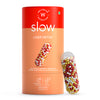 Liver Detox Slow
₹1,357 – ₹2,658
Liver Detox Slow
₹1,357 – ₹2,658