Cholesterol is often misunderstood. Your body actually needs it to build cells, make hormones, and aid digestion. The problem arises when there is an excess of LDL, or “bad” cholesterol, circulating in the bloodstream. High LDL can lead to fatty deposits in the arteries, making them narrow and less flexible, which increases the risk of heart disease and stroke.
The good news is that your cholesterol levels can be managed naturally through the right lifestyle choices. Food plays a direct role in how your body regulates cholesterol. By understanding which bad cholesterol foods to avoid and which to include, you can actively support healthy lipid levels.
Understanding the Basics of Cholesterol
There are two primary types of cholesterol:
-
LDL (Low-Density Lipoprotein) – Often called “bad” cholesterol, high levels can cause plaque buildup in the arteries.
-
HDL (High-Density Lipoprotein) – Known as “good” cholesterol, it helps remove excess cholesterol from the bloodstream.
Your goal is to reduce LDL while maintaining or increasing HDL. Diet, exercise, and portion control together form the foundation of effective cholesterol management.
Why Portion Control Matters
It is not only about what you eat but how much you eat. Even healthy foods, when consumed in excess, can contribute to weight gain, which can negatively impact cholesterol levels. Portion control keeps calorie intake in check, prevents overeating, and helps your body metabolize fats more efficiently.
A simple approach is to fill half your plate with vegetables, one-quarter with lean protein, and one-quarter with whole grains, while keeping high-fat and high-sugar foods as occasional treats.
Foods to Avoid for Lowering Bad Cholesterol
Certain foods can raise LDL cholesterol levels and should be limited or avoided if you are aiming to improve heart health.
1. Processed Meats

Bacon, sausages, hot dogs, and deli meats are high in saturated fats and sodium. Regular consumption can elevate LDL levels and strain cardiovascular health.
2. Fried Foods

French fries, fried chicken, and other deep-fried snacks absorb large amounts of unhealthy fats during cooking. These fats can contribute to plaque buildup in arteries.
3. Full-Fat Dairy Products
 Whole milk, cream, butter, cheese, and ice cream are high in saturated fats. While dairy can be part of a healthy diet, opt for low-fat or plant-based alternatives when possible.
4. Commercial Baked Goods

Cookies, pastries, and cakes often contain trans fats and refined sugars. Trans fats, in particular, are known to increase LDL and lower HDL, making them harmful for heart health.
5. Fast Food Meals

Burgers, pizzas, and other fast food items are often loaded with saturated fats, trans fats, and excessive sodium. Regular consumption can quickly disrupt healthy cholesterol balance.
6. Sugary Beverages

Soda, packaged juices, and energy drinks do not directly contain cholesterol but contribute to weight gain and metabolic issues that can raise LDL levels indirectly.
Foods to Eat for Lowering Bad Cholesterol
Choosing nutrient-rich, heart-friendly foods can help improve your cholesterol profile naturally.
1. Oats and Whole Grains

Oats are rich in soluble fiber, which helps reduce LDL by binding to cholesterol in the digestive tract and carrying it out of the body. Whole grains like brown rice, barley, and quinoa offer similar benefits.
2. Legumes

Beans, lentils, and chickpeas are high in fiber and plant-based proteins, making them excellent alternatives to red meat for supporting heart health.
3. Fatty Fish

Salmon, mackerel, and sardines are rich in omega-3 fatty acids, which can lower triglycerides and support healthy HDL levels.
4. Nuts and Seeds

Almonds, walnuts, chia seeds, and flaxseeds provide healthy fats, fiber, and plant sterols that support cholesterol balance. A small handful a day can be beneficial.
5. Fruits and Vegetables

Berries, apples, grapes, leafy greens, and cruciferous vegetables like broccoli and Brussels sprouts are rich in antioxidants and fiber. They help prevent LDL oxidation, which makes cholesterol more harmful.
Balance your Meal
|
Time |
Meal |
|
Early Morning |
Warm water with lemon + 4–5 soaked almonds |
|
Breakfast |
Vegetable oats upma with carrots, beans, peas, onions (cooked in minimal olive or cold-pressed oil) + 1 small bowl papaya or guava + Green/herbal tea (unsweetened) |
|
Mid-Morning Snack |
1 apple or pear + Handful of walnuts or flaxseeds |
|
Lunch |
1–2 whole wheat rotis or small portion of brown rice + 1 cup moong or masoor dal + 1 cup mixed vegetable curry (spinach, bottle gourd, broccoli, beans) + Cucumber-tomato-beetroot-carrot salad with lemon + Low-fat curd |
|
Evening Snack |
Moong sprout chaat with onion, tomato, coriander, lemon + Unsweetened herbal infusion (hibiscus, green tea, or chamomile) |
|
Dinner |
1–2 multigrain rotis or small bowl millet khichdi + 1 cup vegetable soup (tomato, spinach, carrot, no cream) + Grilled or lightly sautéed paneer/tofu with capsicum and zucchini |
|
Bedtime |
Warm turmeric almond milk (low-fat milk or unsweetened almond milk) |
Lifestyle Habits that Complement Diet
While diet is central to cholesterol management, certain habits can enhance your results:
-
Engage in at least 30 minutes of moderate exercise most days
-
Maintain a healthy weight
-
Avoid smoking and limit alcohol
-
Manage stress through meditation, yoga, or deep breathing
These habits work together with your dietary efforts to protect cardiovascular health.
Natural Supplement Support
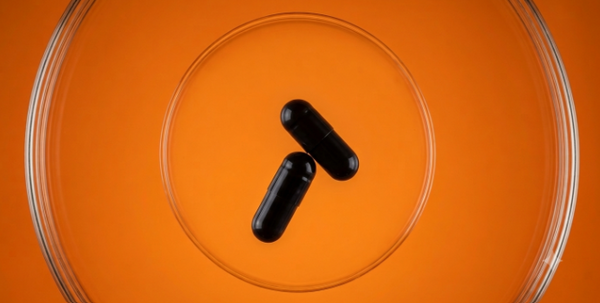
Alongside a balanced diet, certain natural supplements can offer additional support in managing cholesterol levels. At Wellbeing Nutrition, we offer SLOW Cholesterol Control, a scientifically crafted formula designed to naturally lower LDL and promote heart health.
It combines CoroWise™, containing 6% free sterols as phytosterol esters, and Vegapure®, a highly concentrated source of 91% phytosterol esters including beta-sitosterol, campesterol, and stigmasterol. These clinically studied ingredients work synergistically to help improve lipid profiles and maintain healthy cholesterol levels.
Cholesterol Control is ideal for those taking a proactive, natural approach to cardiovascular wellbeing. While not a substitute for a healthy lifestyle, it can be a valuable complement to balanced nutrition, portion control, and regular physical activity.
The Takeaway
Lowering bad cholesterol naturally is a steady process that combines mindful food choices, portion control, and consistent lifestyle habits. By limiting bad cholesterol foods, incorporating fiber-rich and nutrient-dense options, and knowing the foods to avoid for cholesterol, you can improve your lipid profile and protect your heart.
The key is balance. It is not about strict elimination but about making smarter choices, eating in moderation, and staying consistent. Over time, these small decisions can lead to lasting heart health and overall wellbeing.

Recommended Products
 Cholesterol Control Slow
₹1,357 – ₹2,658
Cholesterol Control Slow
₹1,357 – ₹2,658