Picture this. You are at a family dinner, enjoying a buttery paratha or cheesy pizza, when someone jokes, “Careful, that will raise your cholesterol!” You laugh, but later wonder, what exactly is cholesterol, and should you be worried?
Cholesterol is not a villain. The issue begins when too much of the wrong type builds up in your blood, silently clogging arteries like grease in a pipe. Over time, this can lead to heart disease. The good news is that simple home remedies, lifestyle changes, and certain cholesterol lowering supplements can keep your heart strong. But first let's understand what cholesterol really means.
What Does Cholesterol Really Mean?
Cholesterol is a waxy, fat-like substance found in every cell of your body. Your liver makes most of it naturally, while a smaller portion comes from animal-based foods like eggs, meat, and dairy. Think of cholesterol as a raw material your body uses to build and repair important structures (NIH).
Functions of Cholesterol
-
Hormone Production: Cholesterol acts as the raw material for key hormones like estrogen, testosterone, and cortisol, which regulate everything from energy and mood to reproduction. (NIH)
-
Vitamin D Formation: When sunlight hits your skin, cholesterol molecules (7-dehydrocholesterol) are converted into vitamin D, supporting bone health, immunity, and calcium absorption. (NIH)
-
Digestive Health: Cholesterol helps the liver make bile acids, which break down dietary fats into smaller particles so your body can absorb nutrients efficiently. (NIH)
-
Cell Structure: Cholesterol sits within cell membranes, adding stability and flexibility, so cells can communicate and function properly. (NIH)
The Two Forms: LDL and HDL
-
Low-Density Lipoprotein (LDL): Often called “bad cholesterol,” LDL carries cholesterol from the liver into the bloodstream. When levels are high, it can deposit cholesterol on artery walls, creating plaques that narrow and harden arteries. (CDC)
-
High-Density Lipoprotein (HDL): Known as “good cholesterol,” HDL removes excess cholesterol from the blood and carries it back to the liver for disposal. Higher HDL levels are linked to lower heart disease risk (AHA).
Why Balancing LDL and HDL Matters
Cholesterol transport is a balancing act. Too much LDL without enough HDL tips the scale toward artery damage and heart disease.
-
LDL overload: Excess LDL particles penetrate artery walls, where they can become oxidized. This sparks inflammation and attracts immune cells, leading to fatty streaks that grow into atherosclerotic plaques (NIH).
-
HDL protection: HDL performs reverse cholesterol transport, picking up stray cholesterol and sending it back to the liver for recycling or removal. Strong HDL activity helps keep arteries clear (NIH).
-
The balance factor: High LDL with low HDL is a high-risk setup, clogging arteries and reducing blood flow to the heart and brain. On the other hand, maintaining the right LDL-HDL balance protects cardiovascular health and lowers the risk of heart attacks and strokes.
Key takeaway: It’s not just about lowering cholesterol numbers. It’s about achieving the right LDL-HDL balance to keep your blood vessels healthy and your heart strong.
Everyday Home Remedies for High Cholesterol
1. Add More Soluble Fiber
-
Soluble fiber forms a gel-like substance in your gut, trapping cholesterol and bile acids and carries them out of your body through stool.
-
Since your liver needs bile acids for digestion, it pulls more cholesterol from the blood to make new ones, which lowers LDL levels (NIH).
-
Foods such as Oats, beans, lentils, flaxseeds, apples, citrus fruits help in this process.
💊 Supplement Suggestion: Plant-based dietary fiber supplement infused with 17 organic superfoods, helping improve digestive health and support natural cholesterol management.
2. Use Healthy Fats
-
Saturated and trans fats raises LDL by making your liver produce more “bad” cholesterol.
-
Monounsaturated fats (like olive oil and avocados) help lower LDL because they change the way fat is transported in your blood.
-
They also keep HDL, the “good cholesterol,” stable or slightly increased, which helps clear extra cholesterol from arteries (AHA).
3. Include Omega-3 Rich Foods
-
Omega-3 fatty acids (Fishlike salmon, mackerel, sardines; flaxseeds; chia seeds; walnuts) reduce the amount of triglycerides your liver makes, which often come with high LDL and raise heart risk.
-
Omega-3s also make blood less sticky, reducing clot formation, and they calm inflammation in arteries, which prevents plaque buildup (Mayo Clinic).
💊 Supplement Suggestion: Omega 3 Fish Oil with pure omega-3 in natural triglyceride form, clinically proven to support heart health and improve lipid profiles.
4. Stay Active
-
Exercise increases the activity of enzymes in your muscles that help move LDL from the blood into the liver, where it can be broken down.
-
At the same time, exercise raises HDL, which works like a cholesterol “vacuum cleaner,” picking up excess cholesterol from arteries (CDC).
5. Manage Stress
-
Chronic stress triggers the release of cortisol and adrenaline, hormones that push your liver to release more cholesterol and triglycerides into the blood.
-
Stress also raises blood pressure and inflammation, which make artery walls more prone to cholesterol deposits.
-
Calming practices (meditation, journaling, breathing exercises, nature walks) regulate these hormones and reduce cholesterol imbalance (NIH).
6. Spice Up with Turmeric
-
Turmeric contains curcumin, which reduces oxidation of LDL cholesterol.
-
Oxidized LDL is particularly harmful because it sticks to artery walls and starts plaque formation.
-
Curcumin also lowers inflammatory molecules that make arteries more rigid and prone to blockages (NIH).
7. Sleep Well
-
Poor sleep disrupts hormones like insulin and cortisol, which control fat metabolism.
-
This leads to higher LDL and triglycerides, and lower HDL.
-
Sleep also helps your liver function properly, which is key for managing cholesterol balance (APS).
8. Clinically Proven Natural Cholesterol Support
Alongside lifestyle changes, certain clinically proven supplements can enhance cholesterol management.
💊 Supplement Suggestion: Cholesterol Control Slow, a patented blend of plant sterols (CoroWise™ and Vegapure®) that helps manage healthy cholesterol levels. It blocks absorption of dietary cholesterol, reduces LDL, and supports cardiovascular health.
A Sample Daily Routine to Lower Cholesterol
-
Morning: Oats with flaxseeds and apple slices + 20-minute brisk walk
-
Midday: A handful of almonds or walnuts + short deep breathing session
-
Lunch: Brown rice with dal, sautéed vegetables in olive oil, salad + 10-minute stretch
-
Evening Herbal tea + light cycling or walk
-
Night: Grilled fish or paneer with leafy greens, turmeric, and whole wheat roti + no heavy desserts + 7 to 8 hours of sleep
Key Takeaway
Managing cholesterol at home is not about quick fixes but about stacking small wins daily. Choosing oats over sugary cereal, nuts over chips, a walk over sitting on the couch, and including clinically proven supplements can help lower LDL, raise HDL, and keep your heart healthy.
High cholesterol symptoms may not always be obvious, but regular monitoring, lifestyle habits, and these supplements give you a holistic approach to maintaining optimal cholesterol numbers.

Recommended Products
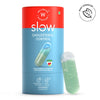 Cholesterol Control Slow
₹1,357 – ₹2,658
Cholesterol Control Slow
₹1,357 – ₹2,658
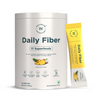 Daily Fiber | Pina Colada Flavour
₹872 – ₹1,708
Daily Fiber | Pina Colada Flavour
₹872 – ₹1,708
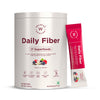 Daily Fiber | Vanilla Berry Flavour
₹872 – ₹1,708
Daily Fiber | Vanilla Berry Flavour
₹872 – ₹1,708
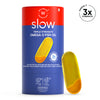 3x Strength Omega 3 Fish Oil
₹1,199
3x Strength Omega 3 Fish Oil
₹1,199
 4x Strength Omega 3 Fish Oil
₹1,274
4x Strength Omega 3 Fish Oil
₹1,274
 6x Strength Omega 3 Fish Oil
₹1,939 – ₹3,798
6x Strength Omega 3 Fish Oil
₹1,939 – ₹3,798