While your body does need cholesterol for essential functions like hormone production and cell building, excess LDL or “bad” cholesterol can silently sabotage your heart health.
What makes high cholesterol particularly dangerous is that it often shows no obvious symptoms. It's earned the nickname “the silent killer” for a reason.
Let’s understand the subtle warning signs and explore clinically backed, natural ways to support healthier cholesterol levels starting today.
What Is Cholesterol?
Cholesterol is a waxy, fat like substance present in your blood. It plays an essential role in forming cell membranes, hormones, and vitamin D. Your liver makes all the cholesterol you need, but it’s also found in many foods.
The two main types to understand:
-
LDL (Low Density Lipoprotein): Often labeled "bad" cholesterol, as it contributes to plaque buildup in arteries.
-
HDL (High Density Lipoprotein): The “good” kind, which helps remove excess cholesterol from your bloodstream.
When LDL levels rise and HDL drops, it increases your risk for heart disease, stroke, and more.
8 Symptoms That Could Signal High Cholesterol
While high cholesterol itself doesn’t lead to any symptoms directly, it sets the stage for other conditions that do. Here are 8 subtle signs worth noticing:
1. Shortness of Breath
When arteries are narrowed by plaque buildup, oxygen supply to the body, especially the lungs, can be compromised. You might notice breathlessness even with light physical activity. (NIH)
2. Fatigue & Weakness
If you're constantly tired despite proper sleep, poor circulation linked to cholesterol buildup could be the culprit. Reduced oxygen supply to muscles and tissues can leave you feeling drained. (NIH)
3. Xanthomas
These are fatty, yellowish deposits under the skin, often found on elbows, knees, hands, or around the eyes. They indicate lipid imbalances and are more common in people with high triglycerides. (NIH)
4. Arcus Senilis (White Ring in the Eye)
A gray or white arc around the cornea, often called arcus senilis as someone ages, their blood vessels widen, allowing more cholesterol and other fats to build up in the eyes. (NIH)
5. Chest Pain (Angina)
Plaque buildup in the coronary arteries can limit blood flow to the heart, triggering chest discomfort during physical or emotional stress. (NIH)
6. High Blood Pressure
Cholesterol buildup stiffens and narrows arteries, making it harder for blood to flow, which can elevate blood pressure over time. A study of 4,680 participants found that cholesterol levels were directly linked to blood pressure across all individuals. (NIH) A 2005 study in Hypertension reported that high blood cholesterol could be a predictor of high blood pressure. (NIH)
7. Pain in the Legs While Walking
Known as Peripheral Artery Disease (PAD), this is caused by narrowed arteries reducing circulation to the legs. If walking causes discomfort or pain in your calves, it could be more than just muscle strain.(NIH)
8. Stroke or Mini Stroke (TIA) Symptoms
High cholesterol increases the risk of plaque breaking loose and blocking blood flow to the brain. Research confirms that high cholesterol increases stroke risk due to arterial narrowing. (NIH) Warning signs include sudden dizziness, numbness, or slurred speech. (NIH)
Note: These symptoms can also indicate other conditions. It’s important to consult a healthcare professional for an accurate diagnosis.

Ways to Lower High Cholesterol Naturally
Through intentional lifestyle shifts and targeted nutraceutical support, cholesterol levels can be managed and often improved through natural interventions.
1. Eat for a Healthy Heart
-
Cut Trans & Saturated Fats: Found in fried food, red meat, and processed snacks they raise LDL levels.
-
Add More Fiber: Especially soluble fiber, which binds to cholesterol in the digestive system and removes it through waste. Think of oats, apples, legumes, and flaxseeds.(NIH)
-
Focus on Healthy Fats: Swap out butter and processed oils for heart smart choices like avocados, nuts, seeds, olive oil, and fatty fish (salmon, trout, herring) (NIH) (NIH)
2. Move Your Body Regularly
Exercise helps raise HDL (good cholesterol) and lowers LDL. Aim for at least 150 minutes of moderate aerobic exercise weekly; walking, cycling, swimming, or even dancing counts. (NIH)
3. Maintain a Healthy Weight
Even a 5 -10% weight loss can improve your lipid profile significantly. A balanced diet and consistent movement go a long way.
A study showed a man lowered his LDL cholesterol by 52.8% & total cholesterol by 40% without medication after just 6 weeks of dietary changes and moderate exercise. NIH)
4. Limit Alcohol + Quit Smoking
-
Alcohol: Increases triglycerides and can damage the liver if consumed in excess.
-
Smoking: Lowers HDL and promotes arterial damage, creating a perfect storm for plaque buildup.
5. Manage Stress
Chronic stress may contribute to higher cholesterol levels. Mindful practices like meditation, journaling, deep breathing, or simply unplugging can help regulate your body’s stress response.
6. Supplement Smartly with Nutraceuticals
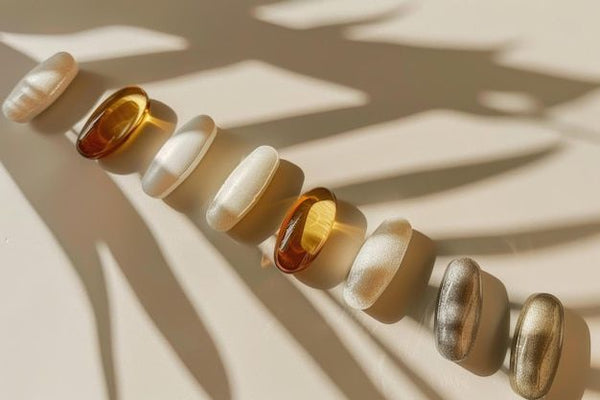
A balanced, nutrient-rich diet should always be your foundation. But when it comes to targeted heart health support, high-quality, science-backed supplements can help bridge the gaps—especially in today’s fast-paced lifestyles where nutrition often takes a back seat.
Here’s what to focus on:
🟢 Plant Sterols – Nature’s Cholesterol Blockers
Plant sterols are compounds structurally similar to cholesterol, and they work by blocking its absorption in the intestine—helping reduce LDL (“bad”) cholesterol levels naturally.
At Wellbeing Nutrition, we’ve created Cholesterol Control, India’s first advanced nutraceutical powered by CoroWise™ and Vegapure®—two patented and clinically proven plant sterols that actively support cardiovascular health and help maintain healthy lipid profiles.
🟣 Omega-3 Fatty Acids – Anti-Inflammatory Essentials
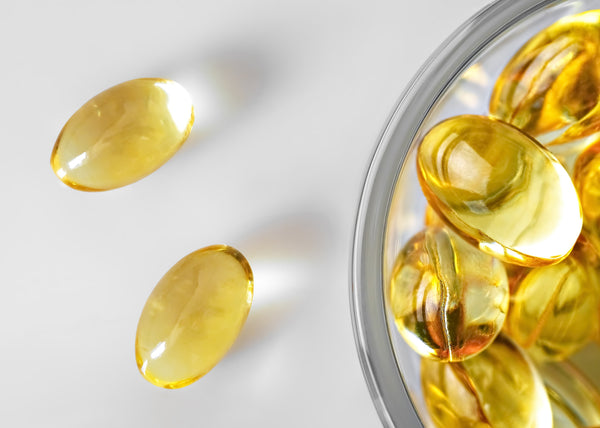
Omega-3s (EPA and DHA), primarily found in fatty fish or algae, are known to reduce triglyceride levels, lower blood pressure slightly, and combat chronic inflammation—an underlying factor in heart disease.
Our Omega 3 Fish Oil comes in various strengths to suit your needs, while our Multi + Omega offers a vegan alternative sourced from microalgae—delivering heart, brain, and joint benefits in one convenient formula.
🟤 Fiber – The Unsung Hero of Heart Health
Soluble fiber binds to cholesterol in the digestive system, helping to remove it from the body before it reaches the bloodstream. It also helps regulate blood sugar and supports healthy digestion.
Our Daily Fiber Blend is made from 100% plant-based ingredients and features 17 organic superfoods, including oats, flaxseed, and apple pectin—crafted to promote a healthy lipid profile, improve gut health, and support daily detox.
✅ Pro Tip:
Always choose supplements that are transparent about their sourcing, clinically validated, and free from synthetic additives or hidden fillers. Think of them as daily investments in your long-term health—not shortcuts, but smart support systems that complement your lifestyle.
7. Get Regular Check Ups
Track your cholesterol levels at least once a year, or more frequently if you have additional risk factors like obesity, diabetes, or a family history of heart disease.
In a Nutshell
High cholesterol might not scream for your attention but ignoring it can have long term consequences. From fatigue to chest pain, the signs are often subtle, but serious.
Fortunately, you don’t have to wait for a diagnosis to make a change. With mindful nutrition, movement, stress reduction, and clean supplements, you can take meaningful steps toward a healthier, stronger heart.
Looking for a clean, science-first way to support your cholesterol and heart health? Explore our Wellbeing Nutrition’s curated range of clinically proven nutraceuticals designed to fuel your heart, liver, and whole-body wellness naturally.
Your Heart Deserves Better. Start Today.

Recommended Products
 Cholesterol Control Slow
₹1,357 – ₹2,658
Cholesterol Control Slow
₹1,357 – ₹2,658
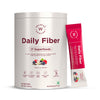 Daily Fiber | Vanilla Berry Flavour
₹872 – ₹1,708
Daily Fiber | Vanilla Berry Flavour
₹872 – ₹1,708
 Multi + Omega 50+ Slow
₹1,357 – ₹2,658
Multi + Omega 50+ Slow
₹1,357 – ₹2,658
 Multi + Omega for Her Slow
₹1,357 – ₹2,658
Multi + Omega for Her Slow
₹1,357 – ₹2,658
 Multi + Omega for Him Slow
₹1,357 – ₹2,658
Multi + Omega for Him Slow
₹1,357 – ₹2,658
 6x Strength Omega 3 Fish Oil
₹1,939 – ₹3,798
6x Strength Omega 3 Fish Oil
₹1,939 – ₹3,798