Fish oil sits in a unique category of supplements. It is widely recommended, heavily researched, and casually consumed, often without a second thought. People take it for their heart, joints, brain, skin, hormones, and sometimes simply because it feels like a “safe daily habit.”
Which leads to one of the most searched questions in nutrition today: is it safe to take fish oil everyday?
The honest answer is not a simple yes or no. For many people, is it safe to take fish oil daily becomes true only when dosage, quality, digestion, and individual health context are aligned. For others, daily use may quietly create discomfort, interactions, or unnecessary risk.
Fish oil is not dangerous. But it is biologically active, and that means it deserves informed use.
Why Fish Oil Works So Well

The benefits of fish oil come primarily from two omega-3 fatty acids, EPA and DHA, which influence inflammation pathways, cell membrane flexibility, cardiovascular signaling, and neurological communication.
This is why fish oil benefits extend far beyond just heart health and include:
-
Support for healthy triglyceride levels: Omega-3 fatty acids help regulate how the liver produces and clears triglycerides from the bloodstream, supporting healthier lipid balance over time. This effect is especially relevant for individuals with diets high in refined carbohydrates or sedentary lifestyles (NIH).
-
Reduced joint stiffness and exercise-related inflammation: EPA and DHA help modulate inflammatory pathways involved in joint discomfort and post-workout soreness. Regular intake can support smoother movement, faster recovery, and improved training consistency (NIH).
-
Cognitive and mood balance: DHA is a structural component of brain cell membranes and supports efficient communication between neurons. Adequate omega-3 intake has been linked to improved focus, emotional regulation, and stress resilience (NIH).
-
Eye and skin hydration: Omega-3s support tear film stability in the eyes and help maintain the skin’s lipid barrier. This contributes to better moisture retention, reduced dryness, and overall tissue comfort (NIH).
-
Hormonal and metabolic signaling support: Omega-3 fatty acids influence cell membrane fluidity, which affects how hormones and metabolic signals are received by cells. This supports balanced insulin response, energy regulation, and overall metabolic efficiency (NIH).
When taken correctly, Fish oil capsules integrate into your body’s physiology rather than simply passing through it. For most healthy adults, moderate daily intake is both effective and well tolerated, which is why many ask whether is fish oil capsules safe as a long-term habit.
The answer depends on who is taking it and how.
Is It Safe to Take Fish Oil Everyday?
For the general population, yes, is it safe to take fish oil every day when:
-
The dosage matches the individual’s needs
-
The oil is highly purified and oxidation-controlled
-
It is taken with meals for proper absorption
-
There are no conflicting medical conditions or medications
Daily omega-3 intake mirrors how humans historically consumed fats from fish-rich diets. The problem arises when modern supplementation ignores quality, dose, and context.
Taking fish oil daily without understanding fish oil dosage is where safety begins to blur.
Who Should Be Cautious with Daily Fish Oil Use
Daily fish oil can be beneficial, but its effects are not identical for everybody. Certain health conditions, medications, and sensitivities can change how omega-3s interact with your system, making caution essential rather than optional.
1. People With Fish or Shellfish Allergies
This is one of the most overlooked yet important considerations. Although most Fish oil capsules are refined to remove proteins, trace allergens can still remain, especially in lower-quality or poorly purified oils.
For individuals with fish or shellfish allergies, fish oil may cause:
-
Skin rashes or itching
-
Digestive upset
-
Respiratory discomfort in sensitive cases
This does not automatically mean omega-3s are off-limits. It means the source matters. Algae-based omega-3 supplements provide DHA and EPA without allergen exposure and are often safer for those with known seafood allergies.
2. People on Blood Thinners or With Bleeding Disorders
Omega-3s naturally support healthy blood flow, which is one of their cardiovascular strengths. For people on anticoagulant medications or with bleeding disorders, this simply means dosage should be personalized.
Concentrated formulations such as 3x Strength Omega 3 Fish Oil, 4x Strength Omega 3 Fish Oil, and 6x Strength Omega 3 Fish Oil are designed to deliver precise amounts of EPA and DHA efficiently, making them best used with professional guidance when higher intakes are required.
3. Individuals With Digestive Sensitivity
Fish oil is fat, and fat digestion requires adequate bile flow and enzyme activity. People with acid reflux, IBS, gallbladder issues, or fat malabsorption may experience nausea, bloating, loose stools, or the classic fishy aftertaste.
This is often misinterpreted as intolerance, when it is actually a digestion and formulation issue. Taking fish oil with meals and choosing stable, high-purity oils reduces symptoms, but for some individuals, daily use still isn’t ideal.
Pregnancy, Breastfeeding, and Fish Oil Safety
During pregnancy and breastfeeding, DHA plays a critical role in fetal brain and eye development. This makes omega-3 intake beneficial, but only when purity and testing standards are uncompromising.
Poor-quality fish oil may contain heavy metals, environmental contaminants, or oxidized fats, which are not ideal during these sensitive stages.
In these cases, daily use can be safe, but only with clinically tested, ultra-purified formulations and appropriate fish oil dosage.
The Role of Strength and Formulation
Not all omega-3 supplements are the same. Standard formulations, 3x Strength Omega 3 Fish Oil, 4x Strength Omega 3 Fish Oil, and 6x Strength Omega 3 Fish Oil are designed to support different wellness needs, lifestyles, and dietary gaps.
-
3x Strength Omega 3 Fish Oil is ideal for daily maintenance and general wellbeing. It suits individuals who eat little to moderate amounts of fatty fish and want consistent support for heart health, joints, skin, and brain function without high-dose intervention.
-
4x Strength Omega 3 Fish Oil works well for active individuals, high-stress lifestyles, or those experiencing increased inflammatory load from workouts, long work hours, or inconsistent diets. It offers stronger support while still fitting comfortably into a daily routine.
-
6x Strength Omega 3 Fish Oil is designed for targeted, high-need support, such as elevated triglycerides, joint discomfort, or periods of increased physiological demand. It delivers therapeutic levels of EPA and DHA with fewer capsules, making it efficient and convenient when higher intake is required.
Higher strength simply offers efficiency and flexibility, not superiority. The best choice is the one that aligns with your body’s needs, your health goals, and how consistently you can maintain the routine.
This is where wellbeing-focused formulation truly makes the difference.
Conclusion
Fish oil earns its reputation because it works, but its effectiveness depends on how thoughtfully it is used. For most healthy individuals, daily omega-3 intake can be a valuable long-term ally, yet safety is shaped by factors like dosage, formulation strength, digestive capacity, allergies, medications, and life stage.
Fish oil is not a one-size-fits-all supplement, it is a targeted nutritional tool. When quality is high, dosing is appropriate, and personal health context is respected, fish oil supports the body with precision rather than pressure. The real question is not whether fish oil is safe, but whether it is being used in a way that truly serves your body’s needs.
FAQs
1. Is it safe to take fish oil everyday?
Yes, for most healthy adults it is safe to take fish oil every day when the dosage is appropriate, the oil is high quality, and it is taken with meals. Safety depends on individual health conditions, medications, and digestion.
2. Is it safe to take fish oil daily for long-term use?
Fish oil can be taken daily long term if the dosage aligns with your needs and the supplement is purified and oxidation-controlled. Problems usually arise from excessive dosing or poor-quality formulations.
3. Is fish oil capsules safe for people with allergies?
Fish oil capsules may not be safe for individuals with fish or shellfish allergies, as trace allergens can remain. In such cases, algae-based omega-3 supplements are often a safer alternative.
4. Who should avoid taking fish oil supplements?
People with fish allergies, bleeding disorders, those on blood thinners, or individuals advised against omega-3s by their doctor should avoid or strictly monitor fish oil use.
5. What is the recommended fish oil dosage for daily use?
Fish oil dosage varies based on health goals, diet, and age, but most people benefit from moderate daily intake rather than high therapeutic doses. Higher-strength formulas should be used only when clearly needed.
6. Can fish oil cause side effects if taken daily?
Daily fish oil may cause digestive discomfort, nausea, or reflux in sensitive individuals, especially when taken on an empty stomach or in high doses. These effects are often linked to digestion and product quality.
7. Is fish oil safe during pregnancy and breastfeeding?
Fish oil can be safe and beneficial during pregnancy and breastfeeding when it is highly purified and properly dosed. DHA is especially important, but quality and medical guidance are essential during these stages.

Recommended Products
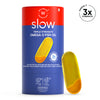 3x Strength Omega 3 Fish Oil
₹1,199
3x Strength Omega 3 Fish Oil
₹1,199
 4x Strength Omega 3 Fish Oil
₹1,274
4x Strength Omega 3 Fish Oil
₹1,274
 6x Strength Omega 3 Fish Oil
₹1,939 – ₹3,798
6x Strength Omega 3 Fish Oil
₹1,939 – ₹3,798