Health rarely collapses overnight. It shifts gradually, cell by cell, signal by signal. Immunity recalibrates in response to stress. Skin renews itself in layered cycles. Energy rises and falls based on microscopic reactions most of us never see.
Within this constant internal movement, two micronutrients play a steady, foundational role: Vitamin C and zinc.
They are not trend-driven ingredients or seasonal fixes. They are biochemical essentials. From immune cell communication to antioxidant protection, from collagen formation to tissue repair, their influence runs deep and consistent.
To truly understand the scope of vitamin C and zinc benefits is to appreciate how small nutrients quietly sustain large systems.
Let’s explore how.
Why Vitamin C and Zinc Work Better Together
Individually, both nutrients are powerful. Together, they create biochemical synergy.
Vitamin C is a water-soluble antioxidant that protects cells from oxidative stress and supports immune cell function. Zinc is a trace mineral essential for over 300 enzymatic reactions, including DNA synthesis and immune signaling.
The benefits of the combination are:
1. Immune Resilience

The phrase “immune boosting” is often overused. The immune system does not need boosting. It needs balance.
Vitamin C accumulates in white blood cells, enhancing their ability to migrate to infection sites and neutralize pathogens. It also supports apoptosis, the controlled clearing of spent immune cells, preventing prolonged inflammation (NIH).
Zinc plays a regulatory role. It helps immune cells mature properly and modulates inflammatory cytokines. Even mild zinc deficiency can impair immune response (NIH).
This is where the true vitamin C and zinc benefits emerge. Not exaggerated stimulation. Not overstimulation. But calibrated defense.
2. Skin, Collagen, and Barrier Integrity

Your skin is a biochemical shield. And collagen is its scaffolding.
Vitamin C is essential for collagen synthesis. Without it, collagen fibers weaken, wound healing slows, and skin elasticity declines. This is why severe vitamin C deficiency historically led to scurvy, marked by fragile skin and bleeding gums (NIH).
Zinc supports (NIH):
-
Tissue repair depends on zinc-supported protein synthesis and cell division, allowing damaged cells to regenerate efficiently and restore structural integrity.
-
Wound healing is accelerated when zinc aids collagen formation, supports immune defense at the injury site, and promotes controlled inflammation necessary for proper recovery.
-
Inflammatory balance in skin is maintained through zinc’s ability to regulate cytokine activity, preventing excessive redness, irritation, or prolonged inflammatory cycles.
-
Sebum regulation is influenced by zinc’s role in modulating oil gland activity, helping maintain clearer pores and a more stable skin environment.
Together, they protect structural integrity while reducing oxidative damage from pollution and UV exposure. Your glow is not cosmetic. It is cellular.
3. Antioxidant Defense and Cellular Aging

Every breath you take generates free radicals. So does stress, pollution, intense exercise, and metabolic activity.
Vitamin C directly neutralizes reactive oxygen species and regenerates other antioxidants like vitamin E. Zinc contributes indirectly by supporting antioxidant enzymes such as superoxide dismutase (NIH).
When oxidative stress overwhelms the system, cells age faster, inflammation rises, and immune response falters. Adequate intake of vitamin C and zinc supports cellular longevity by maintaining redox balance. Quietly. Consistently.
4. Energy, Recovery, and Everyday Vitality

Low energy is often blamed on sleep or stress. Sometimes, micronutrient gaps play a subtle role.
Vitamin C supports (NIH):
-
Carnitine synthesis for energy metabolism by enabling the production of carnitine, a molecule that transports fatty acids into mitochondria where they are converted into usable cellular energy.
-
Iron absorption, reducing fatigue risk by enhancing the conversion of non-heme iron into a more absorbable form, thereby supporting hemoglobin production and oxygen delivery.
-
Adrenal function during stress by participating in the synthesis of stress hormones and protecting adrenal tissues from oxidative strain during periods of high demand.
-
Hormonal balance by influencing the production, regulation, and receptor sensitivity of key hormones including insulin, thyroid hormones, and reproductive hormones.
-
Protein synthesis by acting as a structural and catalytic component of enzymes involved in DNA transcription and cellular growth.
-
Muscle repair and recovery by facilitating tissue regeneration, supporting inflammatory control post-exercise, and enabling efficient rebuilding of muscle fibers.
When levels dip, symptoms can feel vague. Slower recovery. Dull skin. Reduced appetite. Lower immunity. These are not dramatic signals. They are whispers. And often, they point toward mild insufficiencies rather than overt disease.
Recognizing Vitamin C Deficiency
Severe deficiency is rare today. Suboptimal intake, however, is not.
Early signs may include:
-
Frequent infections
-
Slow wound healing
-
Bleeding gums
-
Persistent fatigue
-
Dry or rough skin
Because vitamin C is water-soluble and not stored extensively, regular intake is essential. The body relies on daily supply. Zinc deficiency may present with reduced immunity, hair thinning, poor wound healing, or altered taste perception.
These symptoms are subtle at first. But biology notices.
Practical Steps to Support Optimal Levels
Micronutrient sufficiency is rarely about dramatic interventions. It is built through consistent, intelligent daily habits that quietly compound over time. Supporting optimal levels of vitamin C and zinc begins with food diversity and metabolic awareness.
-
Include at least one vitamin C rich fruit daily, such as amla, guava, citrus, or berries, to maintain steady plasma levels of this water-soluble antioxidant.
-
Add zinc rich seeds, legumes, nuts, dairy, or quality protein sources to meals regularly to sustain enzymatic function and immune resilience.
-
Minimize excessive ultra-processed foods, which often displace nutrient-dense options while increasing oxidative and inflammatory burden.
-
Actively manage chronic stress through sleep, movement, and recovery practices, as prolonged stress accelerates micronutrient turnover and depletion.
-
Consider vitamin C and zinc tablets during periods of increased physiological demand such as seasonal immune stress, intense training, travel, or recovery, ideally under professional guidance to ensure appropriate dosing.
Small, repeated decisions shape biochemical stability. Over time, these choices translate into measurable resilience.
How Much Is Enough?
-
Vitamin C recommended intake: Approximately 75–90 mg daily for adults, though higher intakes are often used in clinical settings (NIH).
-
Zinc recommended intake: Approximately 8–11 mg daily for adults (NIH).
Higher doses should be guided by professional advice. More is not automatically better. Zinc in excess can interfere with copper balance.
Precision matters more than quantity.
Final Thoughts
Health is rarely built on dramatic interventions. It is built on quiet consistency. Vitamin C and zinc are not trend nutrients. They are foundational allies in immune regulation, collagen integrity, antioxidant defense, and cellular repair.
Understanding the real vitamin C and zinc benefits allows you to move beyond marketing language and into metabolic clarity.
Your body is always working. The question is whether you are giving it what it needs to work well.
FAQs
1. What are the main vitamin C and zinc benefits for overall health?
The primary vitamin C and zinc benefits include stronger immune regulation, improved collagen production, enhanced antioxidant protection, better wound healing, hormonal balance, and support for cellular repair and recovery. Together, they help maintain resilience rather than simply “boost” immunity.
2. Can I take vitamin C and zinc tablets daily?
Yes, vitamin C and zinc tablets can be taken daily within recommended doses, especially if dietary intake is inconsistent or during periods of higher demand such as seasonal immune stress, travel, or recovery. However, dosing should remain within safe limits and ideally be guided by a healthcare professional.
3. What are the symptoms of vitamin C deficiency?
Early signs of vitamin C deficiency may include frequent infections, slow wound healing, bleeding gums, fatigue, dry skin, and reduced collagen integrity. Severe deficiency is rare, but mild insufficiency is more common than many realize.
4. How do vitamin C and zinc support immunity together?
Vitamin C enhances immune cell activity and reduces oxidative stress, while zinc supports immune cell development and regulates inflammatory signaling. Together, they create a balanced, well-coordinated immune response rather than overstimulation.
5. Do vitamin C and zinc help with skin health?
Yes, vitamin C is essential for collagen synthesis and antioxidant protection, while zinc supports tissue repair, inflammatory balance, and sebum regulation. Their combined action strengthens the skin barrier and supports clearer, more resilient skin.
6. Can vitamin C and zinc improve energy levels?
Indirectly, yes. Vitamin C supports iron absorption and carnitine synthesis for energy metabolism, while zinc contributes to hormonal balance and protein synthesis. When deficiencies are corrected, improvements in fatigue and recovery may follow.
7. How much vitamin C and zinc should adults take daily?
Most adults require approximately 75–90 mg of vitamin C and 8–11 mg of zinc daily, though needs may vary based on age, lifestyle, stress levels, and health status. Higher doses should only be used under professional supervision to avoid imbalance.

Recommended Products
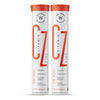 Organic Vitamin C + Zinc
₹758 – ₹2,035
Organic Vitamin C + Zinc
₹758 – ₹2,035