You finally decide to give marine collagen a try. You picture smoother skin, stronger hair, and a glow that feels like it is coming from deep inside your cells. You have seen the claims, the before after photos, the science. You mix your first scoop into your coffee and wait for the magic.
But instead of a brighter complexion, you feel something else. A little warmth on the face. A patch of itching on your arm. A strange tightness in your throat or a sudden wave of bloating you cannot explain. You wonder if this is normal or if your body is trying to speak.
And here is the truth. Marine collagen is one of the most potent tools for skin, hair, and joint health. But a small group of people can experience reactions that feel like allergies. Understanding these signals early can make all the difference.
This blog is your clear, science backed guide to knowing what is safe, what is not, and how to use marine collagen in a way that supports your cells instead of stressing them.
Why Marine Collagen Works So Well?

Before we talk about symptoms, it helps to understand why marine collagen is so popular in wellness science.
Marine collagen peptides are made of fish skin and scales. After you consume them, they break down into bioactive dipeptides such as hydroxyproline glycine, which travel through the bloodstream and signal your fibroblasts to produce more collagen, elastin, and hyaluronic acid.
This is not marketing language. It is proven physiology.
A clinical trial using oral fish collagen peptides showed a 12% increase in skin moisture in 8 weeks and linked this effect to increased glycosaminoglycan synthesis in the epidermis (NIH).
Another study of the same peptide source demonstrated a 31.2% reduction in skin fragmentation at 12 weeks, associated with reduced MMP1 expression and increased TIMP1 (NIH).
But even with this strong biological alignment, some people experience symptoms that should not be ignored.
Marine Collagen Allergy Symptoms
An allergy is essentially an overexcited immune system.
Your immune cells misidentify a protein as an invader, release histamine, and start the chain reaction that produces itching, swelling, redness, or digestive distress.
These are the most common reactions people may notice after taking marine collagen. Not everyone experiences all of them, but if one or more appear soon after supplementation, consider it a signal.
1. Skin changes

Your skin is often the first place your immune system expresses discomfort.
Look out for:
-
Itching or tingling
-
Hives
-
Red patches
-
Sudden flushing of the face or neck
These reactions usually indicate histamine release or a mild immune response.
2. Digestive discomfort

Although collagen is usually soothing for the gut lining, a sensitive system may react differently.
Possible symptoms:
-
Nausea
-
Bloating
-
Stomach cramps
-
Loose stools
This may happen because the immune system surrounding your digestive tract is highly active and reacts quickly to new proteins.
3. Respiratory symptoms

These are less common but more important to monitor.
Possible signs:
-
Sneezing
-
Nasal congestion
-
Throat tightness
-
Mild coughing
-
Wheezing
If breathing changes even slightly, pause the supplement and observe closely.
4. Circulatory reactions

Some individuals feel:
-
Dizziness
-
Rapid heartbeat
-
Light-headedness
This can occur due to histamine mediated dilation of blood vessels.
5. Delayed symptoms

People with histamine intolerance may have reactions hours later instead of immediately.
You may feel:
-
Fatigue
-
Head pressure
-
Mild headaches
-
Itchy scalp
-
Small rashes
These delayed patterns are important to recognize because they often get dismissed.
Why These Symptoms Happen
Marine collagen reactions typically fall under a few mechanisms.
1. Trace fish allergens
Even high quality collagen can contain minuscule residues of fish proteins. For someone with a fish allergy, even a small amount can activate IgE pathways.
2. Histamine load
Marine sources naturally contain variable histamine levels. If your body cannot break down histamine efficiently, the excess can trigger flushing, itching, or digestive upset.
3. Low grade immune activation
Some people have immune systems that are already heightened due to stress, sleep deprivation, gut imbalance, or nutrient deficiencies. Adding new proteins can temporarily amplify the response.
4. Exceeding ideal dosage
Taking more than your body can process can temporarily overwhelm gut immune cells.
This is why understanding the right marine collagen daily dose is essential.
The Safe Marine Collagen Daily Dose
Most clinical trials use 8 g per day, which seems to be the optimal range for skin elasticity, hydration, and wrinkle reduction.
-
Start with 4 g if you have a sensitive system
-
Move to 8 g once tolerated
-
Split the dose into morning and evening if digestion is an issue
This is the most effective and safe marine collagen dosage for daily use.
How To Choose The Right Marine Collagen
A large portion of allergy like symptoms are preventable with better product selection.
Look for:
-
Hydrolyzed collagen peptides
-
Molecular weight between 2000 and 5000 Da
-
Transparent heavy metal testing
-
Single species collagen
-
No artificial flavors, preservatives, or blends
-
No unnecessary additives which may trigger separate sensitivities
People often report fewer reactions when choosing unflavored, clinically standardized collagen powders.
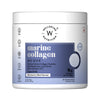
If you are someone with a sensitive immune system or you want a clean, minimalist formula, the Wellbeing Marine Collagen range is a strong option to consider. It uses hydrolyzed marine peptides that fit the ideal molecular weight window, is free from unnecessary additives, and undergoes strict purity checks. This makes it a safer choice for those who want the benefits of marine collagen without worrying about hidden triggers.
The right product should feel like an upgrade to your system, not a stressor.
When You Should Stop Immediately
Stop your collagen supplement and contact a medical professional if you experience:
-
Difficulty breathing
-
Throat swelling
-
Severe hives
-
Persistent vomiting
-
Chest tightness
These are not typical responses and require medical guidance.
Who Should Be Extra Careful
You should take extra care or consult a clinician if you:
-
Have a known fish allergy
-
Have histamine intolerance
-
Have mast cell activation tendencies
-
Are pregnant or breastfeeding
-
Have severe autoimmune conditions with active flares
Being mindful is not about fear. It is about listening to your biology intelligently.
The Takeaway
Marine collagen can transform skin, joints, hair, and overall vitality from a cellular level. Its science is strong, its absorption is superior, and the results are consistently validated across trials.
Yet, your body is unique. If you begin to notice itching, digestive changes, throat tightness, or unusual flushing, your system may be giving you early feedback. It is not a failure. It is a guide.
You are not meant to push through discomfort. You are meant to understand it.
Whether you are using marine collagen for skin and hair, or for overall well aging, the key is alignment. The right form and the right dose can support you in a safe, elevated, and cellular way.
Glow only works when your biology agrees with it.
FAQs
1. What are the most common marine collagen allergy symptoms?
The most common reactions include itching, hives, facial flushing, bloating, nausea, throat tightness, and in rare cases mild wheezing. These symptoms appear when the immune system becomes sensitive to marine peptides or trace fish proteins.
2. Can I take marine collagen if I have a fish allergy?
Caution is essential. Marine collagen comes from fish skin and scales, which can contain small allergenic proteins. Anyone with a fish allergy should consult a doctor before trying marine collagen.
3. What is the recommended marine collagen daily dose?
Most clinical studies show the best results at 8 g per day, although beginners or sensitive users can start at 4 g and gradually increase. Staying within this dose helps you avoid unnecessary digestive or immune stress.
4. Does marine collagen cause bloating or digestive issues?
Sometimes. If your gut is sensitive or if the collagen contains additives, flavors, or low purity peptides, mild bloating or cramps can occur. Switching to a clean, unflavored product such as the Wellbeing Marine Collagen range often reduces these reactions.
5. Can marine collagen help improve skin and hair even if I have sensitive skin?
Yes, but only with the right formulation. Sensitive skin often reacts to non hydrolyzed or additive heavy marine collagen. Hydrolyzed, low molecular weight peptides support collagen synthesis without overwhelming the immune system. Many people with sensitive skin prefer clean formulations which can support skin and hair benefits while minimizing irritation risk.
6. How long does it take to see results from marine collagen?
Most people see results between 6 and 12 weeks. Clinical trials report improvements like 12 percent higher moisture, 31.2% decrease in collagen fragmentation within this time frame (NIH).
7. What type of marine collagen is best for sensitive skin or allergy prone users?
Choose hydrolyzed collagen peptides with a molecular weight between 2000 and 5000 Da, free from artificial flavors and preservatives. Products that provide transparent purity testing are ideal for reducing the risk of reactions.