If you’ve ever wandered down the tea aisle or scrolled through wellness feeds, you’ve probably noticed the growing buzz around matcha. It’s everywhere, from matcha drinks at cafes to matcha ice cream in artisanal dessert shops. But how different is matcha really from your everyday green tea? Is it just a fancy trend, or does it genuinely offer more benefits? Let’s break it down and see why Japanese ceremonial grade matcha is making wellness enthusiasts sit up and take notice.
The Origins: From Plant to Cup
Both matcha and green tea come from the matcha plant, scientifically known as Camellia sinensis. However, the journey from matcha leaves to your cup is where the magic and the difference happen.
Green tea is made by steaming or pan-firing the leaves, which are then dried and steeped in hot water. You sip the infusion and leave the leaves behind. Matcha, on the other hand, is unique because it’s made from finely ground matcha leaves that are stone-ground into a vibrant green powder. This means when you drink matcha, you’re consuming the whole leaf, not just the steeped water.
This is why matcha is made of much more than just leaves. It’s the concentrated essence of the entire leaf, packed with nutrients, antioxidants, and a slightly umami matcha flavor that sets it apart from traditional green tea.
Nutritional Comparison: Matcha vs Green Tea
Here’s where matcha shines. Japanese ceremonial grade matcha contains up to 137 times more antioxidants than regular green tea. This includes catechins, particularly EGCG (epigallocatechin gallate), which is well-known for supporting heart health, metabolism, and cellular defense.
Green tea is rich in antioxidants too, though in lower concentration because you’re only steeping the leaves. Drinking green tea provides benefits like improved brain function, heart health support, and mild metabolism boost. Both drinks contain L-theanine, an amino acid that promotes calm alertness, but matcha amplifies this effect because of the whole leaf consumption.
Matcha and Green Tea Benefits
Matcha Benefits

-
Energy and focus: The combination of caffeine and L-theanine provides sustained alertness without jitters.
-
Cellular protection: High catechin content helps combat oxidative stress.
-
Metabolism support: EGCG enhances fat oxidation and helps maintain a healthy weight.
-
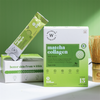
Skin and beauty: When paired with collagen, matcha with collagen powder or matcha collagen supports skin elasticity, hair strength, and joint health.
-
Immune support: Rich in polyphenols and chlorophyll, matcha helps bolster the body’s defenses.
Green Tea Benefits

-
Heart health: Regular consumption supports healthy blood pressure and cholesterol levels.
-
Brain function: Caffeine and antioxidants help improve alertness and memory.
-
Weight management: Catechins and polyphenols aid in mild fat oxidation.
-
Blood sugar regulation: Green tea may help maintain healthy blood sugar levels.
-
Hydration and wellness: A soothing beverage rich in antioxidants, contributing to overall health.
Everyday Uses
One reason matcha is making waves in wellness circles is its versatility. Of course, you can enjoy it as a traditional matcha drink whisked with hot water. But matcha’s uses go far beyond a morning cup. You’ll find it in smoothies, lattes, baked goods, and desserts like matcha ice cream.
For those looking to upgrade their daily wellness ritual, matcha with collagen or matcha with collagen powder is a popular choice. Adding collagen not only supports skin, hair, and joint health but also makes your matcha a nutrient-dense super drink.
Green tea is more limited in versatility. While it works well as a hot or iced drink and as a base for tea blends, it doesn’t integrate as seamlessly into recipes or desserts as matcha does.
The Flavor Factor
Let’s talk taste. Green tea offers a fresh, slightly grassy flavor, which can vary depending on how it’s processed. Matcha flavor, however, is richer, more complex, and slightly creamy, especially when prepared properly. Premium Japanese ceremonial grade matcha has a smooth umami note with subtle sweetness, making it a delight whether you sip it plain or whisk it into a latte.
This depth of flavor is partly why matcha has captured the attention of chefs and home cooks alike. It’s not just a health boost, it’s an experience.
In A Gist: Matcha vs Green Tea
|
Feature |
Matcha |
Green Tea |
|
Form |
Powder (whole leaf) |
Dried leaves (steeped) |
|
Antioxidants |
137x more (ceremonial grade) |
Moderate |
|
Flavor |
Umami, creamy, rich |
Grassy, light, fresh |
|
Caffeine |
Moderate to high, sustained release |
Moderate, quicker spike |
|
Uses |
Drinks, smoothies, lattes, desserts, matcha with collagen |
Steeped tea, limited recipes |
|
Nutrients |
Full leaf, higher EGCG, L-theanine, chlorophyll |
Steeped extract only |
|
Preparation |
Whisked with hot water |
Steeped |
|
Versatility |
High, matcha ice cream, baking, beauty drinks |
Moderate |
|
Key Benefits |
Energy, focus, metabolism, skin, immunity |
Heart, brain, mild weight support, blood sugar |
Choosing the Right Matcha

If you’re stepping into the matcha world, Japanese ceremonial grade matcha is the gold standard. Not only is it smooth and flavorful, but it also maximizes the matcha health benefits that people seek. Culinary-grade matcha is fine for recipes and lattes but won’t offer the same antioxidant punch or refined taste.
Everyday Rituals
Whether you choose a hot matcha drink in the morning, a refreshing iced version in the afternoon, or a matcha ice cream dessert after dinner, incorporating matcha into your routine is about more than caffeine. It’s a mindful ritual, a moment to savor vibrant flavor, and a way to nourish your body at a cellular level. Adding matcha with collagen powder elevates this experience, bridging wellness and beauty seamlessly.
Green tea remains an excellent daily beverage for hydration and mild health benefits, but for those seeking a full-spectrum antioxidant boost and culinary versatility, matcha, especially Japanese ceremonial grade, is unmatched.
Bottom Line
So, what’s the real difference between matcha and green tea? While both come from the same plant, matcha’s concentrated form, preparation, nutrient density, and flavor make it a superior choice for those looking to maximize matcha benefits. Green tea is healthy and refreshing, but matcha is a complete wellness ritual that offers energy, beauty, and immunity in one vibrant cup.
Matcha is not just a matcha drink, it’s a lifestyle. With options like matcha collagen and matcha with collagen powder, you can combine flavor, health, and beauty in every sip.
FAQs
1. How is matcha different from green tea?
Matcha is powdered whole leaf, giving you 137 times more antioxidants than regular green tea, which is steeped.
2. What are the health benefits of green tea?
Green tea supports heart and brain health, mild weight management, blood sugar regulation, and overall hydration.
3. Can matcha help with energy and focus?
Yes. L-theanine and caffeine in matcha provide sustained energy and mental clarity without jitters.
4. What is Japanese ceremonial grade matcha?
It’s the highest quality matcha, with smooth umami flavor, high antioxidants, and premium matcha health benefits.
5. Can I use matcha in recipes?
Absolutely. From matcha ice cream to smoothies and lattes, matcha is versatile. Adding matcha with collagen boosts wellness.
6. Does green tea offer similar benefits?
Yes, green tea supports heart, brain, and mild metabolism, but the antioxidant content is lower than matcha.
7. Is matcha good for skin and beauty?
Yes. Pairing matcha with collagen (matcha with collagen powder or matcha collagen) supports skin, hair, and joint health.