





In our busy, modern lives, it’s easy to overlook one of the most vital nutrients your body craves: omega-3 fatty acids. These “good fats” aren’t just another supplement fad, they’re the building blocks of glowing skin, a sharp mind, flexible joints, and a strong immune system. Yet, despite their importance, millions of people unknowingly suffer from omega-3 deficiency, a silent issue that can quietly affect your health in surprising ways.
Ever feel unusually tired, struggle with dry skin, or notice your hair and joints acting up? These could be subtle whispers from your body that something essential is missing. In this blog, we’ll dive into the key omega-3 deficiency symptoms, how to check if you’re running low, and simple ways to restore your omega-3 levels so you can feel your best again.
Why Omega-3 Matters More Than You Think
Omega-3 fatty acids are essential polyunsaturated fats that your body cannot produce on its own. They play a pivotal role in heart health, brain function, skin integrity, hormone balance, and inflammation control. Research shows that optimal omega-3 levels can help reduce the risk of chronic conditions, support mental wellness, and even slow signs of aging.
Despite these benefits, most people fall short of their required intake. Diets low in fatty fish, nuts, and seeds, combined with modern lifestyle stress, can gradually lead to omega-3 deficiency symptoms.
7 Omega-3 Deficiency Symptoms You Shouldn’t Ignore
1. Skin Irritation and Dryness

The first signs of omega-3 deficiency often show on your skin. A weakened skin barrier can lead to dryness, rough patches, and sensitivity. (NIH) Conditions like eczema or psoriasis may flare up, and minor cuts may heal more slowly. (NIH)
Studies suggest that omega-3 supplements can calm inflammation, reducing acne and supporting smoother, healthier skin. (NIH) (NIH)
2. Mental Health Changes

Low omega-3 levels can affect your mood. From irritability and mood swings to mild depression, omega-3 fatty acid deficiency symptoms in the brain can disrupt neurotransmitter function, impacting emotional and cognitive health. (NIH) Clinical studies involving over 2,100 people show that supplementing with omega-3s can help ease depressive symptoms and improve mental clarity. (NIH)
3. Dry Eyes

Omega-3s support tear production and maintain eye moisture. (NIH) If your eyes feel dry, itchy, or red, especially after long hours in front of screens, it could be a sign of omega-3 deficiency. (NIH) Research shows that omega-3 supplements can improve tear production and relieve dry eye discomfort. (NIH) (NIH)
4. Joint Pain and Stiffness

Thanks to natural anti-inflammatory properties of omega-3s that protect your joints. A lack of them may result in stiffness, morning joint pain, or slower recovery post-exercise. Studies indicate that omega-3 supplements can ease joint pain, improve grip strength, and support conditions like rheumatoid arthritis. (NIH) (NIH) (NIH)
5. Hair Changes

Hair health reflects your internal nutrition. Omega-3 deficiency can cause hair to look dull, brittle, or thin. Omega-3s nourish hair follicles and scalp circulation, helping maintain thicker, healthier strands. Research shows those who had taken omega 3 supplement experienced reduced hair loss and increased hair density compared with others. (NIH)
6. Frequent Colds or Flu Symptoms

Omega-3s play a key role in immune function. Low levels can leave you more vulnerable to colds, flu, and recurrent infections. Regular intake of omega-3 supplements can reduce inflammation and support immune resilience. (NIH) . Studies found adequate omega 3 intake may even benefit those with moderate COVID-19. (NIH)
7. Slow Wound Healing

Slow healing and increased inflammation-related issues may also point to omega-3 fatty acid deficiency symptoms. Ensuring adequate intake helps your body repair tissues efficiently. Research studies show Omega-3s (EPA & DHA) may help speed up wound healing by supporting the body’s natural repair process. (NIH)
How to Confirm an Omega-3 Deficiency
If these signs resonate with you, don’t self-diagnose. A healthcare professional can confirm omega-3 deficiency through a blood test measuring your omega-3 index, a reliable indicator of long-term levels. This simple test measures the percentage of omega-3 fatty acids in your red blood cells. (NIH)
How to Boost Your Omega-3 Levels
1. Optimize Your Diet

Incorporate omega-3-rich foods: fatty fish like salmon, mackerel, sardines, or trout at least twice a week. Plant sources such as flaxseeds, chia seeds, and walnuts provide ALA, which your body partially converts to EPA and DHA, the more bioavailable omega-3 forms.
2. Supplement Smartly

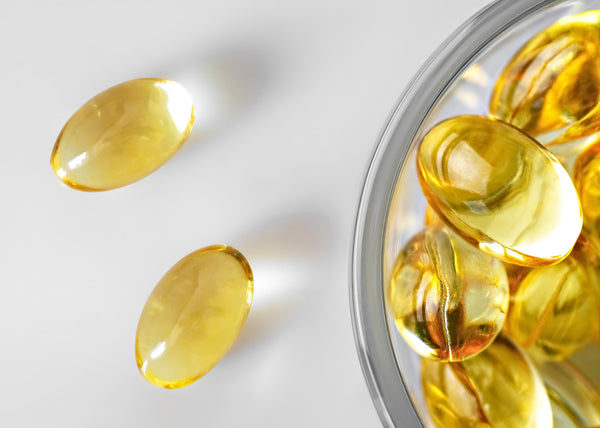
Diet alone may not always suffice. A high-quality Omega 3 supplement can bridge the gap. Look for clean, sustainably sourced EPA and DHA, free from contaminants.
-
Omega 3 Fish Oil – Wellbeing Nutrition
Offers high-strength EPA and DHA in natural triglyceride form, which is 1.7x more bioavailable than ethyl ester forms.
-
Multivitamin with Omega 3 for Women – Wellbeing Nutrition Multi + Omega for Her
Combines essential vitamins with omega-3 to support hormonal balance, radiant skin, and vitality.
-
Multivitamin with Omega 3 for Men – Wellbeing Nutrition Multi + Omega for Him
Supports energy, heart health, and cognitive function.
-
Multivitamin with Omega Capsules for 50 Plus – Wellbeing Nutrition Multi + Omega 50+
Tailored for adults over 50 to support joint flexibility, cardiovascular wellness, and immunity.
These targeted formulas ensure you’re addressing omega-3 deficiency symptoms while covering other vital nutrients your body needs.
3. Stay Consistent

Consistency is key. Take your omega-3 supplement daily with meals to improve absorption. Pair supplementation with a balanced lifestyle, including hydration, stress management, and regular exercise, to maximize results.
Key Takeaway
Omega-3 deficiency is more common than you might think. Symptoms from dry skin and hair changes to fatigue and joint stiffness don’t have to be your new normal. Recognizing early warning signs, confirming your levels, and taking proactive steps with diet and supplements can restore balance and help you feel your best.
Premium Omega 3 supplements or a Multivitamin with Omega 3 for Women, Multivitamin with Omega 3 for Men, or Multivitamin with Omega Capsules for 50+ can bridge nutritional gaps and unlock the full omega-3 benefits your body deserves.

Recommended Products
 3x Strength Omega 3 Fish Oil
₹854 – ₹1,618
3x Strength Omega 3 Fish Oil
₹854 – ₹1,618
 4x Strength Omega 3 Fish Oil
₹1,329 – ₹2,518
4x Strength Omega 3 Fish Oil
₹1,329 – ₹2,518
 6x Strength Omega 3 Fish Oil
₹1,709 – ₹3,418
6x Strength Omega 3 Fish Oil
₹1,709 – ₹3,418
 Multi + Omega 50+ Slow
₹1,329 – ₹2,518
Multi + Omega 50+ Slow
₹1,329 – ₹2,518
 Multi + Omega for Her Slow
₹1,329 – ₹2,518
Multi + Omega for Her Slow
₹1,329 – ₹2,518
 Multi + Omega for Him Slow
₹1,329 – ₹2,518
Multi + Omega for Him Slow
₹1,329 – ₹2,518









 DOWNLOAD NOW

