Omega‑3 fatty acids are often associated with fish, but here’s the truth: a well‑planned vegetarian diet can still deliver meaningful omega‑3s, if you know where to look. For vegetarians juggling busy lifestyles, brain fog, hormonal imbalances, joint stiffness, or heart concerns, omega‑3 intake often falls short without them even realising it.
This is where omega 3 foods, smart cooking, and the right omega 3 supplements come together.
In this blog, we’ll explore 5 delicious omega 3 rich foods veg recipes, explain the science behind plant‑based omega‑3s, and show you why food alone may not always be enough, making targeted supplementation an added advantage.
Why Omega‑3 Matters
Omega‑3 fatty acids, ALA, EPA, and DHA, are essential fats that support:
-
Brain function and mental clarity: DHA in omega-3s supports neuron communication, improving focus, memory, and mood (NIH).
-
Heart and metabolic health: Omega-3s help regulate triglycerides, support blood vessels, and improve metabolic balance (NIH).
-
Hormonal balance: They aid hormone production and reduce inflammation, supporting menstrual and stress hormone health (NIH).
-
Joint mobility and inflammation control: Omega-3s lower inflammatory compounds, easing joint stiffness and discomfort (NIH).
-
Skin barrier and cellular repair: They strengthen the skin barrier and support cell repair for healthier, more resilient skin (NIH).
Together, these benefits make omega‑3s a non‑negotiable part of a balanced vegetarian diet. By choosing the right omega 3 foods, from seeds and nuts to plant oils, you can meaningfully support daily brain, heart, joint, and skin health.
The recipes below focus on practical, flavour‑forward ways to include omega 3 rich vegetarian food options into everyday meals, making consistency easier and nutrition more enjoyable.
Recipe 1: Chia Seed & Walnut Breakfast Pudding

Chia seeds and walnuts are classic omega 3 vegetarian staples, packed with ALA and fibre.
Ingredients:
-
2 tbsp chia seeds
-
1 cup unsweetened almond milk
-
1 tbsp crushed walnuts
-
½ tsp cinnamon
-
Fresh berries (optional)
How to make: Mix all ingredients, refrigerate overnight, and enjoy in the morning.
Beyond omega‑3s, this pudding supports gut health through soluble fibre and helps stabilise blood sugar, both important for reducing inflammation (NIH). While this recipe is rich in ALA, it doesn’t supply EPA or DHA, the biologically active forms your brain and heart rely on most, highlighting the importance of variety across the day.
Recipe 2: Flaxseed Vegetable Paratha

Flaxseeds are one of the most concentrated omega 3 foods available in a vegetarian diet.
Ingredients:
-
Whole wheat flour
-
1 tbsp ground flaxseed per paratha
-
Finely chopped spinach
-
Turmeric, cumin, salt
How to make: Knead flaxseed into the dough, roll, and cook on a tawa with minimal oil.
Grinding flaxseed improves absorption and ensures better utilisation of ALA (NIH). However, conversion to DHA remains limited, especially in individuals with insulin resistance, high stress levels, or micronutrient deficiencies, factors that are increasingly common in modern lifestyles.
Recipe 3: Avocado & Hemp Seed Power Salad

Hemp seeds offer a favourable omega‑6 to omega‑3 ratio, something most modern diets lack.
Ingredients:
-
Mixed greens
-
½ avocado, sliced
-
1 tbsp hemp seeds
-
Lemon‑olive oil dressing
How to make: Toss everything together and serve fresh.
This salad supports fat balance and micronutrient intake, helping reduce systemic inflammation (NIH). However, while balancing omega‑6 and omega‑3 intake is beneficial, conversion of plant‑based ALA to DHA still remains inefficient, reinforcing the need for a broader omega‑3 strategy.
Recipe 4: Moringa & Pumpkin Seed Chutney

Moringa leaves add antioxidants, while pumpkin seeds contribute supportive fats and minerals that aid omega‑3 metabolism.
Ingredients:
-
Fresh moringa leaves
-
2 tbsp pumpkin seeds
-
Garlic, green chilli, lemon
How to make: Blend into a thick chutney and pair with meals.
This recipe supports enzymatic conversion of ALA and enhances overall nutrient density, but like most plant‑based options, it still doesn’t directly provide DHA (NIH).
Recipe 5: Millet Bowl with Perilla Oil Drizzle

Perilla oil is one of the richest plant‑based omega 3 sources.
Ingredients:
-
Cooked foxtail millet
-
Steamed vegetables
-
1 tsp perilla oil (added raw)
How to make: Place cooked millet and steamed vegetables in a bowl, drizzle with perilla oil, and serve immediately.
Perilla oil should always be added after cooking. Never heat omega‑3‑rich oils, as they oxidise easily and lose benefits. This bowl works well as a light dinner or recovery meal, supporting satiety and fat quality without heaviness.
Why Food Isn’t Always Enough
Even with the best omega 3 rich foods veg diet:
-
Conversion of ALA → EPA/DHA is biologically limited
-
Stress, age, poor gut health reduce conversion further
-
Modern inflammation increases omega‑3 demand
This is why studies consistently show that vegetarians often have lower DHA levels, even with high ALA intake.
Completing the Omega‑3 Equation

This is where high‑quality omega 3 supplements become essential, not as a replacement for food, but as a physiological safety net.
Wellbeing Nutrition’s Omega‑3 range is designed to:
-
Deliver clinically effective EPA & DHA
-
Support heart, brain, joint, and skin health
-
Meet higher needs during stress, ageing, or recovery
-
Ensure purity, bioavailability, and optimal absorption
When combined with a plant‑rich diet, supplementation bridges the nutritional gap that food alone cannot fill.
Conclusion
A vegetarian diet can absolutely include powerful omega 3 foods, but biology sets limits on how much your body can actually use.
By pairing omega 3 vegetarian recipes with science‑backed omega 3 supplements, you don’t just meet the requirement, you optimise it. Because true wellness isn’t about eating more, it’s about absorbing better.
FAQs
1. What are the best omega 3 foods for vegetarians?
The best omega 3 foods for vegetarians include chia seeds, flaxseeds, hemp seeds, walnuts, perilla oil, pumpkin seeds, and leafy greens like moringa.
2. Can vegetarians get enough omega-3 from plant-based foods?
Yes, vegetarians can get ALA, a type of omega-3, from plant-based foods, but conversion to DHA and EPA is limited, making variety and consistency important.
3. Which seeds are richest in omega 3 for vegetarians?
Chia seeds, flaxseeds, hemp seeds, and pumpkin seeds are top omega 3 rich foods veg, offering high ALA content per serving.
4. How do omega 3 supplements help vegetarians?
Omega 3 supplements provide direct EPA and DHA, bridging gaps that plant-based sources alone may not fully meet, supporting brain, heart, joint, and skin health.
5. Can omega 3 improve brain function and focus?
Yes, DHA, a key omega-3, strengthens neuron communication, enhancing memory, mental clarity, and overall cognitive function.
6. Are perilla oil and walnuts effective omega 3 vegetarian sources?
Absolutely, perilla oil and walnuts are potent omega 3 vegetarian sources, helping improve fat balance and reduce inflammation.
7. How can I include omega 3 foods in daily vegetarian meals?
Simple ways include adding chia seed pudding for breakfast, flaxseed parathas for lunch, hemp seed salads, moringa chutney, and a millet bowl with raw perilla oil for dinner.

Recommended Products
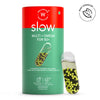 Multi + Omega 50+ Slow
₹1,357 – ₹2,658
Multi + Omega 50+ Slow
₹1,357 – ₹2,658
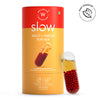 Multi + Omega for Her Slow
₹1,357 – ₹2,658
Multi + Omega for Her Slow
₹1,357 – ₹2,658
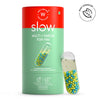 Multi + Omega for Him Slow
₹1,357 – ₹2,658
Multi + Omega for Him Slow
₹1,357 – ₹2,658
 4x Strength Omega 3 Fish Oil
₹1,274
4x Strength Omega 3 Fish Oil
₹1,274
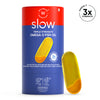 3x Strength Omega 3 Fish Oil
₹1,199
3x Strength Omega 3 Fish Oil
₹1,199
 6x Strength Omega 3 Fish Oil
₹1,939 – ₹3,798
6x Strength Omega 3 Fish Oil
₹1,939 – ₹3,798