Diabetes doesn’t begin with sugar alone, it begins with metabolic imbalance. Blood glucose spikes, insulin resistance, fatigue, muscle loss, cravings, and slow recovery often coexist quietly. While carbohydrates usually get all the attention, there’s another macronutrient that plays a far more stabilizing role in diabetes management than most people realize and that is protein.
Yet questions remain everywhere: Is protein for diabetics safe? Is protein powder good for diabetics? Can diabetics take whey protein, or does it spike sugar? Let’s break the myths, unpack the science, and help you make confident, informed choices.
Why Protein Matters More in Diabetes
Protein is not just about muscles or gym routines. Protein for diabetic patient is a metabolic anchor.
Here’s why protein plays a critical role in diabetes:
-
Slows glucose absorption, reducing post-meal sugar spikes
Protein slows gastric emptying and the digestion of carbohydrates, which leads to a more gradual release of glucose into the bloodstream. This helps prevent sudden post-meal sugar spikes and supports steadier energy levels (NIH).
-
Improves insulin sensitivity by supporting lean muscle mass
Lean muscle tissue uses glucose more efficiently, reducing insulin resistance over time. Adequate protein intake helps preserve and build muscle, making the body more responsive to insulin (NIH).
-
Enhances satiety, helping curb cravings and overeating
Protein activates satiety hormones that signal fullness to the brain for longer periods. This reduces frequent hunger, mindless snacking, and cravings for high-sugar foods (NIH).
-
Prevents muscle loss, a common but overlooked issue in diabetes
People with diabetes are more prone to muscle breakdown due to metabolic stress and poor glucose utilization. Protein provides essential amino acids that protect muscle tissue and support strength and mobility (NIH).
-
Supports metabolic repair, especially in long-term insulin resistance
Protein supplies the building blocks needed for cellular repair and enzyme function. Over time, this supports healthier metabolic pathways and improved glucose regulation (NIH).
Scientific studies show that meals higher in protein lead to lower postprandial glucose levels compared to high-carbohydrate meals, even when calories are matched. Simply put, protein helps the body respond better to glucose rather than fight it.
How Much Protein is Enough for Diabetics?
Protein needs vary based on age, activity level, and metabolic health, but general guidelines suggest (NIH):
-
0.8–1.2 g of protein per kg body weight per day for most diabetics
-
Higher needs for older adults, active individuals, or those losing muscle mass
Spacing protein intake evenly across meals matters more than consuming it all at once. This helps stabilize blood sugar throughout the day and improves insulin response (NIH). For many people, meeting daily protein needs through food alone is challenging, which brings us to supplements.
Can Diabetic Patient Take Protein Powder?

The short answer is yes, with the right choice of protein. The real question isn’t whether a diabetic patient can take protein powder, but which protein powder supports blood sugar control instead of disrupting it.
A high-quality diabetic protein powder can:
-
Improve meal balance
-
Reduce carb load
-
Support muscle preservation
-
Prevent sugar crashes between meals
However, not all protein powders are same. Many commercial options contain hidden sugars, maltodextrin, artificial sweeteners, or poor-quality protein sources, all problematic for diabetes. So, the science lies in the type of protein.
Diabetics and Whey Protein
Multiple clinical studies have shown that whey protein can actually lower post-meal blood glucose when taken before or alongside meals.
Why whey protein works for diabetics (NIH):
-
Stimulates insulin secretion in a controlled manner
Whey protein gently stimulates insulin release without causing sudden glucose spikes. This controlled response helps move glucose into cells more efficiently after meals.
-
Enhances GLP-1 hormone release (improves glucose handling)
Whey protein increases GLP-1 secretion, a hormone that improves insulin response and reduces appetite. This leads to better post-meal glucose control and prolonged satiety.
-
Slows gastric emptying, preventing sugar spikes
By slowing how quickly food leaves the stomach, whey protein delays carbohydrate absorption. This results in a smoother rise in blood sugar rather than sharp spikes.
-
Supports muscle mass, improving insulin sensitivity
Whey protein provides highly bioavailable amino acids that support muscle maintenance and repair. Greater muscle mass enhances glucose uptake, improving overall insulin sensitivity.
This makes whey protein for diabetics one of the most researched and effective protein options, when it’s clean and properly formulated.
Choose whey protein that is:
-
Low-carb and low-lactose
-
Free from added sugar and artificial sweeteners
-
Derived from high-quality milk sources
-
Easy to digest (isolate or hydrolysate forms are often better tolerated)
Avoid mass-market “muscle gainers”, these often spike insulin unnecessarily and defeat the purpose.
Plant Protein Powder for Diabetes
Plant protein powder can be an excellent alternative, especially for those who are lactose-intolerant or prefer plant-based nutrition.
Benefits of plant protein for diabetics include (NIH):
-
Lower insulin stimulation compared to some animal proteins
Plant proteins tend to produce a gentler insulin response, helping avoid sharp hormonal fluctuations. This makes blood sugar management more predictable for people with diabetes.
-
Added fibre that slows glucose absorption
Many plant protein sources naturally contain fibre, which delays carbohydrate digestion and glucose release. This results in steadier blood sugar levels and improved post-meal control.
-
Anti-inflammatory phytonutrients
Plant proteins provide bioactive compounds and phytonutrients that help reduce chronic inflammation linked to insulin resistance. Lower inflammation supports healthier metabolic function over time.
-
Better gut tolerance for sensitive individuals
Plant protein powders are often easier to digest, especially for those sensitive to lactose or dairy. Improved gut tolerance can enhance nutrient absorption and overall metabolic comfort.
However, plant proteins are often incomplete on their own. The best formulations combine multiple plant sources (pea, brown rice, pumpkin seed) to ensure a full amino acid profile. A high-quality plant protein powder can support blood sugar balance just as effectively when formulated thoughtfully.
Protein Powder Timings
Timing matters almost as much as type. Best times to use protein powder for diabetics:
-
With breakfast to blunt morning glucose spikes
-
Between meals to prevent sugar crashes
-
Post-exercise to improve insulin sensitivity
-
With carb-containing meals to slow glucose absorption
Avoid consuming protein powders late at night if digestion feels heavy as metabolic calm is the goal.
Choosing the Right Protein Powder
When selecting a protein powder, prioritize:
-
Minimal ingredients
-
No added sugars
-
Transparent protein source
-
Digestibility
-
Clinically backed formulation
Whether you choose whey protein, plant protein powder, or a blend, the goal remains the same: blood sugar stability with nutritional integrity.
Final Takeaway
Diabetes management isn’t about restriction; it’s about intelligent nourishment. Protein helps stabilize glucose, protect muscle, improve insulin sensitivity, and restore metabolic confidence. When chosen correctly protein for diabetics becomes a daily ally rather than a dietary question mark.
Whether you’re asking can diabetic patient take protein powder, is protein powder good for diabetics, or can diabetics take whey protein, the answer is clear: Yes, when science leads the choice, not trends. Because managing diabetes isn’t about eating less, it’s about eating smarter.
FAQs
1. Is protein for diabetics safe to consume daily?
Yes, protein for diabetics is safe and essential when consumed in appropriate amounts. It helps stabilize blood sugar levels, improve insulin sensitivity, and support overall metabolic health.
2. How much protein does a diabetic patient need per day?
A protein needs for a diabetic patient is around 0.8–1.2 g of protein per kg of body weight per day. The exact requirement depends on age, activity level, muscle mass, and metabolic health.
3. Can diabetic patient take protein powder every day?
Yes, a diabetic patient can take protein powder daily if it is clean, low in sugar, and well-formulated. A high-quality diabetic protein powder can help meet daily protein needs without spiking blood sugar.
4. Is protein powder good for diabetics or does it increase blood sugar?
Yes, when it is free from added sugars and refined carbs. Pure protein has minimal impact on blood glucose and can actually help reduce post-meal sugar spikes.
5. Can diabetics take whey protein safely?
Yes, diabetics can take whey protein, as it is strongly supported by research. Whey protein improves insulin response, reduce post-meal glucose levels, and support muscle health when taken correctly.
6. What is the best type of protein powder for diabetes: whey or plant protein powder?
Both whey protein and plant protein powder can work well for diabetes. Whey offers fast absorption and strong insulin support, while plant protein powder provides fibre and gentler glucose responses.
7. When is the best time for diabetics to consume protein powder?
The best times are with breakfast, between meals, post-exercise, or alongside carb-containing meals. Proper timing helps protein work as a blood sugar–stabilizing nutrient rather than just a supplement.

Recommended Products
 Whey Protein Concentrate 27g | 1kg | 4B CFU Probiotics | Unflavoured
₹4,749 – ₹9,498
Whey Protein Concentrate 27g | 1kg | 4B CFU Probiotics | Unflavoured
₹4,749 – ₹9,498
 Whey Protein Isolate + Concentrate 24g | 1kg | 4B CFU Probiotics | Mango Flavoured
₹6,174 – ₹12,348
Whey Protein Isolate + Concentrate 24g | 1kg | 4B CFU Probiotics | Mango Flavoured
₹6,174 – ₹12,348
 Whey Protein Isolate + Concentrate 24g | 1kg | 4B CFU Probiotics | Swiss Chocolate
₹6,174 – ₹12,348
Whey Protein Isolate + Concentrate 24g | 1kg | 4B CFU Probiotics | Swiss Chocolate
₹6,174 – ₹12,348
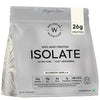 Whey Protein Isolate 26g | 1kg | 4B CFU Probiotics | Bourbon Vanilla
₹7,599 – ₹15,199
Whey Protein Isolate 26g | 1kg | 4B CFU Probiotics | Bourbon Vanilla
₹7,599 – ₹15,199
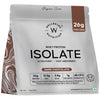 Whey Protein Isolate 26g | 1kg | 4B CFU Probiotics | Dark Chocolate
₹7,599 – ₹14,724
Whey Protein Isolate 26g | 1kg | 4B CFU Probiotics | Dark Chocolate
₹7,599 – ₹14,724
 Whey Protein Isolate 26g | 2kg | 4B CFU Probiotics | Dark Chocolate
₹14,724 – ₹29,448
Whey Protein Isolate 26g | 2kg | 4B CFU Probiotics | Dark Chocolate
₹14,724 – ₹29,448
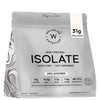 Whey Protein Isolate 31g | 1kg | 4B CFU Probiotics | Unflavoured
₹7,599 – ₹14,724
Whey Protein Isolate 31g | 1kg | 4B CFU Probiotics | Unflavoured
₹7,599 – ₹14,724
 Whey Protein Isolate 31g | 2kg | 4B CFU Probiotics | Unflavoured
₹14,724 – ₹29,448
Whey Protein Isolate 31g | 2kg | 4B CFU Probiotics | Unflavoured
₹14,724 – ₹29,448
 Diabetes Care Slow
₹1,357 – ₹2,658
Diabetes Care Slow
₹1,357 – ₹2,658