You remember the compliments. “Your skin looks brighter!” “What’s your secret?”
It’s Glutathione that gave you radiant, even-toned glow. It fought pigmentation, shielded your skin from oxidative stress, and gave your energy a lift.
But then life got in the way, maybe a busy schedule, missed orders, or simply the decision to pause. Slowly, the glow dulled. Pigmentation crept back. Energy levels dipped.
This is the story no one tells you: the glow doesn’t last forever if you stop feeding it.
So, what really happens when you stop? And more importantly, how do you keep those results from slipping away? Let’s break it down.
Why We Take Glutathione in the First Place 🌱
Glutathione isn’t just another antioxidant, it’s called the “master antioxidant” because it powers so many vital processes. Here’s why it’s central to both your health and your glow:
-
Master Antioxidant Defense → Neutralizes free radicals before they damage skin cells. Studies show low glutathione levels correlate with higher oxidative stress markers and faster cellular aging. This defense system protects against DNA damage that underlies dullness, pigmentation, and premature wrinkles. (NIH)
-
Skin Brightening & Pigmentation Control → Reduces melanin activity, giving you a lighter, even-toned glow. Clinical studies have confirmed Glutathione Benefits for Skin, showing visible decreases in dark spots and improved luminosity within weeks. (NIH)
-
Detox & Liver Health → Flushes toxins, alcohol, and heavy metals. Chronic alcohol intake alone has been shown to reduce glutathione in the lungs and liver by up to 80%, leaving the body more vulnerable to oxidative stress.(NIH)
-
Stronger Immunity → Keeps immune cells active and responsive. Research shows glutathione depletion weakens T-cell function, directly impacting your body’s ability to fight infections. (NIH)
-
Energy & Metabolism → Protects mitochondria (your cell’s powerhouses) for better energy. When glutathione levels are steady, mitochondrial efficiency improves, reducing fatigue and improving overall stamina. (NIH)
This is why Glutathione is often described as a “control molecule” for your health and beauty. When it’s strong, everything else works better.
What Happens When You Stop Taking Glutathione ❌
The challenge with glutathione is that the body does not store it for long. With a short half-life, your levels can drop within hours if they are not replenished. Daily stressors such as UV exposure, pollution, alcohol, and processed foods further accelerate this depletion, quickly pushing your body into a deficit.
So, when supplementation stops, here’s what really happens:
Skin dullness returns

Without a steady supply of glutathione, oxidative stress takes the upper hand. UV radiation, pollution, and free radicals start attacking your skin cells unchecked. Over time, collagen fibers break down faster, hydration weakens, and that healthy glow slowly fades.
In one clinical trial, daily Glutathione Tablets significantly brightened skin by 30–35%, but once supplementation stopped, levels started sliding back to baseline within weeks (NIH).
Pigmentation resurfaces

Tyrosinase, the enzyme responsible for melanin production, gets reactivated when glutathione levels drop. This means dark spots, uneven tone, and blemishes may start to creep back within weeks.
A double-blind study found dark spots improved with glutathione + cystine by 77% in 12 weeks, but these benefits faded after supplementation ended (NIH).
Detox slows down

Your liver depends on glutathione to neutralize toxins, alcohol, and even heavy metals. Without it, the detox process slows dramatically.
Research shows alcohol and environmental pollutants can deplete glutathione stores in these organs by 86%, making them less efficient when you pause supplementation (NIH). That’s why you may feel more bloated, sluggish, or prone to hangovers when your reserves drop.
Fatigue increases

With glutathione gone, mitochondria face oxidative stress directly. Over time, this weakens energy production and metabolism. Studies show loss of glutathione results in ~50% decrease in mitochondrial energy production. (NIH)
👉 In short, pausing glutathione supplementation is like lowering your shield in the middle of a storm. You don’t notice it immediately, but day by day, dullness, pigmentation, and fatigue quietly creep back in.
How to Maintain Results If You Stop ✨
Even if you pause supplementation, you can still protect your skin and energy by being intentional with daily habits. The goal is not just to replace what’s missing but to create a lifestyle that keeps your defenses switched on daily.
1. Eat Glutathione-Boosting Foods 🥦

Spinach, broccoli, avocados, garlic, and citrus fruits are natural sources of glutathione or its building blocks like cysteine and Vitamin C. Regular intake helps your body regenerate stores naturally.
To keep those defenses steady, adding supplements with NAC and glycine in a slow-release formulation can be highly effective, as NAC supplies cysteine while glycine supports detox and collagen production — helping your body rebuild glutathione more efficiently.
2. Prioritize Detox Habits 🌿

Stay hydrated with at least 8–10 glasses/day, and limit alcohol and processed foods. But even with the cleanest lifestyle, your body still battles hidden oxidative stress from pollution, late nights, and everyday metabolic processes. That’s where extra support makes a real difference.
To make this easier, add supergreens like spirulina, moringa, and chlorophyll supplements, which help your system manage oxidative stress even when natural glutathione dips.
3. Manage Lifestyle Stressors 😴

Sleep well, exercise moderately, and give your body downtime. Chronic stress drains antioxidants faster than anything else, leaving your skin and energy vulnerable. Protecting your body means giving it both rest and the right reinforcements.
If you’re looking for an extra layer of skin defense while balancing lifestyle changes, add formulations with Korean collagen peptides, resveratrol, goji berry, grape seed extract, and melon fruit concentrate. These support skin structure, hydration, and resilience. Over time, they help replenish collagen loss, keeping skin firmer and smoother despite stress.
4. Build an Antioxidant Stack 💊

Glutathione doesn’t work alone, it recycles with Vitamin C, Vitamin E, selenium, and alpha-lipoic acid. By stacking these nutrients through diet (citrus, nuts, whole grains) or supplements, you strengthen the network that keeps glutathione active longer.
Adding ingredients such as Evening Primrose Oil, Biotin, Hyaluronic Acid, and Curcumin in a slow-release formula extends glutathione’s action throughout the day.
The Bottom Line
Glutathione is powerful, but it isn’t permanent. Stop supplementing, and your defenses fade skin dullness creeps back, detox slows, and energy di skin dullness creeps back, detox slows, and energy dips. But the story doesn’t have to end there.
By eating glutathione-rich foods, managing stress, and using supportive formulas, you can keep your glow alive, even during supplementation breaks.
Because when glutathione thrives, so does your skin, your energy, and your overall resilience.
FAQs
1. What happens when you stop taking glutathione?
When you stop taking glutathione, your body’s antioxidant defenses drop quickly due to its short half-life. Skin dullness may return, pigmentation can resurface, detox slows down, and energy levels often dip as mitochondrial function is affected.
2. How quickly does the effect of glutathione wear off after stopping?
Glutathione levels can decline within days after stopping supplementation. Clinical studies show skin brightness and pigmentation benefits start reverting to baseline within weeks if supplementation is paused.
3. What are the best glutathione tablets for skin whitening?
The best glutathione tablets for skin whitening are those with high bioavailability, slow-release formulations, and added cofactors like Vitamin C, NAC, or glycine. These enhance absorption and prolong the antioxidant’s action for improved skin radiance.
4. Can I maintain glutathione benefits for skin naturally?
Yes. Eating glutathione-rich foods such as spinach, broccoli, garlic, and citrus fruits can help maintain your skin glow naturally. Pairing these with a nutrient-rich lifestyle supports your body’s ability to regenerate glutathione.
5. What are glutathione benefits for skin?
Glutathione reduces melanin activity, protects against oxidative stress, improves skin hydration, and supports even tone. Regular supplementation or a glutathione-rich diet can decrease dark spots and enhance overall skin radiance.
6. How to take glutathione for maximum results?
Glutathione is most effective when taken consistently, ideally with cofactors like Vitamin C and cysteine for better absorption. Slow-release tablets or formulations that include supportive nutrients can prolong its benefits throughout the day.
7. Will stopping glutathione affect energy and immunity?
Yes. Glutathione supports mitochondrial function and immune cell activity. Pausing supplementation can lead to increased fatigue and slightly weakened immunity, as oxidative stress impacts both energy production and immune defenses.

Recommended Products
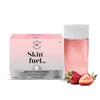 Glutathione Skin Fuel Pro+ Strawberry Flavour
₹1,044 – ₹5,803
Glutathione Skin Fuel Pro+ Strawberry Flavour
₹1,044 – ₹5,803
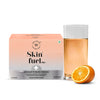 Glutathione Skin Fuel Pro+ Valencia Orange Flavour
₹879 – ₹5,275
Glutathione Skin Fuel Pro+ Valencia Orange Flavour
₹879 – ₹5,275
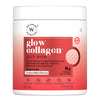 Glow Korean Marine Collagen Peptides with Liposomal Glutathione & Vitamin C | Tropical Bliss Flavour | 250g
₹1,939 – ₹7,196
Glow Korean Marine Collagen Peptides with Liposomal Glutathione & Vitamin C | Tropical Bliss Flavour | 250g
₹1,939 – ₹7,196
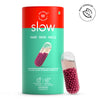 Hair, Skin & Nails Slow
₹1,357 – ₹2,658
Hair, Skin & Nails Slow
₹1,357 – ₹2,658