The change begins quietly.
Your skin still looks fine, but your foundation settles differently. Hydration fades faster. The bounce you once took for granted begins to soften.
Behind that subtle shift is collagen, the most abundant protein in your skin, quietly declining.
After your mid-20s, collagen production dips by nearly 1% every year (NIH), weakening the structure that keeps skin firm, plump, and radiant.
Topical creams can hydrate the surface. But true rebuilding happens beneath, within the dermal matrix and that’s where collagen supplementation makes a real difference.
But with so many options, marine collagen, bovine, hydrolyzed, or vegan collagen, how do you know which collagen is best for skin?
Let’s decode the science behind collagen, explore its types, and uncover what is the best form of collagen to take for visible results.
Collagen 101: Your Skin’s Invisible Architecture

Think of collagen as scaffolding it holds your skin together, defines firmness, elasticity, and smoothness.
When collagen levels decline, fibroblasts (your skin’s builders) slow down, leading to fine lines, dryness, and loss of elasticity.
That’s where collagen supplements come in. Hydrolyzed into smaller peptides, they’re designed for better absorption and biological signaling.
Once consumed, these peptides break down into bioactive fragments such as hydroxyproline-glycine, which enter the bloodstream and signal fibroblasts to make more collagen, elastin, and hyaluronic acid.
Clinical studies show just how measurable the change can be:
-
12% increase in skin moisture in 8 weeks(NIH)
-
17.8% reduction in collagen fragmentation in 4 weeks (NIH)
-
20% improvement in elasticity in 6 weeks (NIH)
-
35% reduction in wrinkle score in 12 weeks (NIH)
Understanding Collagen Types: The Blueprint of Youth
If collagen were a fabric, it would be the one holding your body together from skin and hair to joints and vessels.
There are over 28 types of collagens, but only a few directly impact skin health and beauty.
Let’s look at the key ones:
Type I: The Skin Sculptor
The most abundant collagen in the human body, nearly 90% of skin, hair, and nails. It gives your skin its structure and firmness. As Type I declines, wrinkles appear, and skin starts to sag.
Type II: The Joint Protector
Mostly found in cartilage, this type cushions joints and improves mobility. It’s more about movement than glow but essential for overall resilience.
Type III: The Elasticity Enhancer
Found alongside Type I, this type keeps skin supple and resilient. It’s abundant in young skin and vital for elasticity and firmness.
Type IV: The Foundation Layer
This collagen forms the “basement membrane” beneath your skin, anchoring and filtering cells while supporting nutrient flow.
Type V: The Hair & Nail Strengthener
Though less abundant, it supports hair follicles, nails, and microfiber alignment, enhancing that luminous, healthy skin finish.
✨ Takeaway: For youthful, firm, and radiant skin, Type I and Type III collagen are your go-to, they’re the key players behind collagen for skin elasticity and strength.
The Sources: What Sets Each Collagen Type Apart
Every collagen source tells a different story. Some restore skin firmness, others support joints and recovery. The difference lies in bioavailability, how easily your body absorbs and uses it.
Let’s break it down.
1. Bovine Collagen
Sourced from cow hide or bones, bovine collagen provides Type I and III, the same ones your skin naturally relies on.
A clinical study showed that 5 g daily for 12 weeks led to an 18% improvement in elasticity and 28% higher hydration (NIH)
However, its peptide size (3,000–5,000 Da) makes absorption slower than marine collagen. Ideal for those seeking both beauty and joint benefits.
2. Porcine Collagen
Derived from pig skin, porcine collagen is structurally similar to human collagen, making it excellent for wound repair and dermal integrity.
In a study, participants saw a reduction water loss by up to 73% (NIH).
Due to cultural preferences and slower absorption, porcine collagen is more common in medical applications than beauty supplements.
3. Marine Collagen
Extracted from fish skin and scales, marine collagen is the most bioavailable form thanks to its tiny peptide size (~2,000 Daltons). It primarily contains Type I collagen, the type your skin needs most.
Once ingested, it’s rapidly absorbed and signals fibroblasts to produce more collagen and elastin.
A landmark study found that 12 weeks of daily marine collagen:
-
Increased hydration by 12%
-
Reduced collagen fragmentation by 31% (NIH)
✨ Simply put: Marine collagen benefits go beyond glow, it helps your skin rebuild its structure from within.
4. Vegan Collagen Builder (Plant-Based)
Plants can’t produce collagen, but vegan collagen blends can help your body create it.
These formulas include vitamin C, zinc, copper, silica, and amino acids like glycine, lysine, and proline, all crucial for fibroblast activation and collagen synthesis.
A study found that consistent intake of vegan collagen builders led to a 51% reduction in fine lines and wrinkles among vegan participants (NIH).
For those following a plant-based lifestyle, vegan collagen builders offer a sustainable way to boost skin strength and hydration, though results appear more gradually than marine collagen.
Collagen Formats: What’s Inside Your Supplement Matters
Beyond source and type, the format of collagen determines how well it’s absorbed and utilized.
1. Hydrolyzed Collagen Peptides
The gold standard, enzymatically broken down into small peptides (~2,000 Da) for superior absorption. Easily mixes into liquids and reaches the dermis within hours.
2. Undenatured Collagen
Retains its original triple-helix structure, supporting joints through an immune-modulating pathway.
3. Gelatin (Partially Hydrolyzed Collagen)
Contains similar amino acids but has lower absorption efficiency, more suitable for digestive and joint support than beauty.
What to Look for When Choosing the Best Collagen
Not all collagen performs the same once it’s inside your body. These five factors determine your results:
1. Molecular Weight
Smaller peptides mean better absorption. Collagen under 5,000 Da, especially marine collagen (~2,000 Da), shows visible skin results in 8 weeks.
2. Source
The origin determines its amino acid richness and bioavailability. Marine collagen wins for absorption and potency, while bovine collagen supports full-body recovery.
3. Form
Hydrolyzed collagen peptides in powder or liquid form outperform capsules in absorption and results.
4. Dosage
Consistency matters more than quantity. Studies show 5–10 g daily for 8–12 weeks improves skin elasticity and hydration (NIH).
5. Synergy
Collagen thrives when paired with vitamin C, hyaluronic acid, and antioxidants. Vitamin C converts amino acids into collagen fibers, while hyaluronic acid locks in hydration, amplifying your glow.
The Bottom Line, What Is the Best Form of Collagen to Take?
For visible improvements in collagen for skin elasticity, hydration, and wrinkle reduction, the science is clear:
👉 Marine collagen peptides (≤2,000 Da) deliver the fastest absorption, strongest fibroblast activation, and most measurable skin results.
If you’re plant-based, opt for vegan collagen builders, combining vitamin C-rich superfoods, trace minerals, and amino acids that help your body make its own collagen.
Whichever you choose, consistency is the key. Collagen renewal is slow and steady but every scoop signals your skin to rebuild stronger than before.
The Inside-Out Glow
The glow you chase in a serum? It begins much deeper.
Collagen doesn’t just “fill” lines, it rebuilds the foundation your skin rests on.
So start where beauty truly begins: inside your cells.
Feed your dermal layer today and let time work for you, not against you.
1. What is the best form of collagen to take for skin?
The most effective and bioavailable form is marine collagen peptides with a molecular weight of ≤ 2,000 Da. Due to their smaller size, these peptides are absorbed faster and stimulate fibroblasts, the cells responsible for producing collagen and elastin. Clinical studies show marine collagen can improve skin hydration by 12% and reduce collagen fragmentation by 31% in just 12 weeks (NIH).
2. Which collagen is best for skin elasticity and firmness?
For restoring firmness and bounce, Type I and Type III collagen are the most effective. These types make up the bulk of your skin’s structure and are best found in marine collagen or bovine collagen supplements. Pairing them with vitamin C and hyaluronic acid further enhances collagen for skin elasticity and hydration.
3. What are the main collagen types and their functions?
There are more than 28 collagen types, but five matter most:
-
Type I: Firms and strengthens skin
-
Type II: Supports joints and cartilage
-
Type III: Improves skin elasticity
-
Type IV: Anchors skin layers
-
Type V: Boosts hair and nail health
Together, they contribute to overall collagen benefits for skin & hair, keeping it smooth, youthful, and resilient.
4. Is marine collagen better than bovine collagen?
Yes, marine collagen is generally superior for beauty and skin results. Its smaller peptide size (around 2,000 Da) allows faster absorption and utilization, leading to quicker improvements in texture and hydration. Bovine collagen, while effective, works better for full-body and joint support. If your goal is youthful skin and glow, marine collagen wins for both bioavailability and efficacy.
5. Can vegan collagen improve skin health?
Absolutely. While plants don’t contain collagen, vegan collagen supplements, often called collagen builders, supply the nutrients your body needs to make its own. They include vitamin C, zinc, copper, and amino acids like glycine and proline that activate fibroblasts for natural collagen synthesis. Consistent use can improve skin smoothness, hydration, and resilience, especially when combined with antioxidants.
6. What dosage of collagen is best for visible results?
Clinical research recommends 5–10 grams of hydrolyzed collagen peptides daily for at least 8–12 weeks. Regular use supports smoother texture, fewer fine lines, and improved elasticity. Remember — collagen works best when taken consistently and paired with vitamin C or hyaluronic acid for enhanced results.
7. How long does it take to see results from collagen supplements?
Most users notice visible improvements in skin hydration and elasticity within 6–8 weeks, with deeper results (like wrinkle reduction and firmness) around 12 weeks. The timeline depends on age, diet, and lifestyle — but consistency is key. Think of collagen as a long-term investment in your skin’s foundation, not a quick fix.

Recommended Products
 Beauty Collagen Strawberry Watermelon Flavour
₹1,939 – ₹7,196
Beauty Collagen Strawberry Watermelon Flavour
₹1,939 – ₹7,196
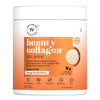 Beauty Korean Marine Collagen Peptides Mango Peach Flavour
₹1,939 – ₹7,196
Beauty Korean Marine Collagen Peptides Mango Peach Flavour
₹1,939 – ₹7,196
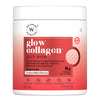 Glow Korean Marine Collagen Peptides with Liposomal Glutathione & Vitamin C | Tropical Bliss Flavour | 250g
₹1,939 – ₹7,196
Glow Korean Marine Collagen Peptides with Liposomal Glutathione & Vitamin C | Tropical Bliss Flavour | 250g
₹1,939 – ₹7,196
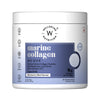 Korean Marine Collagen - Blueberry Mint
₹1,018 – ₹1,993
Korean Marine Collagen - Blueberry Mint
₹1,018 – ₹1,993
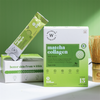 Matcha Collagen
₹1,614
Matcha Collagen
₹1,614
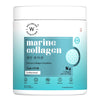 Pure Korean Marine Collagen Peptides | Unflavored | Combat Signs of Ageing
₹1,745 – ₹6,476
Pure Korean Marine Collagen Peptides | Unflavored | Combat Signs of Ageing
₹1,745 – ₹6,476
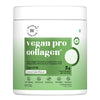 Vegan Pro Collagen Lemon Lime
₹1,745 – ₹3,418
Vegan Pro Collagen Lemon Lime
₹1,745 – ₹3,418
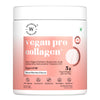 Vegan Pro Collagen Mixed Berries
₹1,745 – ₹3,418
Vegan Pro Collagen Mixed Berries
₹1,745 – ₹3,418