You apply your serums and sunscreens religiously, but what about the skin’s structure beneath the surface?
Here’s where the great collagen confusion begins.
Some swear by taking collagen supplements with their morning coffee. Others believe it works best before bed when your body is in repair mode.
But what does the science actually say?
Let’s break down how collagen works in your body and whether timing truly makes a difference to your skin, hair, and overall results.
The Science of Collagen: What It Really Does

Collagen isn’t just another wellness trend. It’s the most abundant protein in your body making up nearly 75% of your skin, while also forming the connective framework for your hair, nails, and joints.
As you age, collagen production naturally declines by about 1% per year, starting in your mid-20s (NIH). Add UV exposure, stress, and poor diet, and this decline accelerates, leading to loss of firmness, wrinkles, and dullness.
Here’s what’s happening beneath the surface:
Collagen peptides deliver amino acids like glycine, proline, and hydroxyproline that reach your bloodstream and reactivate fibroblast cells, the architects of your dermis. Once reawakened, they increase hydration, firmness, and barrier strength.
Clinical research confirms:
-
12% increase in skin moisture in 8 weeks(NIH)
-
17.8% reduction in collagen fragmentation in 4 weeks (NIH)
-
20% improvement in elasticity in 6 weeks (NIH)
-
35% reduction in wrinkle score in 12 weeks (NIH)
When you take collagen supplements, you’re not adding it directly, you’re signaling your skin to produce more of its own.
Morning vs Night: What Science Says About Collagen Timing
☀️ Morning: The Daytime Defense
Taking collagen in the morning fits seamlessly into wellness routines, stirred into coffee, matcha, or smoothies. Beyond convenience, mornings are when cortisol peaks, and cortisol accelerates collagen breakdown.
Supplementing early helps counteract this effect by supplying amino acids your body needs to rebuild. Morning collagen also pairs beautifully with Vitamin C, a co-factor that stabilizes new collagen fibers and protects against UV-induced damage.
Clinical studies show that the combination of collagen and Vitamin C improves skin elasticity by 20.6% in 6 weeks (NIH).
In short: taking collagen supplements for skin in the morning helps fortify your skin’s defense before facing daily stressors like sunlight and pollution.
🌙 Night: The Repair Window
If mornings are about protection, nights are for reconstruction. During deep sleep, your body releases growth hormone, the very signal that triggers tissue repair and collagen synthesis.
Taking collagen at night can synchronize with this natural repair cycle, supplying your body with the amino acids it needs during peak regeneration hours.
Studies show collagen peptides stay active in circulation for hours post-intake, resulting in a 24% reduction in wrinkles, meaning your nighttime dose continues working while you sleep (NIH).
Bedtime collagen becomes even more effective when paired with hyaluronic acid or Vitamin C, which help stabilize new collagen fibrils.
So, When Should You Take Collagen?
Here’s the honest answer: Consistency matters more than clock time.
Collagen peptides work cumulatively, not in bursts, so what truly counts is showing up daily. That said, you can tailor timing to your goals:
-
For UV protection and antioxidant defense, the morning is the best time to take collagen, as it helps counteract cortisol-induced collagen loss and works synergistically with Vitamin C.
-
For skin repair and regeneration, nighttime is ideal, aligning with the body’s natural peaks in growth hormone and melatonin that drive tissue renewal.
Maximizing Collagen Absorption: Pro Tips

If you want your collagen supplement to perform like clinical studies show, how you take it matters.
✅ Collagen-Rich Foods:
Add bone broth, egg whites, citrus fruits, berries, leafy greens, and nuts to your diet to naturally fuel collagen synthesis.
✅ Pair it with Vitamin C:
Vitamin C is a co-enzyme in collagen synthesis, without it, amino acids can’t form stable triple helices.
✅ Avoid Caffeine Right After:
Caffeine in high amounts may temporarily interfere with amino acid absorption. Wait 30–60 minutes before your coffee if possible.
✅ Hydrate Consistently:
Collagen attracts water molecules via glycosaminoglycans, so hydration multiplies its visible results.
✅ Take It Daily, Not Occasionally:
Visible changes from collagen supplements for skin appear after 8–12 weeks of consistent use, not sporadic doses.
✅ Add Supporting Nutrients:
Ingredients like zinc, and hyaluronic acid enhance collagen cross-linking and dermal hydration, amplifying elasticity and firmness beyond what peptides alone can achieve.
Collagen Sources & Forms: Which One Works Best?
Collagen’s benefits depend greatly on its source and molecular weight, both determine how efficiently it’s absorbed and utilized by your body. Choosing the right form can significantly influence how quickly your skin, hair, and joints respond to supplementation.
Marine Collagen Powder
Sourced from fish skin and scales, it’s naturally rich in Type I collagen, the same type found abundantly in human skin, tendons, and bones. Because of its smaller peptide size (~2000 Da), marine collagen offers superior digestibility and rapid uptake, making it ideal for visible results in skin firmness and hydration within weeks.
Studies show 2.3× higher hydroxyproline-glycine levels than porcine collagen, meaning more peptides reach your bloodstream where they can trigger fibroblast activation (NIH).
Hydrolyzed Collagen Peptides
Broken down into short, bioactive chains for enhanced digestibility and cellular signaling. These peptides circulate through the bloodstream, acting as “messenger molecules” that prompt fibroblasts to produce new collagen, elastin, and hyaluronic acid. Ideal for those seeking all-around benefits, from smoother skin texture to stronger hair, nails, and joints.
Clinical trials have shown a 24% increase in skin hydration and a 62% reduction in skin roughness within 12 weeks of consistent supplementation (NIH).
Vegan Collagen Builders
Vegan collagen doesn’t provide collagen directly; it trains your body to build its own. Powered by plant-derived amino acids, Vitamin C, silica, and antioxidants, these blends activate fibroblasts, the cells responsible for collagen synthesis.
Bamboo extract (rich in silica) strengthens collagen cross-linking, while acerola cherry and grape seed polyphenols stabilize the collagen matrix. Astaxanthin and resveratrol shield fibroblasts from oxidative stress, slowing collagen breakdown.
Clinical studies have shown 51% reduction in fine lines & wrinkles in 4 weeks (NIH).
The Final Takeaway: It’s Not About the Hour, It’s About the Goal
When you take collagen can amplify its results, if you match it to your body’s rhythm.
☀️ Morning: Best for UV protection and antioxidant defense.
🌙 Night: Ideal for skin repair and regeneration.
Morning or night, the real power of collagen lies in alignment, choosing the form that matches your skin and lifestyle goals. The visible benefits, smoother texture, better hydration, firmer tone come from consistency over 8–12 weeks, not timing.
FAQ
1. When is the best time to take collagen, morning or night?
The best time to take collagen supplements depends on your goal.
-
Take collagen in the morning for UV protection and antioxidant support (pairs well with Vitamin C).
-
Take collagen at night to align with your body’s natural repair and regeneration cycle.
Consistency matters more than timing, daily use for 8–12 weeks delivers visible results.
2. Should I take collagen on an empty stomach or with food?
Collagen can be taken with or without food, but studies suggest absorption improves when consumed on an empty stomach or with Vitamin C-rich foods.
Try mixing marine collagen powder or vegan collagen into your morning smoothie or post-workout drink for best results.
3. How long does it take to see results from collagen supplements?
Clinical research shows visible improvements in as little as 4 weeks, with optimal results at 8–12 weeks of daily use.
Expect improved hydration, firmness, elasticity, and reduced wrinkles, key collagen benefits for skin and hair.
4. Which form of collagen is most effective: marine, bovine, or vegan?
Marine collagen powder absorbs up to 2.3× faster due to its smaller peptide size, making it ideal for skin hydration and firmness.
Hydrolyzed collagen peptides support full-body benefits including hair, nails, and joints.
Vegan collagen doesn’t contain collagen directly but helps your body synthesize it naturally using amino acids, Vitamin C, and silica.
5. Can I take collagen with coffee or other supplements?
Yes, collagen powder mixes easily with coffee, tea, or smoothies.
Just avoid drinking high-caffeine beverages immediately after, as caffeine may slightly reduce amino-acid absorption.
For better synthesis, pair collagen with Vitamin C, zinc, or hyaluronic acid.
6. Are collagen supplements safe for daily use?
Yes, collagen supplements are generally recognized as safe when taken within recommended doses (2.5–10 g per day).
Choose high-quality, clinically tested sources such as marine collagen or vegan collagen builders for optimal bioavailability and purity.
7. What foods are naturally rich in collagen or boost its production?
Collagen-rich foods include bone broth, egg whites, chicken skin, and fish.
To boost your body’s natural production, add Vitamin C-rich fruits, leafy greens, berries, and nuts, they support amino-acid conversion and collagen stabilization in the skin.

Recommended Products
 Beauty Collagen Strawberry Watermelon Flavour
₹1,939 – ₹7,196
Beauty Collagen Strawberry Watermelon Flavour
₹1,939 – ₹7,196
 Beauty Korean Marine Collagen Peptides Mango Peach Flavour
₹1,939 – ₹7,196
Beauty Korean Marine Collagen Peptides Mango Peach Flavour
₹1,939 – ₹7,196
 Glow Korean Marine Collagen Peptides with Liposomal Glutathione & Vitamin C | Tropical Bliss Flavour | 250g
₹1,939 – ₹7,196
Glow Korean Marine Collagen Peptides with Liposomal Glutathione & Vitamin C | Tropical Bliss Flavour | 250g
₹1,939 – ₹7,196
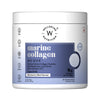 Korean Marine Collagen - Blueberry Mint
₹1,018 – ₹1,993
Korean Marine Collagen - Blueberry Mint
₹1,018 – ₹1,993
 Matcha Collagen
₹1,614
Matcha Collagen
₹1,614
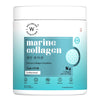 Pure Korean Marine Collagen Peptides | Unflavored | Combat Signs of Ageing
₹1,745 – ₹6,476
Pure Korean Marine Collagen Peptides | Unflavored | Combat Signs of Ageing
₹1,745 – ₹6,476
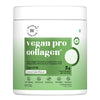 Vegan Pro Collagen Lemon Lime
₹1,745 – ₹3,418
Vegan Pro Collagen Lemon Lime
₹1,745 – ₹3,418
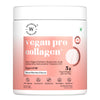 Vegan Pro Collagen Mixed Berries
₹1,745 – ₹3,418
Vegan Pro Collagen Mixed Berries
₹1,745 – ₹3,418