7 Essential Prebiotics to Calm Gut Inflammation
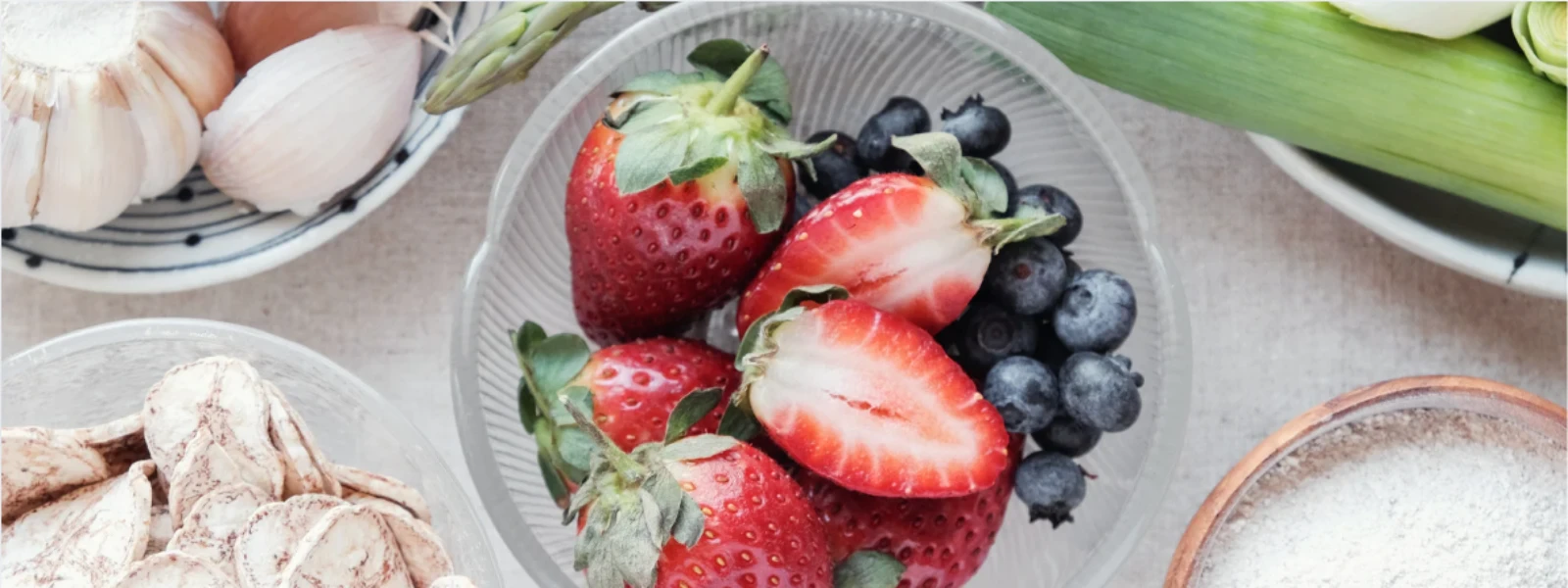


Your gut health directly impacts your overall well-being, yet millions struggle with chronic gut inflammation that disrupts daily life. Recent research reveals that prebiotics help reduce gut inflammation by nourishing beneficial bacteria and strengthening your intestinal barrier. This comprehensive guide explores seven scientifically-backed prebiotics that can transform your digestive health naturally.
Understanding which prebiotics work best for inflammation relief empowers you to make informed choices about your gut health journey. You'll discover how these powerful compounds support your microbiome, reduce inflammatory markers, and create lasting digestive wellness.
Prebiotics are specialized plant fibers that feed beneficial bacteria in your gut. Unlike probiotics, which are live bacteria, prebiotics serve as fuel for the good microorganisms already living in your digestive system. When these beneficial bacteria consume prebiotics, they produce short-chain fatty acids like butyrate, which have powerful anti-inflammatory properties.
Your gut microbiome contains trillions of microorganisms that influence everything from digestion to immune function. Prebiotics for gut health work by selectively feeding beneficial bacteria while starving harmful pathogens. This process helps restore microbial balance and reduces inflammatory responses throughout your body.
Gut inflammation occurs when your intestinal lining becomes irritated and damaged. Common triggers include processed foods, stress, medications, and harmful bacteria overgrowth. This inflammation can lead to increased intestinal permeability, often called leaky gut syndrome, where toxins and undigested food particles enter your bloodstream.
The gut microbiome and inflammation share a complex relationship. When harmful bacteria outnumber beneficial ones, they produce inflammatory compounds that damage your intestinal wall. This creates a cycle where inflammation feeds more inflammation, leading to chronic digestive issues and systemic health problems.
Multiple clinical studies demonstrate that prebiotics significantly reduce inflammatory markers in the gut. A 2019 study published in the American Journal of Clinical Nutrition found that participants consuming prebiotic supplements showed decreased levels of inflammatory cytokines within four weeks.
Research shows that prebiotic fibers work through several anti-inflammatory mechanisms. They increase beneficial bacteria populations, strengthen the intestinal barrier, and promote the production of anti-inflammatory compounds. Most people notice initial improvements in digestive comfort within two to four weeks of consistent prebiotic intake.
Inulin stands as one of the most researched prebiotics for gut inflammation relief. This soluble fiber comes from Jerusalem artichokes, chicory root, garlic, and onions. Studies show that inulin increases beneficial Bifidobacterium populations by up to 300% within just two weeks.
The anti-inflammatory properties of inulin work by promoting butyrate production. Butyrate serves as the primary fuel for your intestinal cells and helps maintain a healthy gut barrier. Research indicates that consuming 5-10 grams of inulin daily can significantly reduce inflammatory markers while improving digestive comfort.
FOS offers a gentler approach to prebiotic supplementation, making it ideal for people with sensitive digestive systems. Natural sources include onions, bananas, asparagus, and garlic. Unlike some prebiotics that can cause initial digestive upset, FOS typically produces minimal side effects.
Clinical trials demonstrate that FOS effectively reduces inflammatory cytokines while supporting beneficial bacteria growth. This prebiotic particularly excels at feeding Lactobacillus species, which produce lactic acid that creates an inhospitable environment for harmful bacteria.
GOS naturally occurs in legumes and can be found in supplement form. This prebiotic shows remarkable ability to modulate immune system responses in the gut. Research published in the Journal of Nutritional Biochemistry found that GOS supplementation reduced inflammatory bowel disease symptoms by 40% over eight weeks.
The immune-modulating effects of GOS work by promoting regulatory T-cell production. These cells help control inflammatory responses and prevent autoimmune reactions in the gut. GOS also strengthens the intestinal barrier by increasing tight junction proteins between intestinal cells.
Resistant starch acts as a powerful prebiotic that resists digestion in the small intestine, reaching the colon intact. Green bananas, cooked and cooled potatoes, and certain grains provide natural sources. This unique fiber produces more butyrate than most other prebiotics.
The anti-inflammatory foods for gut category prominently features resistant starch due to its exceptional healing properties. Butyrate production from resistant starch helps repair damaged intestinal cells and reduces inflammatory gene expression. Studies show that 15-20 grams daily can significantly improve gut barrier function.
Did You Know?
Resistant starch produces up to three times more butyrate than other prebiotic fibers. This short-chain fatty acid serves as the primary fuel for your colon cells and has been shown to reduce inflammatory markers by up to 50% in clinical studies.
Apple pectin and citrus pectin offer unique benefits for leaky gut syndrome repair. This soluble fiber forms a gel-like substance that helps seal gaps in the intestinal wall. Research shows that pectin supplementation can reduce intestinal permeability by 30% within six weeks.
Pectin works by promoting the growth of beneficial bacteria that produce mucus-protective compounds. This mucus layer serves as the first line of defense against harmful substances and pathogens. Clinical evidence suggests that 5-15 grams of pectin daily provides optimal gut barrier support.
Beta-glucan from oats and medicinal mushrooms offers dual benefits as both a prebiotic and immune modulator. This fiber helps balance immune responses in the gut, preventing both under-activity and overactivity that can lead to inflammation.
Studies demonstrate that beta-glucan reduces inflammatory markers while supporting beneficial bacteria growth. The immune-balancing effects help prevent autoimmune reactions in the gut while maintaining strong defenses against harmful pathogens. Regular consumption of 3-6 grams daily shows significant anti-inflammatory benefits.
Arabinogalactan from larch trees provides exceptional tolerance for individuals with sensitive digestive systems. This prebiotic offers both anti-inflammatory and immune-supporting properties without causing digestive upset in most people.
Research shows that arabinogalactan increases beneficial bacteria populations while reducing inflammatory cytokines. Its gentle nature makes it an excellent choice for people beginning their gut healing journey or those with compromised digestive function.
A successful gut health diet includes 25-35 grams of prebiotic fiber daily from diverse sources. Start with 5-10 grams daily and gradually increase to prevent digestive discomfort. Spread your prebiotic intake throughout the day for optimal bacterial feeding and inflammation reduction.
Meal timing plays a crucial role in prebiotic effectiveness. Consuming prebiotics with meals slows their transit through your digestive system, allowing more time for beneficial bacteria to utilize them. Include prebiotic-rich foods at each meal for consistent bacterial nourishment.
Whole food sources provide prebiotics along with additional nutrients and compounds that support gut health. However, gut health supplements offer concentrated doses and specific prebiotic types that may be difficult to obtain from food alone.
Quality considerations for supplements include third-party testing, proper storage, and bioavailable forms. Combining whole food sources with targeted supplementation often provides the most comprehensive approach to reduce gut inflammation naturally.
Starting with too much prebiotic fiber too quickly can cause bloating, gas, and digestive discomfort. Begin with small amounts and increase gradually over 2-4 weeks. Individual tolerance varies significantly, so pay attention to your body's responses.
Adequate water intake becomes crucial when increasing fiber consumption. Aim for at least 8-10 glasses of water daily to help prebiotics move through your digestive system smoothly and prevent constipation.
Creating an optimal environment for beneficial bacteria involves more than just prebiotic consumption. Stress management, adequate sleep, and regular exercise all contribute to a healthy gut microbiome. Chronic stress can disrupt bacterial balance and increase inflammation.
Diversity in prebiotic sources feeds different bacterial species, promoting a more robust and resilient microbiome. Rotate between various prebiotic foods and supplements to ensure comprehensive bacterial nourishment and maximum anti-inflammatory benefits.
While adding prebiotics helps reduce inflammation, removing inflammatory triggers accelerates healing. Processed foods, excessive sugar, and artificial additives can counteract prebiotic benefits. Focus on whole, unprocessed foods alongside your prebiotic protocol.
Lifestyle factors significantly impact gut inflammation. Poor sleep quality, chronic stress, and sedentary behavior all promote inflammatory responses. Address these factors alongside prebiotic supplementation for optimal results.
Signs of improved gut health include reduced bloating, more regular bowel movements, increased energy, and better mood stability. These improvements typically begin within 2-4 weeks of consistent prebiotic intake and continue to develop over months.
Tracking symptoms in a journal helps identify which prebiotics work best for your individual needs. Note changes in digestive comfort, energy levels, and overall well-being to optimize your approach over time.
Prebiotics strengthen the intestinal barrier by promoting beneficial bacteria that produce protective compounds. These bacteria create a mucus layer that shields intestinal cells from harmful substances and reduces permeability.
Specific protocols for leaky gut repair typically involve starting with gentler prebiotics like FOS or arabinogalactan before progressing to more potent options. The healing timeline varies but most people notice improvements in intestinal barrier function within 4-8 weeks.
Individuals with inflammatory bowel disease or irritable bowel syndrome may need modified approaches to prebiotic supplementation. Start with very small amounts and choose gentler options to avoid triggering symptoms while still supporting beneficial bacteria.
Autoimmune conditions often involve gut dysfunction, making prebiotics particularly beneficial. However, work with healthcare providers to ensure prebiotics complement other treatments and don't interfere with medications.
Common initial side effects include mild bloating, gas, and changes in bowel movements. These typically resolve within 1-2 weeks as your microbiome adapts. Severe or persistent symptoms may indicate the need to reduce dosage or try different prebiotic types.
Certain medications, particularly antibiotics, can affect how prebiotics work in your system. Timing prebiotic consumption away from antibiotic doses helps preserve beneficial bacteria populations during treatment.
Most people notice initial improvements in digestive comfort within 2-4 weeks of consistent prebiotic intake. Significant reductions in inflammatory markers typically occur within 6-8 weeks. Individual response times vary based on starting gut health, prebiotic types used, and lifestyle factors.
Yes, excessive prebiotic intake can cause digestive upset including bloating, gas, and diarrhea. Most people tolerate 25-35 grams of prebiotic fiber daily, but individual limits vary. Start with small amounts and increase gradually to find your optimal dose.
Prebiotics and probiotics work through different mechanisms and often complement each other. Prebiotics feed existing beneficial bacteria while probiotics introduce new strains. Research suggests combining both approaches provides superior anti-inflammatory benefits compared to using either alone.
Natural food sources provide prebiotics along with additional beneficial compounds and nutrients. However, supplements offer concentrated doses and specific prebiotic types that may be difficult to obtain from food alone. A combination approach often works best for comprehensive gut health support.
Prebiotics are generally safe for all ages, but dosing requirements differ. Children typically need smaller amounts while elderly individuals may benefit from gentler prebiotic types. Always consult healthcare providers before starting prebiotic supplementation, especially for vulnerable populations.
These seven essential prebiotics offer science-backed solutions for reducing gut inflammation naturally. From inulin's powerful bacterial feeding properties to resistant starch's exceptional butyrate production, each prebiotic provides unique benefits for digestive healing. Starting with gentler options like FOS or arabinogalactan allows your microbiome to adapt gradually while still providing anti-inflammatory benefits. Remember that consistency matters more than perfection – incorporating even small amounts of these prebiotics daily can create meaningful improvements in gut health over time. Consider exploring comprehensive approaches to digestive wellness that combine these natural solutions with lifestyle modifications for optimal results.




Someone sent you
Powered by ReferRush


