7 Essential Purity Tests for Authentic Shilajit
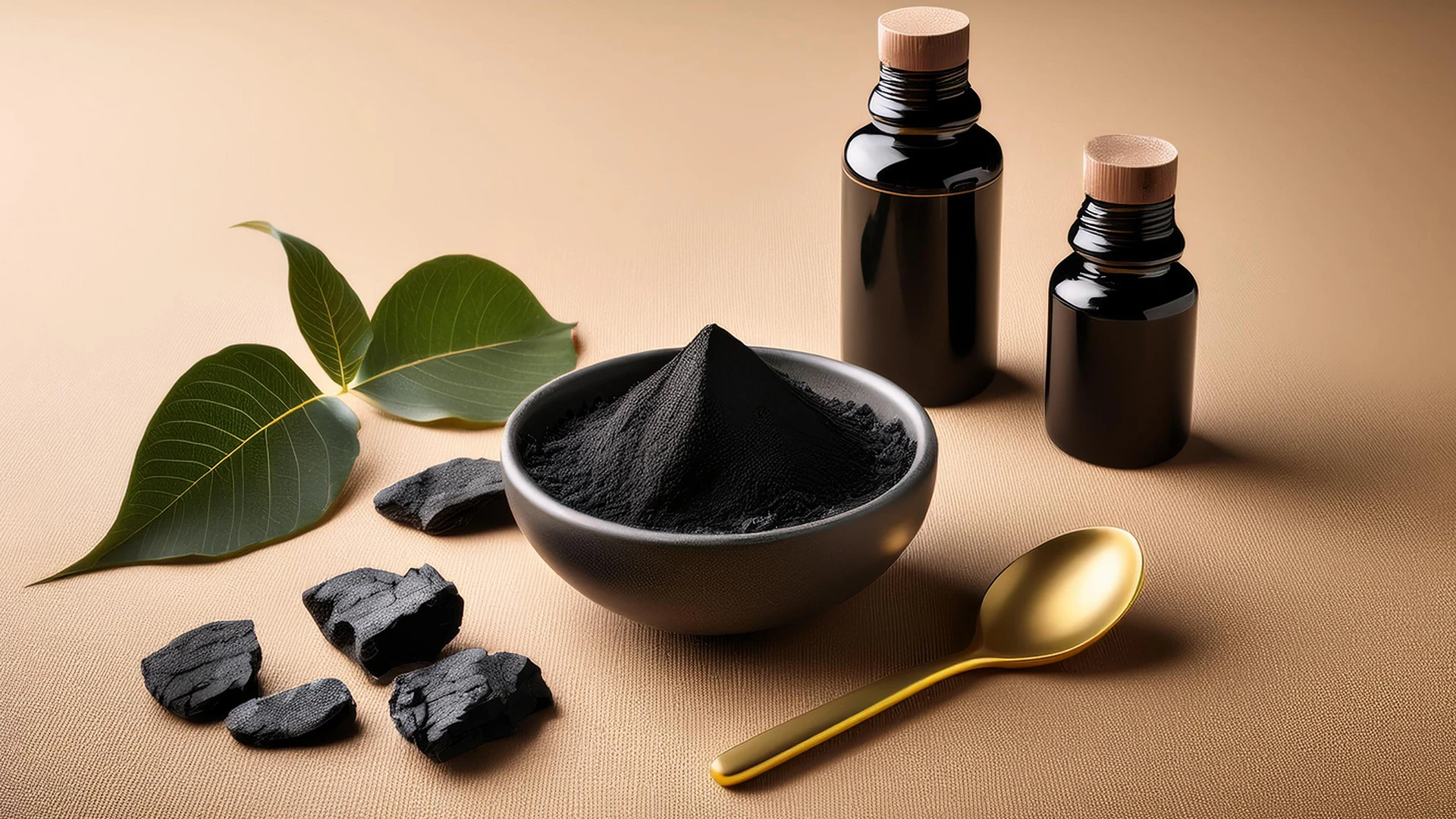


The ancient resin known as shilajit has captured modern attention for its potential health benefits, particularly for gut health and detoxification. However, with growing popularity comes the challenge of distinguishing authentic, pure shilajit from inferior products flooding the market. Understanding proper purity testing methods becomes essential for anyone seeking the genuine therapeutic benefits this Himalayan treasure offers.
This comprehensive guide explores seven critical purity tests that help verify authentic shilajit quality. You'll learn about laboratory testing methods, visual authentication techniques, and safety standards that protect your health while maximizing potential benefits for gut wellness and natural detoxification processes.
Shilajit purity directly impacts its therapeutic potential and safety profile. Pure, authentic shilajit contains beneficial compounds like fulvic acid, humic acid, and essential minerals that support gut health and natural detoxification pathways. However, contaminated or adulterated products can pose serious health risks.
Common contaminants in low-quality shilajit include heavy metals like lead, mercury, and arsenic, which accumulate in the body over time. Microbial contamination from improper processing can introduce harmful bacteria and fungi. Some manufacturers add synthetic fillers, artificial colors, or chemical preservatives that diminish therapeutic value.
The health risks of consuming impure shilajit extend beyond reduced benefits. Heavy metal toxicity can damage organs, while microbial contamination may cause digestive upset or infections. These risks underscore why rigorous purity testing remains non-negotiable for authentic shilajit products.
Currently, regulatory oversight for shilajit varies globally. While some regions have established quality standards, others lack comprehensive guidelines. This regulatory gap makes consumer education about testing methods even more crucial for making informed choices.
Authentic shilajit composition reflects its unique geological formation process. Pure shilajit contains 60-80% organic matter, including fulvic acid (15-20%), humic acid (5-10%), and over 84 essential minerals in ionic form. This complex composition gives shilajit its distinctive properties and therapeutic potential.
Geographical origin significantly influences shilajit quality. High-altitude regions like the Himalayas, Altai Mountains, and Caucasus produce superior quality due to specific geological conditions and mineral-rich environments. The altitude, climate, and rock composition all contribute to the final product's purity and potency.
Processing methods critically affect shilajit purity. Traditional purification involves dissolving raw shilajit in water, filtering out impurities, and concentrating the solution through gentle heating. Modern processing may use additional filtration and standardization techniques while preserving bioactive compounds.
Visual characteristics of pure shilajit include a dark brown to black color, glossy appearance when warm, and brittle texture when cool. It should have an earthy, slightly bitter smell without any chemical or artificial odors. These physical markers provide initial quality indicators before formal testing.
Heavy metal testing represents the most critical safety assessment for shilajit purity. Lead, mercury, cadmium, and arsenic are primary concerns due to their toxicity and potential accumulation in body tissues. Advanced analytical methods like Inductively Coupled Plasma Mass Spectrometry (ICP-MS) detect these contaminants at parts-per-million levels.
Safe concentration limits vary by regulatory authority, but generally, lead should not exceed 10 ppm, mercury 1 ppm, cadmium 3 ppm, and arsenic 10 ppm in dietary supplements. These limits protect consumers from chronic exposure risks while allowing for naturally occurring trace amounts.
Heavy metal testing becomes crucial because shilajit's geological origin exposes it to environmental contamination. Mining areas, industrial pollution, and natural mineral deposits can introduce these toxic elements. Regular testing ensures products meet safety standards for long-term consumption.
Microbial testing screens for harmful bacteria, fungi, and pathogens that could compromise product safety. Standard protocols test for total aerobic bacteria, yeast, mold, E. coli, Salmonella, and Staphylococcus aureus. These organisms can multiply during improper storage or processing, creating health risks.
Acceptable microbial limits typically allow total aerobic bacteria below 10,000 CFU/g, yeast and mold below 1,000 CFU/g, and zero tolerance for pathogenic bacteria like E. coli and Salmonella. These standards ensure product safety for oral consumption.
Sterility requirements become particularly important for shilajit because its organic nature provides nutrients that support microbial growth. Proper processing, packaging, and storage prevent contamination while preserving beneficial compounds.
Chemical adulterant testing identifies synthetic additives, artificial enhancers, and processing residues that shouldn't appear in pure shilajit. Common adulterants include synthetic fulvic acid, artificial colors, preservatives, and binding agents used to mimic authentic shilajit properties.
Pesticide and herbicide residue testing becomes relevant for shilajit harvested from areas with agricultural activity. These chemicals can persist in the environment and contaminate natural deposits. Comprehensive screening ensures products remain free from agricultural contaminants.
Solvent contamination analysis checks for residual chemicals used during extraction or purification processes. Organic solvents, if not properly removed, can leave harmful residues that compromise product safety and purity.
Authentic shilajit demonstrates specific solubility characteristics that help verify its genuineness. Pure shilajit dissolves completely in warm water, creating a golden-brown to dark brown solution without leaving significant residue. The dissolution process should be smooth and complete within 15-20 minutes.
Color change indicators during dissolution provide authenticity clues. Genuine shilajit produces consistent coloration throughout the solution, while fake products may show uneven color distribution or artificial dye bleeding. The solution should maintain clarity without cloudiness or precipitation.
Temperature response testing involves observing how shilajit behaves at different temperatures. Authentic shilajit becomes soft and pliable when warm, returning to a harder consistency when cooled. This temperature sensitivity reflects its natural resin composition.
Authentic shilajit texture varies with temperature but maintains specific characteristics. At room temperature, pure shilajit feels hard and brittle, breaking cleanly when snapped. When warmed between fingers, it becomes soft and moldable without becoming sticky or leaving residue.
Flexibility and malleability indicators help distinguish genuine products from synthetic alternatives. Real shilajit stretches slightly when warm but doesn't form long, elastic strands like synthetic resins. It should maintain structural integrity without crumbling excessively.
Smell and taste authenticity markers include a distinctive earthy, mineral-rich aroma without chemical or artificial scents. The taste should be bitter and slightly metallic, reflecting its mineral content. Sweet, fruity, or chemical flavors indicate adulteration or artificial additives.
Expert Insight
Research published in the Journal of Ethnopharmacology shows that authentic shilajit contains over 84 minerals in ionic form, making it one of nature's most complex mineral supplements. This unique composition explains why proper purity testing requires multiple analytical approaches to verify authenticity.
Fulvic acid content serves as a primary quality indicator for authentic shilajit. High-quality shilajit typically contains 15-20% fulvic acid, though concentrations can vary based on source and processing methods. Spectrophotometric analysis accurately measures fulvic acid levels using standardized protocols.
Testing methods for fulvic acid concentration involve dissolving shilajit samples in alkaline solutions and measuring absorption at specific wavelengths. This analysis distinguishes genuine fulvic acid from synthetic alternatives that may be added to inferior products.
The relationship between fulvic acid and bioavailability explains why this compound remains crucial for shilajit's therapeutic effects. Fulvic acid enhances mineral absorption, supports cellular transport, and contributes to gut health benefits that make shilajit valuable for digestive wellness.
Essential mineral content analysis provides a fingerprint for authentic shilajit quality. Genuine products contain balanced ratios of calcium, magnesium, potassium, iron, zinc, and trace elements that reflect their geological origin. Atomic absorption spectroscopy or ICP-MS analysis quantifies these minerals accurately.
Trace element verification includes testing for selenium, chromium, vanadium, and other micronutrients naturally present in high-quality shilajit. These elements contribute to the supplement's nutritional value and help distinguish authentic products from synthetic alternatives.
Mineral ratios indicating authenticity follow predictable patterns based on geological formation processes. Calcium-to-magnesium ratios, iron content, and trace element profiles should align with known characteristics of genuine shilajit from specific regions.
Simple water dissolution testing provides an accessible method for consumers to evaluate shilajit authenticity at home. Place a small amount of shilajit in warm water and observe the dissolution process. Genuine shilajit should dissolve completely within 15-20 minutes, creating a uniform golden-brown solution.
Visual inspection techniques help identify obvious quality issues. Examine the shilajit for consistent color, texture, and appearance. Look for foreign particles, unusual colors, or artificial-looking characteristics that might indicate adulteration or poor processing.
Smell and texture evaluation methods involve assessing the product's natural characteristics. Authentic shilajit has a distinctive earthy smell and specific texture responses to temperature changes. Chemical odors or unusual textures suggest quality problems.
Temperature flexibility testing involves warming a small piece between your fingers and observing how it responds. Genuine shilajit becomes pliable when warm but returns to hardness when cooled. This behavior reflects its natural resin composition.
However, home testing has significant limitations compared to laboratory analysis. While these methods can identify obvious quality issues, they cannot detect heavy metals, microbial contamination, or sophisticated adulterants. Professional testing remains essential for comprehensive quality verification.
Purity directly affects therapeutic outcomes when using shilajit for gut health and detoxification support. Pure, authentic shilajit provides optimal concentrations of fulvic acid and minerals that support digestive function and natural detoxification pathways. Contaminated products may reduce benefits or introduce harmful substances.
For gut health support, pure shilajit may help maintain healthy gut barrier function and support beneficial bacteria growth. The fulvic acid content acts as a prebiotic, potentially promoting digestive wellness when combined with a balanced diet and healthy lifestyle.
Detoxification mechanisms of pure shilajit involve supporting the body's natural elimination processes. The mineral content and fulvic acid may help bind toxins and support liver function, though individual responses vary based on overall health status and lifestyle factors.
Safety considerations include starting with small amounts to assess individual tolerance and consulting healthcare providers before use, especially for those with existing health conditions. Pure shilajit is generally well-tolerated, but individual responses can vary.
You can perform basic home tests including water dissolution, visual inspection, smell evaluation, and temperature flexibility testing. However, these methods cannot detect heavy metals or microbial contamination, so laboratory testing remains essential for comprehensive purity verification.
Fake shilajit may have artificial colors, chemical odors, poor solubility in water, unusual textures, or lack the characteristic earthy smell. It might also contain visible impurities, fail to respond properly to temperature changes, or leave excessive residue when dissolved.
Yes, many accredited laboratories offer comprehensive shilajit testing services including heavy metal analysis, microbial testing, and chemical composition verification. Look for labs with ISO certification and experience in dietary supplement testing.
Essential heavy metal tests for shilajit include lead, mercury, cadmium, and arsenic. These are the primary toxic metals of concern due to their potential health impacts and common occurrence in geological materials.
Yes, impure shilajit can pose health risks including heavy metal toxicity, microbial infections, and adverse reactions to chemical adulterants. This is why proper purity testing and choosing reputable sources remains crucial for safe consumption.
Understanding and implementing proper purity testing for shilajit ensures you receive authentic, safe, and potentially beneficial products. The seven essential tests outlined here provide a comprehensive framework for evaluating shilajit quality, from basic home verification methods to advanced laboratory analysis. Remember that while home testing offers initial quality indicators, professional laboratory testing remains the gold standard for verifying purity and safety. By prioritizing quality verification, you can make informed decisions about shilajit supplementation and potentially support your gut health and natural detoxification goals safely and effectively.


Someone sent you
Powered by ReferRush


